Motorhome Matchmaker: Class A vs Class C
Answer the questions below to find out which motorhome class fits your upcoming adventure best.
Enter details to see analysis.
Enter details to see analysis.
You’re staring at two rental listings for the same week in October. One is a massive, bus-like rig with leather seats and a full kitchen. The other looks like a big van with a bunk bed sticking out over the cab. Both promise freedom, but they feel completely different to drive and live in. This isn’t just about picking a vehicle; it’s about choosing how you want to experience the road. If you’ve ever wondered which is better Class C or Class A motorhome, you’re asking the right question before booking.
The truth? Neither is universally "better." It depends entirely on your tolerance for size, your budget, and what you plan to do once you park. Let’s break down the real differences so you don’t end up stuck in a parking lot in Dublin that’s too small for your wheels.
Understanding the Core Differences
To make a smart choice, you need to know what you’re actually renting. These aren't just marketing terms; they refer to specific chassis designs and construction methods.
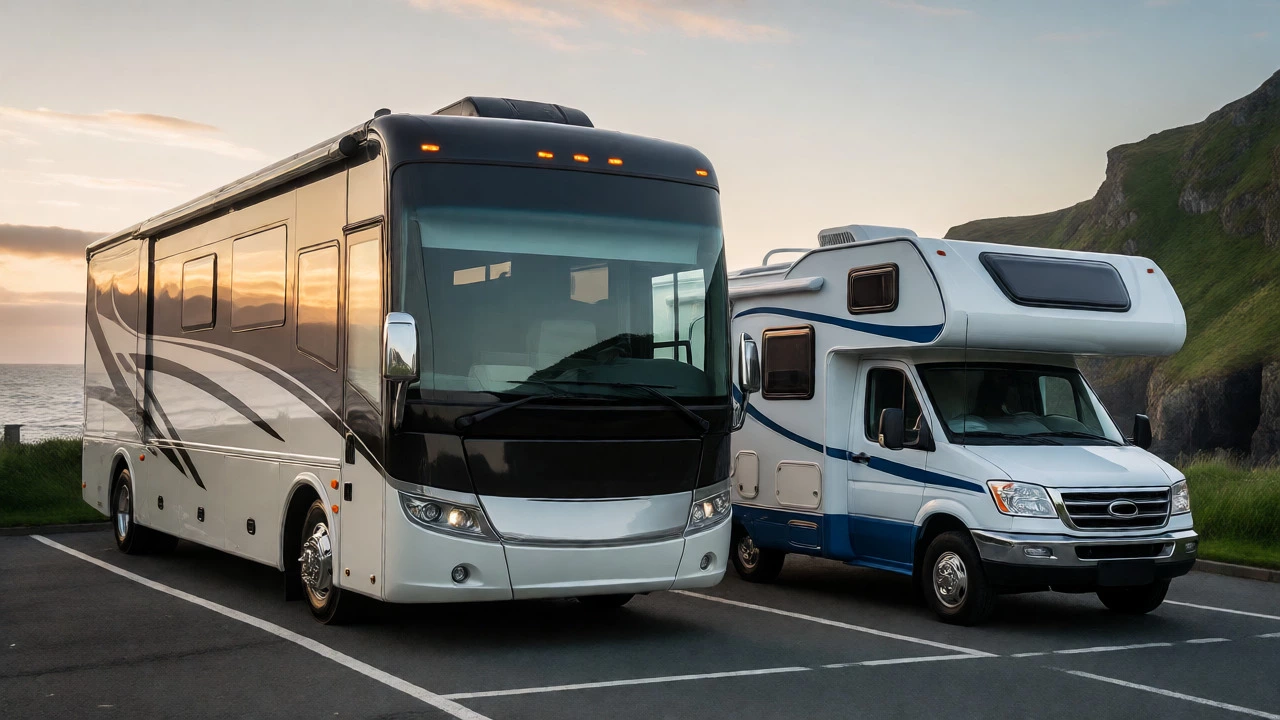
A Class A motorhome is a large recreational vehicle built on a commercial bus or truck chassis. Think of it as a luxury apartment on wheels. They are typically 26 to 45 feet long, feature flat front ends, and offer residential-style amenities. You get separate living areas, king-size beds, and often multiple bathrooms. They are designed for comfort and long-term travel, not necessarily for maneuverability in tight city streets.
In contrast, a Class C motorhome is a mid-sized RV built on a cutaway van chassis. You’ll recognize them by the distinctive "cab-over" bunk area above the driver’s seat. They range from 20 to 31 feet in length. While smaller than Class A units, they still offer more space than a camper van (Class B). They strike a balance between driving ease and living space, making them popular for families and first-time renters.
Driving Experience and Maneuverability
This is where the rubber meets the road-literally. If you’ve never driven an RV, this factor should weigh heavily on your decision.
Class A: Driving a Class A feels like operating a city bus. You sit high up, with a wide view of the road. However, they have significant blind spots and require frequent mirror checks. Turning radiuses are huge. In cities like Dublin or London, navigating narrow lanes or underground car parks can be a nightmare. Many Class A owners avoid urban centers entirely, preferring open highways and spacious campgrounds. If you enjoy the act of driving a big machine and have plenty of highway miles ahead, you might love it. But if you’re anxious about hitting a low bridge or scraping a wall, the stress will eat into your vacation time.
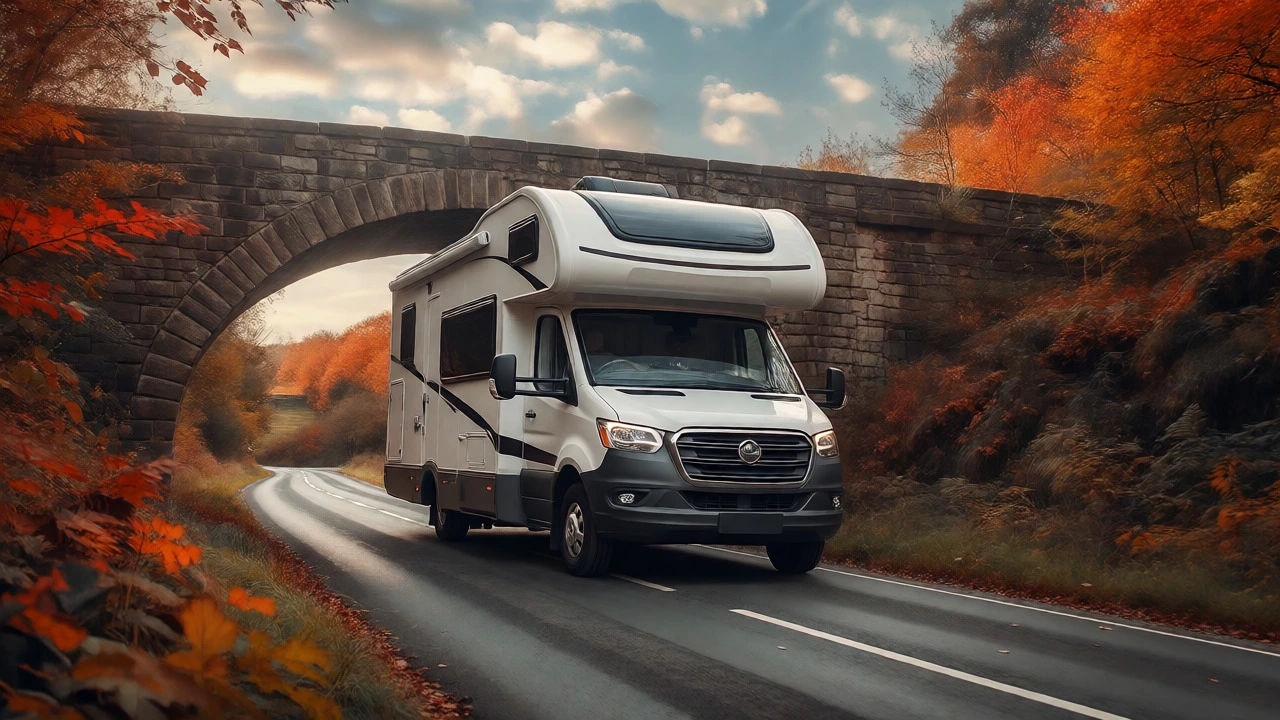
Class C: Most people find Class C motorhomes much easier to handle. Because they use a standard van chassis (like Ford E-Series or Mercedes Sprinter derivatives), the controls feel familiar. Steering is lighter, braking is more responsive, and visibility is generally better. You can pull into most standard parking spaces, though you’ll still need to watch your height clearance due to that overhead bunk. For weekend trips or exploring towns with tighter roads, a Class C is far less intimidating. It’s the "gateway drug" of the RV world for a reason.
Living Space and Comfort Levels
Once you arrive at your destination, how do you want to spend your evenings? Here, Class A usually wins on pure square footage, but Class C has its own charms.
| Feature | Class A Motorhome | Class C Motorhome |
|---|---|---|
| Average Length | 26-45 feet | 20-31 feet |
| Sleeping Capacity | 4-8 people | 4-7 people |
| Kitchen Style | Residential (fridge/freezer split) | Compact (often single door fridge) |
| Bathroom | Frequently dual bathrooms | Usually one wet bath |
| Storage | Massive external compartments | Limited under-floor storage |
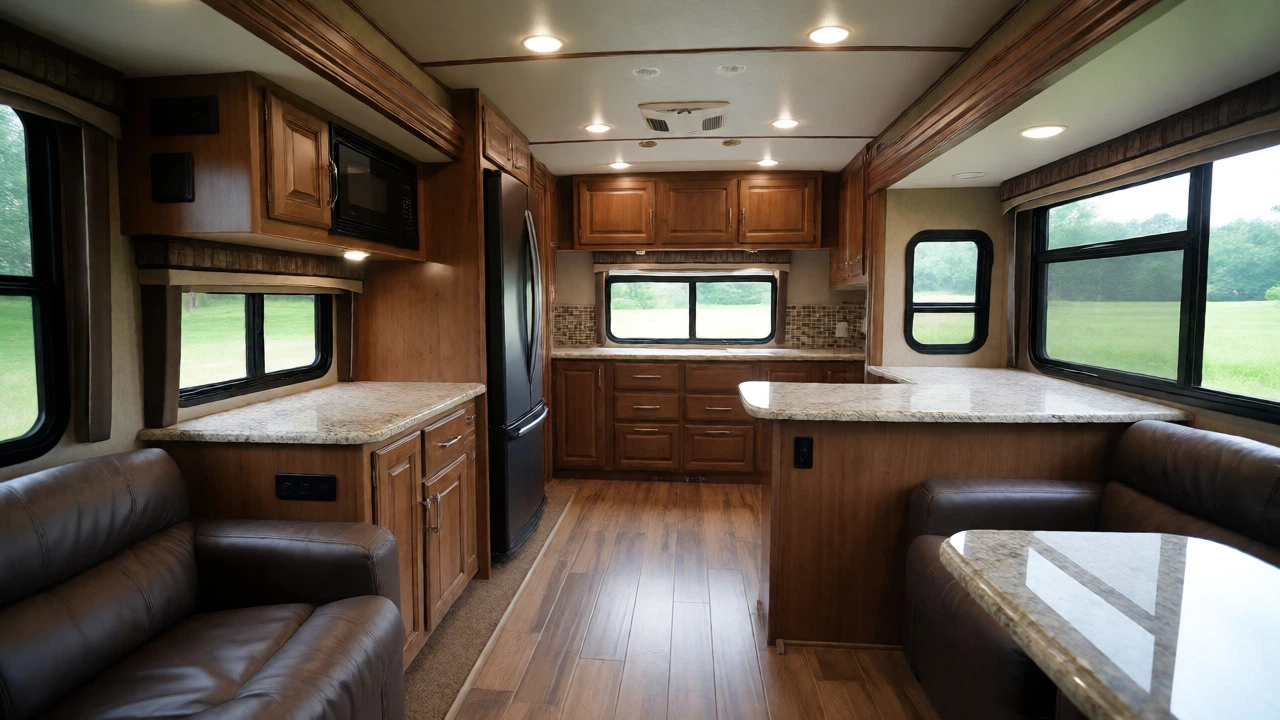
The Class A Advantage: If you’re traveling with a group of four adults, privacy matters. Class A units often allow you to close off the bedroom from the living area. The kitchens are fully equipped with ovens, microwaves, and residential refrigerators. You can cook a full Thanksgiving dinner without feeling cramped. The seating areas are plush, often featuring slide-outs that expand the interior width by several feet when parked. It’s truly a home away from home.
The Class C Reality: Don’t let the smaller size fool you. Modern Class C designs are incredibly efficient. That cab-over bunk provides extra sleeping space without eating into the main living area. However, you will feel closer together. Cooking for six might mean taking turns in the kitchen aisle. Bathrooms are typically "wet baths," meaning the shower floor is also the toilet and sink floor. It’s functional, but not luxurious. For couples or families with young children who spend most days outdoors, this compactness is actually a benefit-it keeps things cozy and easy to clean.
Cost Considerations: Rental and Fuel
Your wallet will notice the difference immediately. Class A motorhomes are expensive to rent and expensive to run. Class C units are more budget-friendly across the board.
Rental rates for a Class A can easily double those of a Class C. During peak season in Ireland or Europe, expect to pay €250-€400+ per day for a Class A, compared to €120-€200 for a well-equipped Class C. But the sticker price is just the start.
Fuel economy is the silent killer of RV budgets. A Class A diesel pusher might get 6-9 miles per gallon (mpg). A Class C gasoline model might get 10-14 mpg. On a 1,000-mile trip, that difference could cost you an extra $100-$200 in fuel alone. Plus, insurance premiums and mileage fees (if you exceed daily limits) are higher for the larger, heavier Class A vehicles. If you’re planning a short, local trip, the Class C saves you money. If you’re doing a cross-country tour where comfort justifies the cost, the Class A might be worth the splurge.
Who Should Choose Which?
Let’s match the vehicle to the traveler profile. Be honest about your skills and needs.
- Choose a Class A if: You are experienced with large vehicles. You prioritize comfort and luxury over maneuverability. You are traveling with more than four people or need separate sleeping zones. You plan to stay in large, open campgrounds with full hookups. You don’t mind paying extra for fuel and rental fees.
- Choose a Class C if: You are new to RVing. You want to explore towns and cities without worrying about getting stuck. You are a family with children who need extra sleeping bunks. You have a moderate budget. You prefer shorter trips or weekends rather than month-long tours.
Consider a scenario: You’re planning a coastal drive along the Wild Atlantic Way. The roads are winding, and some parking spots near beaches are tight. A Class A would be stressful and potentially impossible to park. A Class C fits better, allowing you to stop spontaneously. Now, imagine a winter trip to a heated holiday park in County Wicklow. You’ll spend most evenings inside. The Class A’s superior heating system and spacious lounge make it the clear winner for comfort.
Practical Tips for Renters
Before you sign the contract, check these three things regardless of which class you choose.
- Check Height Restrictions: Both classes are tall. Class Cs often hit 10-11 feet due to the AC unit on the cab-over. Class As can be 12-13 feet. Always measure your route’s lowest bridges and garages. GPS apps for RVs are essential here; regular car GPS will send you into trouble.
- Inspect the Slide-Outs: If renting a Class A with slide-outs, test them thoroughly. Leaking seals are common in older models. Ask the rental company for maintenance records specifically regarding water intrusion.
- Understand the Water System: Class C tanks are smaller. You’ll need to dump waste more frequently. Plan your stops accordingly. Class A tanks are larger, giving you more autonomy, but they take longer to fill and empty.
Ultimately, the "better" motorhome is the one that matches your adventure style. If you crave freedom and flexibility, go Class C. If you crave resort-style living on wheels, go Class A. Just remember: the best views come from places you can actually reach.
Can I drive a Class A motorhome with a standard license?
In most regions, including Ireland and the UK, yes, provided the vehicle weighs under 3,500 kg (or 7,500 kg depending on acquisition date and category rules). However, many Class A motorhomes exceed these weight limits, requiring a C1 or Category C license. Always check the gross vehicle weight rating (GVWR) of the specific rental unit and verify your license privileges before booking.
Which is easier to maintain, Class A or Class C?
Class C motorhomes are generally easier and cheaper to maintain. They share parts with common vans (Ford, Mercedes, Ram), so mechanics can fix them easily. Class A units use specialized commercial chassis components that are more expensive and harder to source. Additionally, Class A roofs and seals are more complex due to their larger surface area, leading to higher potential repair costs.
Is a Class C good for boondocking?
Yes, modern Class C motorhomes are excellent for boondocking (off-grid camping). Their smaller size allows access to remote spots that Class A units cannot reach. Many come equipped with lithium battery upgrades and solar panels as standard. However, their water and waste tanks are smaller, so you must manage resources carefully compared to a Class A with larger holding tanks.
Do Class A motorhomes have better resale value?
Not necessarily. Class C motorhomes tend to hold their value slightly better because they appeal to a wider market of buyers looking for entry-level RVs. Class A units depreciate faster due to their high initial cost and niche buyer pool. If you are buying rather than renting, a Class C is often a safer financial investment.
Which class is better for cold weather camping?
Class A motorhomes generally perform better in extreme cold. They have better insulation, dual-pane windows, and powerful heating systems (often forced air or hydronic). Class C units, being built on van chassis, can suffer from thermal bridging (cold spots) and smaller heat reserves. If you plan to camp in Irish winters or snowy climates, a Class A offers more comfort, provided you have enough power/fuel for heating.