RV Lot Investment ROI Calculator
Setup Costs & Revenue
Investment Verdict
Financial Breakdown
| Total Initial Investment | £0 |
| Gross Annual Revenue | £0 |
| Less: Annual Expenses | -£0 |
| Net Annual Cash Flow | £0 |
| Estimated Nights Booked/Year | 0 |
Enter your estimates above to see if an RV lot makes financial sense compared to other investments.
Picture this: you buy a patch of land, slap down some gravel, and suddenly you’re sitting on a golden goose. That’s the dream sold by every glossy brochure promising 'passive income' from RV lots are designated plots of land within a campground or private property where recreational vehicles can park overnight or long-term. But here in the real world-especially if you’re looking at the UK market-the math rarely works out that simply. Is buying an RV lot actually a good investment, or is it just another way to lose money while pretending to be a landlord?
The short answer is: it depends entirely on what you mean by 'investment.' If you want high cash flow with zero effort, look elsewhere. If you want to build a community, secure your own retirement parking, or slowly grow equity in a niche asset class, it might be worth it. Let’s break down the reality of owning motorhome sites in 2026.
The Allure vs. The Reality of Campsite Ownership
Why do people want to buy RV lots? Usually, it’s one of three reasons: they love camping and want their own permanent spot, they think the rental yield will beat stocks, or they believe land always goes up in value. While land *does* tend to appreciate over time, an RV lot isn’t like buying a house or an apartment block. It’s closer to running a small business than holding a stock certificate.
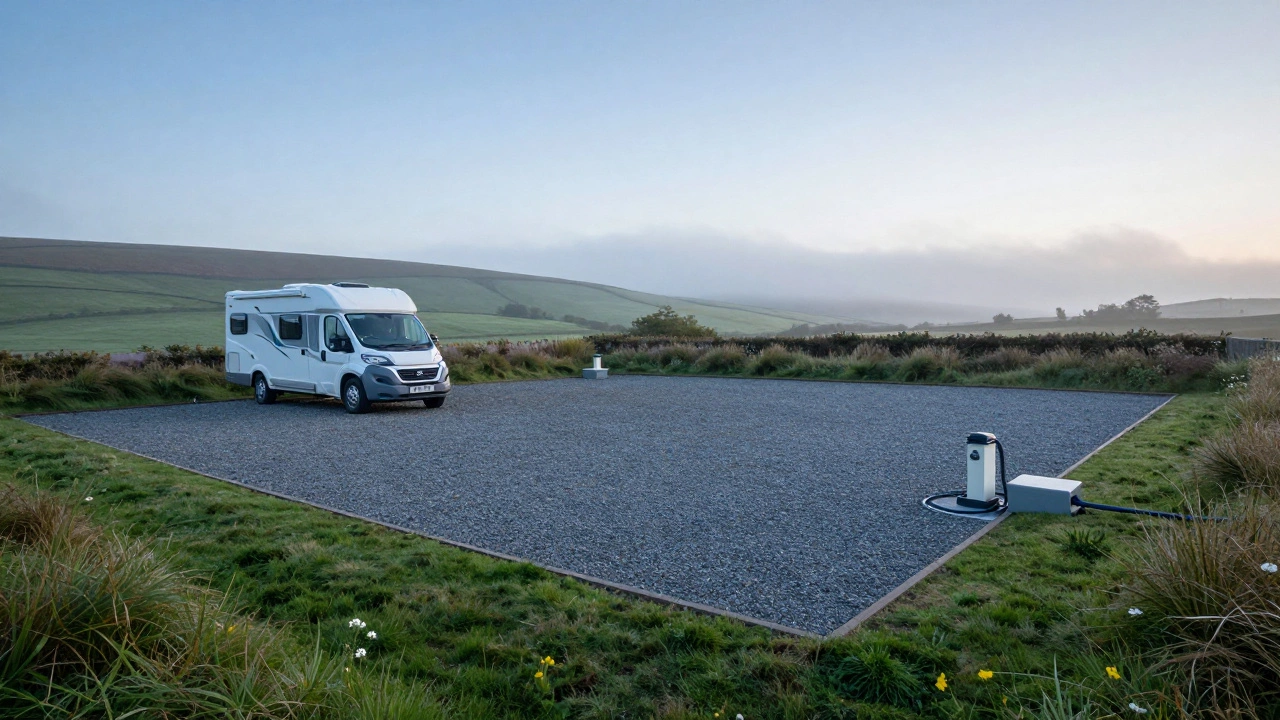
In the UK, the term 'RV lot' often translates to a motorhome pitch is a serviced or un-serviced area within a campsite designed for caravans and motorhomes to park. You aren’t usually buying freehold land outright unless you’re developing a whole site from scratch. More often, you’re buying a leasehold interest or a share in a larger operation. This distinction matters because it dictates your control, your costs, and your exit strategy.
Many buyers underestimate the operational side. An empty plot doesn’t make money. A connected plot with electricity, water, and waste disposal does. But who maintains those hookups? Who clears the leaves in autumn? Who deals with the neighbor whose generator keeps them awake at 3 AM? These aren’t just hypotheticals; they are daily realities for site owners.
Financial Breakdown: What Does It Actually Cost?
Let’s talk numbers. In Ireland and the UK, the cost of acquiring land suitable for motorhome use varies wildly based on location and zoning. A rural plot in County Kerry might cost significantly less than one near Dublin or the Lake District in England, but the demand follows the scenery.
| Cost Item | Low Estimate (£/€) | High Estimate (£/€) | Notes |
|---|---|---|---|
| Land Acquisition (per pitch share) | £5,000 | £25,000+ | Depends heavily on location and existing infrastructure |
| Utilities Installation (Electric/Water) | £1,500 | £5,000 | Trenching, cabling, pedestals |
| Planning Permission Fees | £500 | £3,000 | Can be higher if environmental assessments are needed |
| Insurance & Legal | £800 | £2,500 | Annual recurring cost |
| Maintenance Fund (Year 1) | £500 | £1,500 | Gravel, weed control, repairs |
Now, look at the revenue. A standard nightly rate for a serviced pitch in a popular UK destination ranges from £25 to £45 per night. In peak summer months, you might book out fully. But what about November through March? In many parts of the UK and Ireland, winter occupancy can drop to near zero unless you specialize in 'overwintering' storage, which requires different insurance and facilities.
If you spend £20,000 setting up a pitch and earn £30 a night, you need to fill that pitch 667 nights to break even on the initial setup alone. That’s nearly two years of perfect occupancy. And that doesn’t include land costs, ongoing maintenance, or your time. For most individuals, the ROI (Return on Investment) takes 7-10 years to become attractive compared to simpler investments like index funds.
The Regulatory Maze: Planning and Zoning
This is where most dreams hit a wall. You can’t just put a motorhome on any piece of land and charge rent. In the UK and Ireland, planning permission is king. Using agricultural land for commercial camping often requires a change of use classification.
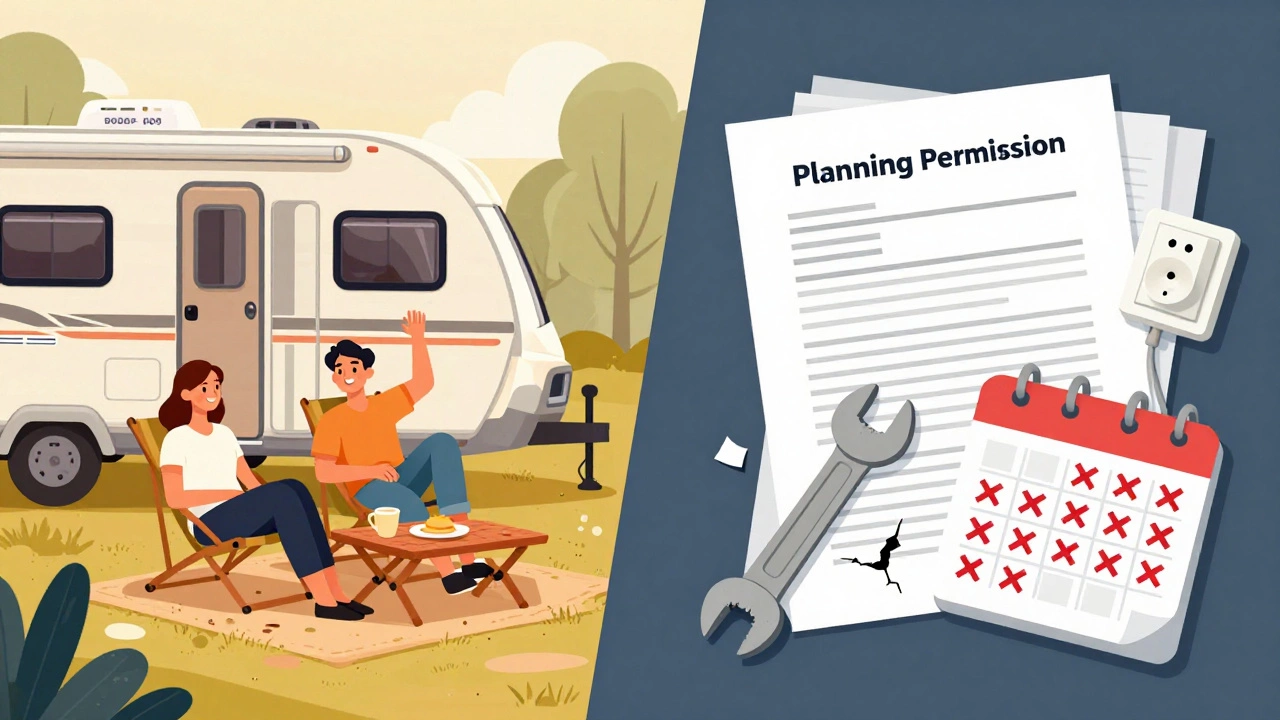
Planning permission is official approval from local authorities required to develop land or change its use. Without it, you risk enforcement notices, fines, and being forced to close down. Local councils are increasingly wary of unregulated camping due to environmental concerns and community complaints. They want controlled, managed sites with proper waste management and traffic plans.
If you’re buying into an existing site, check the tenure carefully. Are you buying a 'license to occupy' or actual leasehold rights? Many 'static caravan parks' and motorhome sites operate on licenses that can be terminated with notice. This makes the asset risky as an investment because you don’t truly own the ground beneath your wheels.
Operational Nightmares: It’s Not Passive Income
People love the phrase 'passive income,' but running an RV site is active work. You are now a hospitality provider, a facility manager, and a customer service rep all rolled into one.
- Guest Management: People arrive late, leave early, or forget to pay. You need a booking system, check-in process, and conflict resolution skills.
- Maintenance: Grass grows. Gravel washes away. Electrical pedestals get damaged by heavy vans. Toilets and showers (if you provide them) need constant cleaning and chemical treatment.
- Seasonality: Your income fluctuates wildly. You’ll be busy June through August, then potentially idle for four months. Can your finances handle that volatility?
- Community Dynamics: Long-term residents and short-term tourists often clash. Managing these relationships requires soft skills and clear house rules.
If you hire a manager, your profit margins shrink further. If you do it yourself, you’re trading your freedom for a job that pays below minimum wage in the off-season.
When Does It Make Sense?
So, is it ever a good idea? Yes, but only under specific conditions. Buying an RV lot or site share makes sense if:
- You Want Personal Use First: If you plan to use the site 50% of the year yourself, the 'investment' aspect becomes secondary. You’re paying for convenience and lifestyle, with rental income offsetting costs. This is the most common successful model.
- You Have Existing Infrastructure: Buying a share in an established, well-managed site with proven bookings is safer than starting from scratch. Look for sites with strong online reviews and consistent occupancy data.
- You’re in a High-Demand Location: Proximity to national parks, coastal attractions, or major tourist routes drives demand. A site in the Scottish Highlands or Cornwall will perform better than one in a remote industrial zone.
- You Understand the Niche: Specializing in eco-tourism, luxury glamping-style pitches, or pet-friendly zones can command higher rates and attract loyal customers.
Alternatives to Consider
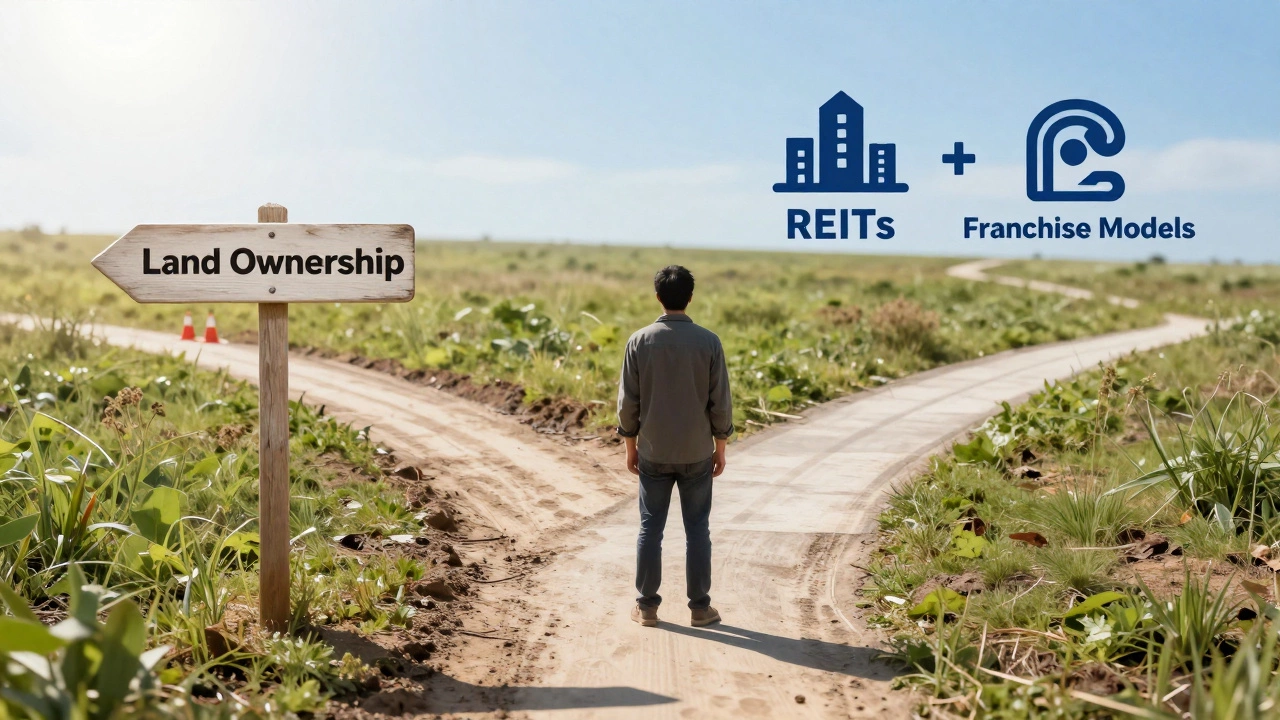
Before signing on the dotted line, consider if there’s a better way to achieve your goal. If you want exposure to the camping industry without the headache of land ownership, look into campsite franchises are business models where you operate a campsite under an established brand name, following their standards and systems. Companies like Center Parcs or smaller regional chains sometimes offer franchise opportunities. This provides brand recognition, marketing support, and operational guidance, though it comes with fees and stricter controls.
Another option is investing in REITs (Real Estate Investment Trusts) that focus on hospitality or leisure properties. This gives you diversification and liquidity without having to fix a broken toilet at midnight. Or, simply buy a high-quality motorhome and rent it out on platforms like Yescapa. The barrier to entry is lower, and you can sell the vehicle if the market turns sour.
Final Verdict: Lifestyle Asset, Not Financial Goldmine
Buying an RV lot is rarely a pure financial play. The margins are thin, the regulations are tight, and the work is real. However, if you view it as a lifestyle asset-a way to secure your favorite camping spot, build a community, and perhaps cover your holiday costs-it can be deeply rewarding.
Do your due diligence. Talk to current site owners. Check the planning permissions. Calculate the worst-case scenario for occupancy. If the numbers still work when you assume 40% vacancy in the winter, then maybe it’s worth a look. Otherwise, keep your money in the bank and enjoy camping as a guest rather than a landlord.
How much does it cost to buy a motorhome pitch in the UK?
The cost varies widely depending on location and amenities. In the UK, buying a leasehold interest in a pitch can range from £5,000 for basic rural sites to over £25,000 for premium coastal locations. Additionally, you must budget for annual site fees, utility connections, and potential planning permission costs if developing new land.
Can I live in my motorhome on an RV lot full-time?
It depends on the site's rules and local planning laws. Many campsites allow long-term stays during certain seasons but prohibit permanent residency. Some specialized sites offer 'permanent' leases, but these are rare and expensive. Always check with the site owner and local council regarding residential permits before attempting to live there year-round.
What are the biggest risks of investing in campsite land?
The primary risks include regulatory changes (planning permission denials), seasonality (low winter income), high maintenance costs, and liability issues if guests get injured. There is also the risk of poor tenant behavior damaging the property. Unlike stocks, land is illiquid, meaning it can take months or years to sell if you need cash quickly.
Is it better to buy land or join an existing campsite?
Joining an existing campsite is generally safer for beginners. You benefit from established infrastructure, customer base, and management systems. Buying raw land requires navigating complex planning permissions, installing utilities, and building a reputation from scratch, which involves higher upfront costs and greater uncertainty.
How do I calculate ROI for an RV lot?
Calculate your total initial investment (land + setup) and divide it by your net annual profit (revenue minus all operating expenses). For example, if you invest £20,000 and make £2,000 net profit per year, your ROI is 10%. Remember to factor in vacancy rates, inflation, and maintenance reserves to get a realistic figure.