UK Camping Urination Compliance Checker
Check if your planned spot is suitable for relieving yourself according to UK best practices and laws.
Verdict
Visual Guide: Distance from Water
(<60m)
(≥60m)
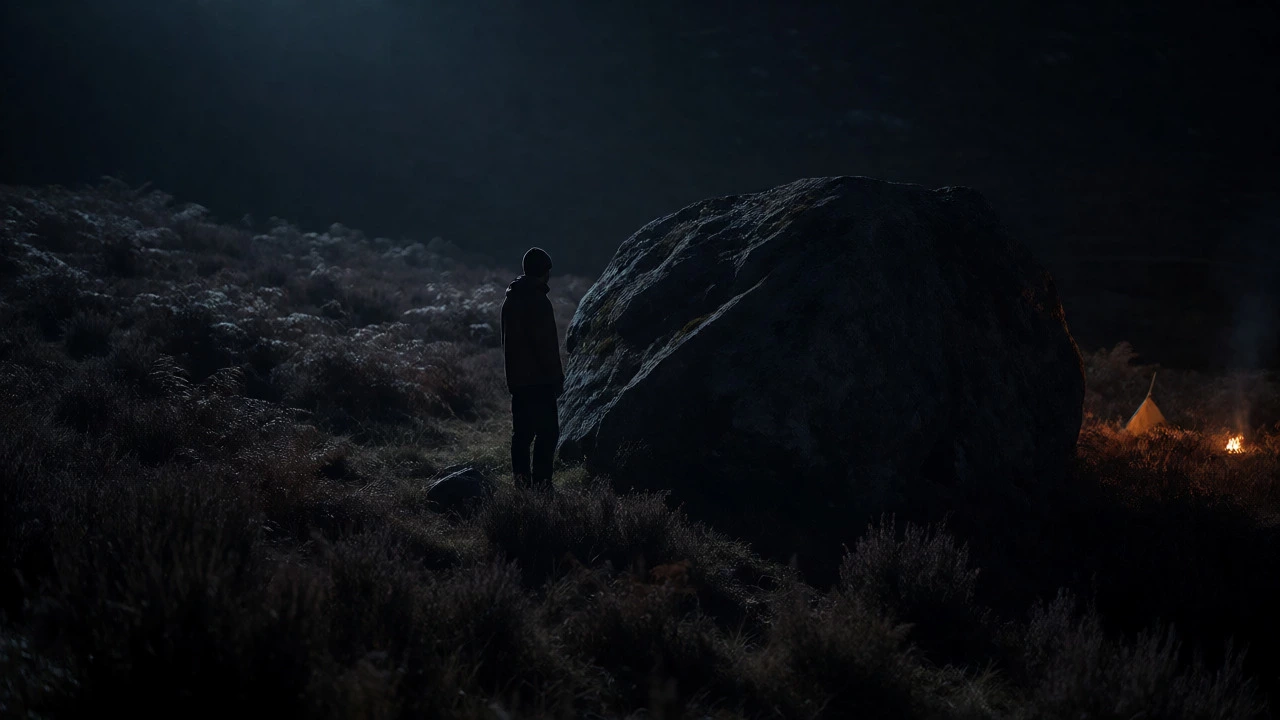
You’re three days into a wild camp in the Scottish Highlands. The sun has set, the fire is dying down, and nature calls. You step out of your tent, look around at the pitch-black darkness, and wonder: can you just go right here? Or do you need to hike back to the car park toilets?
This isn’t just about comfort. It’s about respect for the land, other campers, and the law. In the UK, the answer depends heavily on where you are, who owns the land, and how discreet you are. Let’s break down exactly what you can get away with, when you absolutely shouldn’t, and how to handle business like a pro without ruining the vibe.
The Short Answer: It’s Complicated
There is no single "yes" or "no" that applies to every inch of British countryside. Generally speaking, if you are on private land with permission, you follow the owner's rules. If you are on common land or managed access land, you have more freedom, but it comes with responsibilities. The core principle behind most UK access laws, including the Countryside Code and the Land Reform (Scotland) Act 2003, is "leave no trace." This means your presence should be temporary and invisible after you leave.
Peeing on the ground is usually acceptable if you do it correctly. Defecating is almost never acceptable unless you pack it out or use a designated facility. But let’s focus on the liquid business first, because that’s where most people hesitate.
Where You Can Go: Legal Access vs. Private Land
Your rights change depending on the map. In England and Wales, you don’t have a universal "right to roam" like in Scotland. Instead, you rely on specific designations like Open Access Land under the Countryside and Rights of Way Act 2000 (CROW Act). On this land, you can walk, climb, and generally enjoy the outdoors. Does this include relieving yourself? Technically, yes, provided you aren't causing damage or nuisance.
In Scotland, the situation is clearer thanks to the Land Reform (Scotland) Act 2003, which grants extensive access rights to most land and inland water. Here, peeing outside is widely accepted as part of responsible recreation, as long as you stay away from buildings, roads, and water sources. However, even in Scotland, you must avoid sensitive areas like archaeological sites or busy picnic spots.
If you are on private farmland, especially during lambing season or crop growth, always check signs. Farmers might allow casual access but draw the line at bodily functions near their livestock or barns. When in doubt, ask. A quick chat with a farmer often clears up any ambiguity faster than guessing.
The Golden Rule: Distance and Discretion
Even if you have the legal right, etiquette matters more than legality. No one wants to find your fresh puddle next to their breakfast spot. Follow these distance guidelines to keep everyone happy:
- Water Sources: Stay at least 60 meters (about 70 yards) away from streams, rivers, lochs, and lakes. Urine contains nitrogen and phosphorus, which can feed algae blooms and harm aquatic life if concentrated too close to the edge.
- Tents and Campsites: Keep at least 15-20 meters away from any tent, caravan, or pitch. You don’t want your neighbor smelling your evening beer consumption.
- Trails and Paths: Don’t pee directly on footpaths. Move off-trail into vegetation. This hides the stain and allows natural absorption.
- Buildings: Avoid walls, fences, and structures. Salt deposits from urine can corrode stone and metal over time, and visually, it’s just not polite.
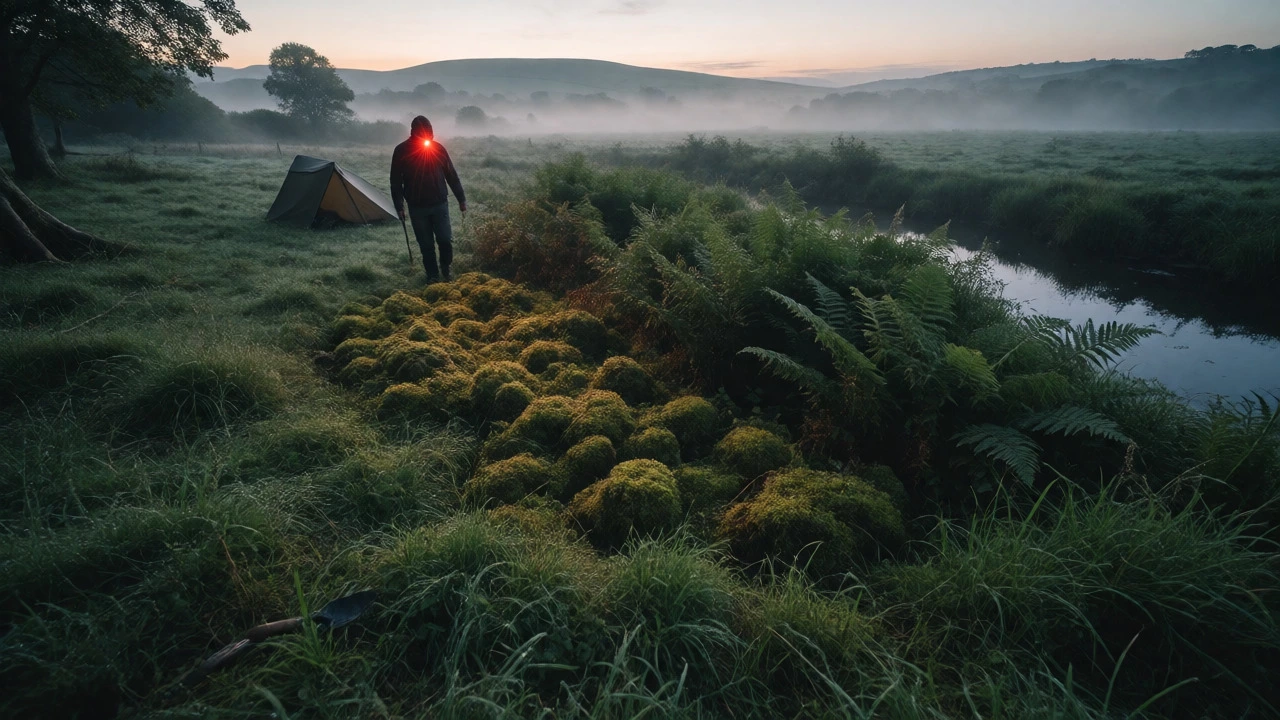
Discretion is key. Use trees, bushes, or terrain features to shield yourself. If you’re in a group, take turns. If you’re solo, wait until nightfall or early morning when fewer eyes are watching. A headlamp with a red light mode helps you see without blinding others.
Techniques for Men, Women, and Everyone Else
Gender plays a role in logistics, but not in rules. Men have the advantage of aim and standing ability, but women and non-binary campers have equally effective methods.
For men, aim for moss, ferns, or thick grass. These absorb liquid quickly and mask the smell better than bare earth or rock. Avoid sandy soil, which holds moisture and odor longer. If you’re aiming for a tree, pick a sturdy trunk rather than thin saplings that might snap or bend awkwardly.
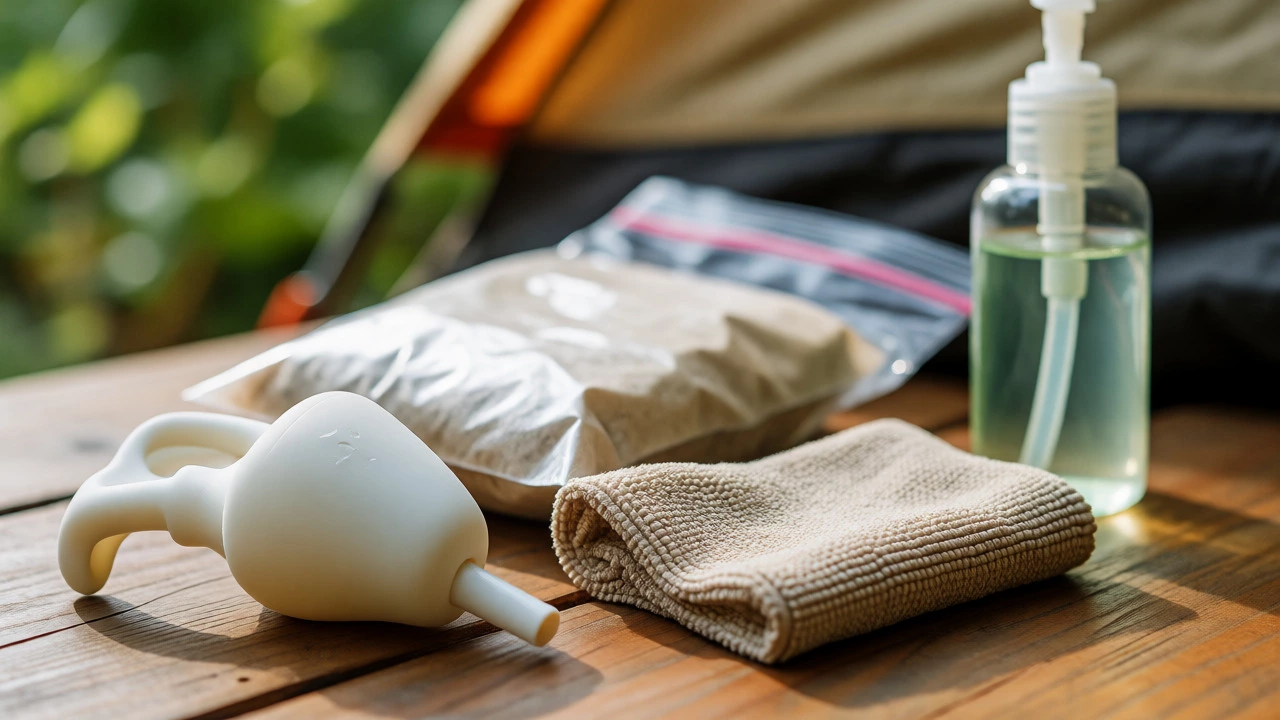
For women, squatting is standard, but stability can be tricky on uneven ground. Look for flat patches or use a walking pole for balance. Some women prefer using a female urination device (FUD), like a Shewee or Freshette. These silicone funnels allow you to stand while peeing, reducing contact with wet ground and making cleanup easier. They require practice, so test them at home before your trip.
Regardless of gender, wipe smartly. Carry biodegradable wipes or a dedicated cloth towel. Never throw used toilet paper on the ground in the UK; it takes months to decompose and looks unsightly. Pack it out in a sealed bag or burn it carefully if you’re experienced with fire safety and have dry conditions.
| Method | Best For | Pros | Cons |
|---|---|---|---|
| Direct Ground | Remote Wild Camping | No gear needed, fast | Requires privacy, weather-dependent |
| Female Urination Device | Women/Non-binary, Cold Weather | Stands upright, less exposure | Learning curve, cleaning required |
| Portable Urinal | Nighttime, Car Camping | Convenient, no leaving tent | Bulkier, needs emptying/cleaning |
| Camping Toilet | Family Groups, Long Trips | Comfortable, handles solids too | Heavy, requires chemical treatment |
When You Absolutely Should Not Pee Outside
There are scenarios where holding it or using a container is the only option. First, high-traffic areas. If you’re camping in a popular spot like the Lake District or Snowdonia during peak summer, assume there are hidden cameras or just lots of curious hikers. Privacy is rare, so stick to facilities.
Second, protected conservation zones. Some Sites of Special Scientific Interest (SSSIs) have strict rules against introducing foreign substances, including urine, to preserve delicate flora. Check local signage or website notices before setting up camp.
Third, winter camping. Frozen ground doesn’t absorb liquid well. Your pee will pool, freeze, and create an icy patch that could slip someone later. Plus, the smell lingers in cold air differently. In deep snow, dig a small hole or use a portable urinal to contain the mess.
Finally, medical reasons. If you have a urinary tract infection or kidney issues, frequent trips outside might be impractical. In these cases, a portable urinal inside the vestibule of your tent is a lifesaver.
Hygiene and Health Considerations
It’s not just about manners; it’s about health. Always wash your hands after relieving yourself, even if you didn’t touch anything. Carry hand sanitizer with at least 60% alcohol content. Waterborne pathogens are less of a risk from your own urine, but touching contaminated surfaces (like a shared tap) before wiping can introduce bacteria.
Stay hydrated. Concentrated urine smells stronger and irritates skin more. Drinking enough water keeps the flow steady and reduces the chance of bladder infections, which are annoying enough at home, let alone in a sleeping bag.
Be mindful of wildlife. Animals are attracted to salt and minerals in sweat and urine. Don’t pee near your food storage area or bear bags (if applicable). In the UK, we don’t have bears, but foxes and badgers are nosy enough to investigate strong scents near your kitchen zone.
Legal Nuances: Public Urination Laws
While wild camping is tolerated in many places, public urination in towns, villages, or near car parks can lead to fines. Under the Criminal Justice and Police Act 2001 in England and Wales, urinating in a public place where it causes annoyance can result in a fixed penalty notice. This rarely applies to remote hillsides but definitely applies if you’re caught peeing behind a pub wall in a village.
In Scotland, similar bylaws exist in urban areas. Always gauge the context. If you’re five miles from the nearest road, you’re safe. If you’re visible from a main street, find a bush or hold it.
Practical Gear Recommendations
You don’t need much, but having the right tools makes a difference:
- Biodegradable Soap: For washing hands. Regular soap harms aquatic life, so choose eco-friendly options.
- Trowel: Essential for digging catholes if you also need to defecate, but useful for covering pee stains in sandy areas.
- Trash Bags: Ziploc-style bags for used wipes or toilet paper. Double-bag them to contain odors.
- Headlamp: With a red filter to preserve night vision and minimize disturbance to others.
- Quick-Dry Towel: A small microfiber cloth replaces toilet paper and dries instantly.
Final Thoughts: Respect the Silence
Camping is about connecting with nature, not dominating it. Peeing outside is a basic human function, and doing it respectfully ensures that the next camper finds the spot pristine. Follow the distances, hide your evidence, and pack out your waste. Do this, and you’ll never worry about whether you “can” go-you’ll just go, quietly and confidently.
Is it illegal to pee outside while camping in the UK?
Not typically in remote wild camping areas. However, it can be considered an offense if done in public view, near buildings, or in designated urban zones where it causes annoyance. Always check local bylaws, especially near villages or car parks.
How far from water should I pee when camping?
Maintain a distance of at least 60 meters (approx. 70 yards) from any stream, river, lake, or spring. This prevents contamination of drinking water sources and protects aquatic ecosystems from nutrient overload.
Do I need to pack out my urine?
No, you do not need to pack out liquid urine. It absorbs into the soil naturally. However, you must pack out any toilet paper or wipes used. Never bury paper in the ground as it does not decompose quickly enough in the UK climate.
What is the best way for women to pee while camping?
Many women use a Female Urination Device (FUD) like a Shewee to stand while peeing, which keeps clothes dry and offers more privacy. Alternatively, finding a flat, stable surface and squatting works well. Practice using a FUD at home before relying on it in the field.
Can I pee on plants or trees?
Yes, peeing on moss, ferns, or thick grass is ideal because they absorb liquid and mask odors. Avoid thin saplings or delicate flowers. Aim for hardy vegetation that can handle the slight acidity and nitrogen boost.