Camping Hygiene & Gear Planner
Hygiene Method Recommendations
Picture this: you’ve spent six hours hiking through the Scottish Highlands. Your boots are caked in mud, your shirt is sticking to your back, and the smell of damp wool and sweat is becoming a distinct character in its own right. You pitch your tent, collapse onto your sleeping mat, and realize you have nowhere to wash. Can you actually shower while camping in the UK, or are you destined to stay grimy for three days?
The short answer is yes, but it depends entirely on where you sleep. If you book a spot at a standard Campsite a designated area for pitching tents, caravans, or motorhomes, often providing shared amenities like toilets and water, you will almost certainly find a place to get clean. However, if you are practicing Wild Camping sleeping outdoors in remote locations without booking a designated site, common in Scotland but restricted elsewhere in the UK, the rules change drastically. Understanding the difference between these two experiences is key to planning your hygiene routine.
What to Expect at Booked Campsites
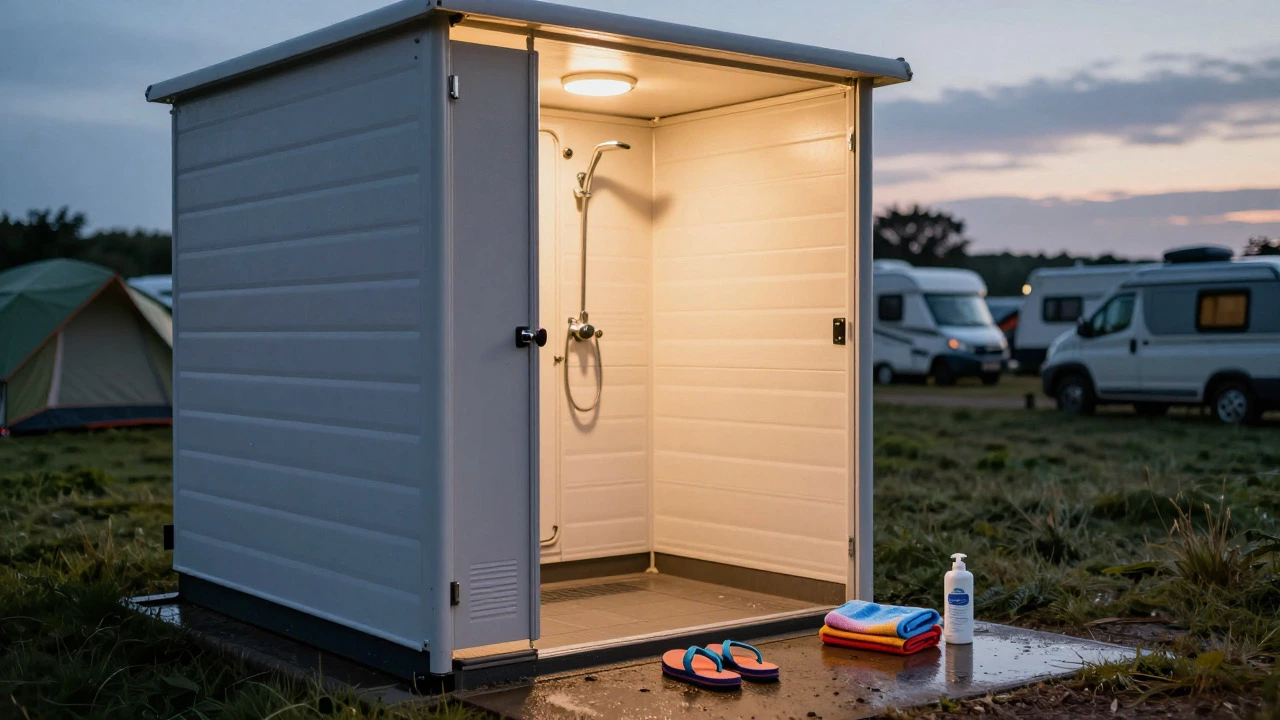
When you pay for a pitch at a recognized campsite in England, Wales, or Northern Ireland, you are paying for infrastructure. Most sites managed by organizations like the Caravan and Motorhome Club a membership organization representing owners of caravans and motorhomes in the UK or private operators offer communal shower blocks. These aren’t five-star hotel spas, but they do the job. Typically, you’ll find a heated block with multiple cubicles, running hot water, and sometimes even soap dispensers.
The quality varies. At a basic municipal site, you might be dealing with coin-operated showers that run out of hot water after 10 minutes. At a luxury glamping park, you might get en-suite facilities with rainfall heads and towels included. Always check the facility list before you book. Look for keywords like "heated showers," "communal bathrooms," or "en-suite." If a site only lists "toilets" or "chemical loos," assume there is no place to wash up properly.
Here is a quick breakdown of what different types of UK campsites typically offer regarding washing facilities:
| Campsite Type | Shower Access | Typical Cost | Privacy Level |
|---|---|---|---|
| Budget Municipal | Communal, coin-operated | £1-£2 per use | Low (shared changing room) |
| Private Commercial | Heated communal blocks | Often included in pitch fee | Medium (cubicles) |
| Luxury/Glamping | En-suite or private pod | Included in higher price | High (private) |
| Wilderness/Rustic | None or cold-water tap | Free or low fee | N/A |
The Wild Camping Reality Check
Now let’s talk about wild camping. In Scotland, thanks to the Land Reform Act, you can legally camp almost anywhere as long as you leave no trace. In England and Wales, it’s technically trespassing unless you have permission from the landowner, though many people do it discreetly. The catch? There are no facilities. No taps. No electricity. No showers.
If you are wild camping, you cannot shower in the traditional sense. But that doesn’t mean you have to smell like a wet dog. The solution here is preparation. You need to bring your own water and your own method of cleaning. This shifts the burden from finding a facility to managing resources. You are trading convenience for freedom, and part of that trade-off is carrying a few extra liters of water in your pack.
DIY Shower Solutions for the Road
You don’t need plumbing to get clean. Over the years, campers have developed clever ways to wash up using minimal water. Here are the most effective methods I’ve seen used by seasoned travelers:
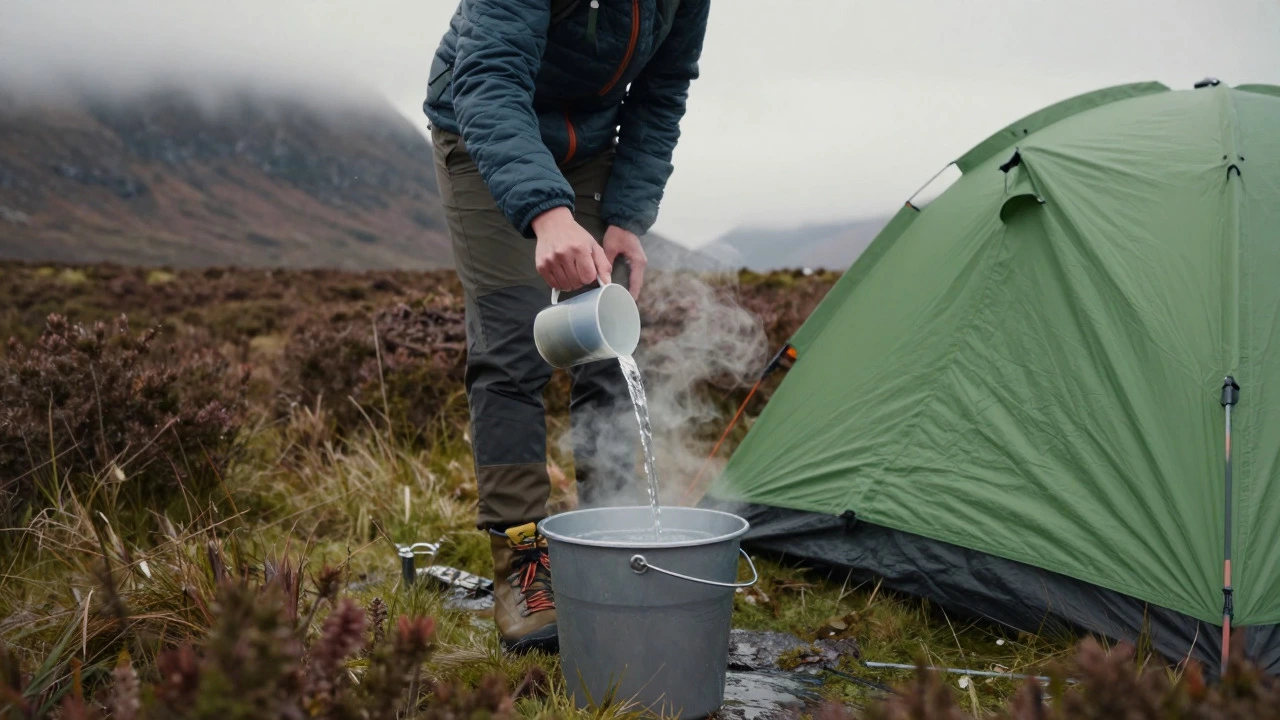
- The Bucket and Mug Method: Fill a sturdy bucket with warm water (heat it on a camping stove if you’re feeling fancy). Use a plastic mug to pour water over yourself. It sounds primitive, but it works surprisingly well. Just be careful not to slip on the ground outside your tent.
- Biodegradable Wipes: Keep a pack of biodegradable body wipes in your backpack. They are great for a quick refresh, especially if you’re too tired to do a full wash. Make sure they are truly biodegradable so you can bury them away from water sources if necessary.
- Dry Shampoo: For hair, dry shampoo is a lifesaver. It absorbs oil and gives you volume without needing any water. Sprinkle it in, massage it in, brush it out. Done.
- Sponge Baths: Use a small towel soaked in soapy water to wipe down your torso, armpits, and feet. Rinse with a separate damp cloth. This uses less than a liter of water total.
If you are staying in a Motorhome a vehicle equipped with living quarters, including a bed, kitchen, and often a bathroom, you likely have an onboard cassette toilet and a small shower. The limitation here is space and water capacity. You’ll need to plan your shower around filling up fresh water tanks and emptying grey water. A quick 5-minute shower is more realistic than a long soak.
Hygiene Etiquette and Environmental Care
Whether you are at a busy site or deep in the woods, how you handle your waste matters. Water pollution is a real issue in popular camping areas. Never pour soap, shampoo, or toothpaste directly into streams or lakes. Even biodegradable soap takes time to break down and can harm aquatic life.
The golden rule is the 20-meter rule. Carry your grey water (soapy water from washing) at least 20 meters (60 feet) away from any water source before dispersing it on the ground. Scatter it widely rather than dumping it in one spot. If you are using a campsite’s drain system, follow their specific instructions. Some sites require you to dispose of food scraps in bins, not sinks, to avoid blocking pipes.
Also, consider the comfort of others. If you are doing a bucket shower outside your tent, do it during daylight hours when visibility is good. Nobody wants to walk past and see something unexpected. And keep noise levels down; early morning or late evening showers can disturb neighbors trying to sleep.
Essential Gear for Clean Camping
To make your camping hygiene routine smoother, invest in a few specific items. You don’t need much, just the right tools:
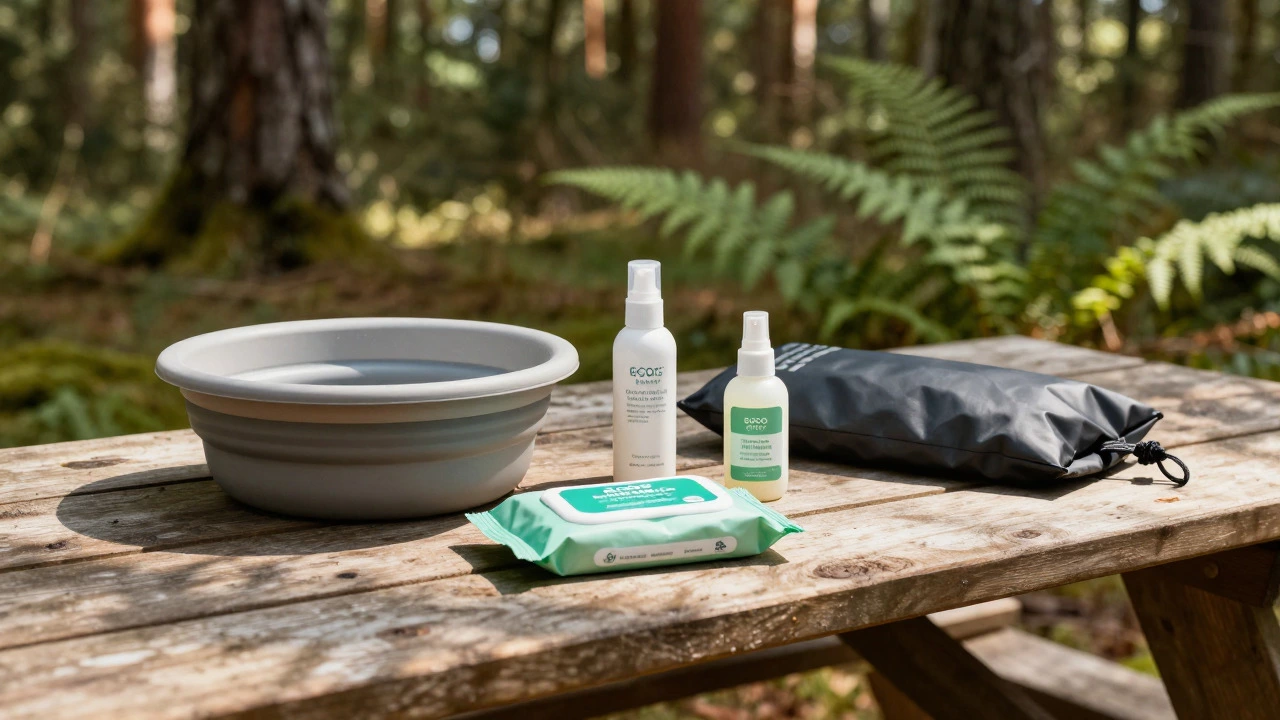
- A Quick-Dry Towel: Cotton towels take forever to dry and get heavy when wet. Microfiber towels absorb water quickly, dry overnight, and pack down small.
- Biodegradable Soap: Brands like Dr. Bronner’s or specialized camping soaps are gentle on the skin and the environment. Avoid harsh chemicals.
- A Collapsible Basin: These fold flat when not in use but provide a stable container for washing up or storing water.
- Flip-Flops: Essential for communal showers. Protect your feet from fungi and bacteria in shared spaces.
- A Waterproof Bag: Keep your clean clothes separate from dirty ones. A simple dry sack works perfectly.
Planning Ahead: Checking Facilities
Before you set off, do your homework. Websites like Pitchup.com or the Caravan and Motorhome Club directory allow you to filter sites by amenities. Look specifically for "showers" and "hot water." If you are driving a motorhome, check if the site offers electric hook-ups, which can power portable heaters or keep your onboard systems running efficiently.
If you are planning a multi-day trip, map out where you can refill water and access proper facilities. Towns along your route often have public swimming pools or gyms that offer day passes with shower access. It’s a bit of a detour, but it beats three days of grime.
Remember, camping is about enjoying nature, not suffering in discomfort. With a little planning and the right mindset, you can stay clean and comfortable whether you’re in a plush glamping pod or a tent under the stars.
Do all campsites in the UK have showers?
Most commercial and club-affiliated campsites in the UK offer communal shower facilities. However, basic or rustic sites may only provide toilets and cold water taps. Always check the facility list on the booking website before arriving. Wild camping sites, by definition, have no facilities.
How much does it cost to use showers at campsites?
At many private campsites, shower use is included in the pitch fee. At municipal or budget sites, you might pay £1-£2 per shower via coins or tokens. Luxury glamping sites usually include en-suite access in the higher nightly rate.
Can I wild camp and still shower?
You cannot shower in the traditional sense while wild camping because there are no facilities. However, you can maintain hygiene using bucket baths, biodegradable wipes, and sponge baths. You must carry all water in and out and dispose of grey water responsibly, at least 20 meters from water sources.
What should I bring for showering at a campsite?
Bring flip-flops for hygiene in communal areas, a quick-dry microfiber towel, biodegradable soap and shampoo, and a waterproof bag for wet clothes. If you are wild camping, add a collapsible basin and a water jug to your kit.
Is it okay to pour soapy water into a stream?
No, it is best to avoid pouring soapy water directly into streams or lakes, even if the soap is biodegradable. Chemicals can harm aquatic life. Instead, carry your grey water at least 20 meters away from any water source and scatter it widely on the ground.