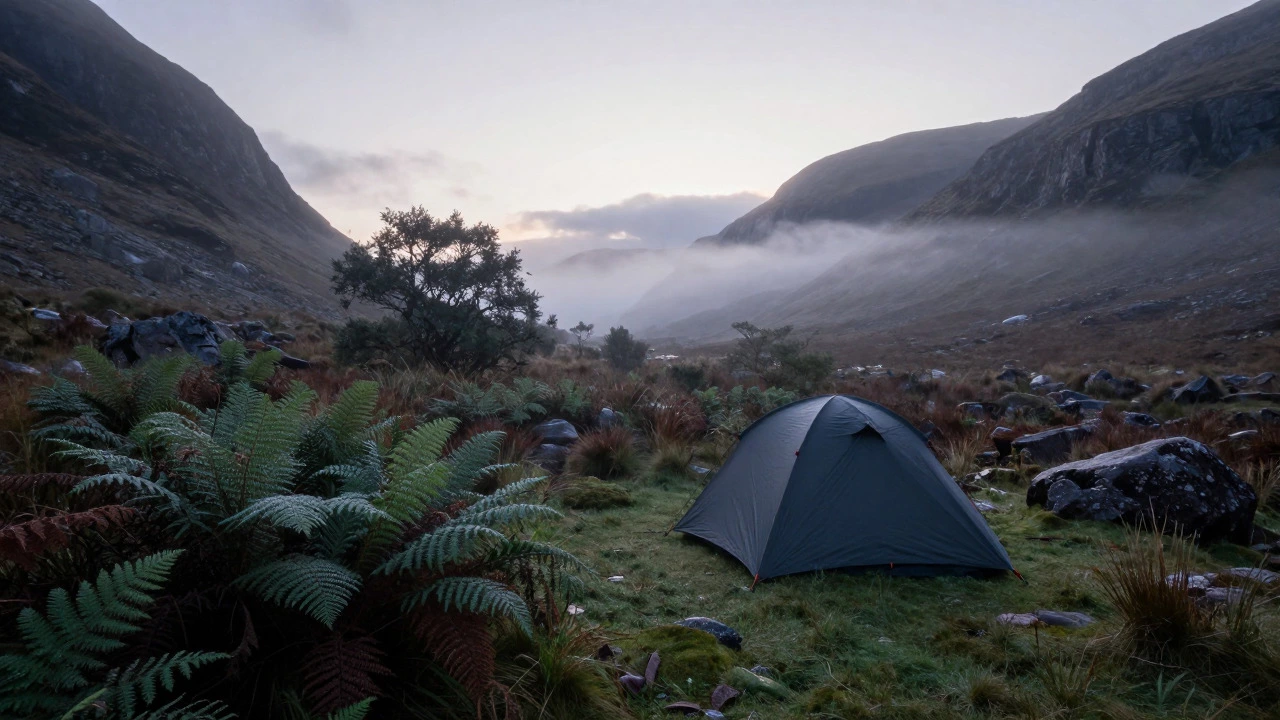
Guerrilla Camping Legality & Rules Checker
*Click a region to view specific regulations and required practices.
Select a Region
Choose a location from the list to see if guerrilla camping is legal and what rules apply.
Imagine waking up to the sound of birdsong in a secluded valley, miles away from the nearest toilet block or reception desk. There’s no booking fee, no Wi-Fi password, and no neighbors complaining about your snoring. Just you, your tent, and the raw beauty of nature. This is the dream that draws thousands of adventurers to guerrilla camping, also known as wild camping or free camping.
But here’s the catch: it’s not always legal, it’s rarely comfortable in the traditional sense, and if you do it wrong, you can ruin the experience for everyone else. So, what exactly is guerrilla camping? Is it just sleeping wherever you want, or is there a code of conduct you need to follow? Let’s break down the reality behind the romanticized idea of wild freedom.
The Definition: More Than Just Sleeping Outside
At its core, guerrilla camping is the practice of setting up camp in remote or undeveloped areas without formal permission or facilities. Unlike glamping or staying at a designated campsite, where you pay for a pitch, electricity, and showers, guerrilla camping relies on self-sufficiency. You bring everything in, and you take everything out.
The term “guerrilla” comes from the military concept of surprise tactics. In this context, it means being unobtrusive. You aren’t announcing your presence with flags, loud music, or bright lights. You are blending into the landscape. Some people confuse this with stealth camping, which is a subset of guerrilla camping focused specifically on hiding from landowners or authorities to avoid detection. While all stealth camping is guerrilla camping, not all guerrilla camping requires stealth-especially in places where wild camping is legally protected.
Why do people choose this over a luxury glamping site? For many, it’s about cost. It’s free. For others, it’s about access. Some of the most beautiful landscapes in the world don’t have campsites because they are too rugged or too remote. Guerrilla camping allows you to sleep under the stars in places that would otherwise be inaccessible overnight.
The Legal Landscape: Where Can You Camp?
This is the most critical part of understanding guerrilla camping. The legality depends entirely on where you are. What is a right in one country is a crime in another.
| Region | Legal Status | Key Rules |
|---|---|---|
| Scotland | Legal (Right to Roam) | Land Reform Act 2003 allows camping anywhere except private gardens. Must follow Leave No Trace principles. |
| England & Wales | Tolerated / Illegal | No general right to roam. Landowners can ask you to leave. Police may issue dispersal orders in popular spots. |
| Norway | Legal (Allemannsretten) | “Everyone’s Right to Roam.” Can camp 150m from cabins. Stay max 2 nights in one spot. |
| USA (BLM Land) | Legal (Dispersed Camping) | Allowed on Bureau of Land Management lands. Usually 14-day limit per location. Check local county rules. |
| France | Restricted | Generally illegal outside designated areas. Fines apply. Some regions allow bivouacking (sleeping in a tent but leaving before dawn). |
In Scotland, for example, the Land Reform Act 2003 codified the ancient right to roam. This means you can legally pitch your tent almost anywhere, provided you respect the land. In England, however, it’s a gray area. Technically, you are trespassing if you stay on private land without permission. However, many landowners tolerate short-term wild campers as long as they are quiet and clean. If you stay too long or cause a mess, you will likely be asked to leave-or worse.
If you are planning to try guerrilla camping, research the local laws first. Ignorance isn’t an excuse when a fine is involved.
The Golden Rule: Leave No Trace
If guerrilla camping has a religion, it’s Leave No Trace (LNT). This isn’t just a slogan; it’s a survival strategy for the practice itself. When wild campers start littering, burning trees, or trampling vegetation, politicians and landowners crack down. Restrictions get tighter. Access gets lost. To keep the freedom alive, you must be invisible.
Here are the seven core principles of LNT adapted for guerrilla camping:
- Plan Ahead and Prepare: Know the terrain. Check the weather. Bring enough food and water so you don’t need to scavenge or rely on locals.
- Travel and Camp on Durable Surfaces: Pitch your tent on grass, gravel, or rock. Avoid delicate mosses, flower beds, or stream banks. Spread out your sleeping bag to distribute weight.
- Dispose of Waste Properly: Pack out all trash, including biodegradable items like apple cores and banana peels. They take months to decompose and attract animals. Human waste? Dig a cathole 6-8 inches deep, at least 200 feet from water sources, and pack out toilet paper.
- Leave What You Find: Don’t build rock cairns. Don’t pick flowers. Take only photos, leave only footprints.
- Minimize Campfire Impacts: Fires are often banned in guerrilla camping due to fire risk and environmental damage. Use a portable stove instead. If fires are allowed, use existing fire rings and burn wood small enough to fit in your hand.
- Respect Wildlife: Observe from a distance. Never feed animals. Store food securely to prevent bears or raccoons from raiding your camp.
- Be Considerate of Other Visitors: Keep noise down. Arrive late, leave early. Don’t let your group dominate a small clearing.
Think about it: if you were walking through a pristine forest and found a half-eaten sandwich wrapper, how would that make you feel? Now imagine finding a perfectly empty space. That’s the goal.
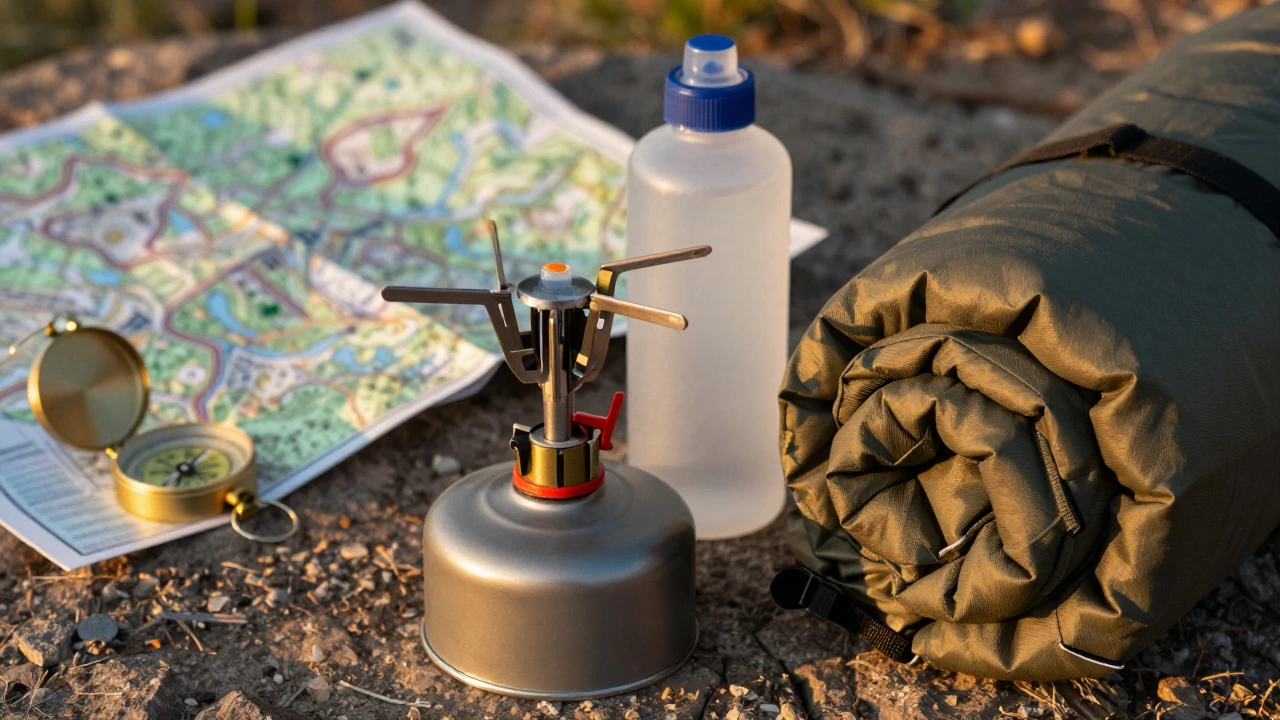
Essential Gear for the Unplugged Adventure
You can’t rely on amenities. Your gear needs to be reliable, lightweight, and versatile. Since you’re carrying everything yourself (or in a vehicle parked far away), every ounce counts.
- A Lightweight Tent: You need something easy to set up in the dark or bad weather. Freestanding tents are best because you can place them on rocky ground without staking them everywhere. Look for three-season tents unless you’re going high-altitude winter camping.
- Sleeping System: The ground sucks heat from your body faster than air does. Invest in a good sleeping pad with a high R-value (insulation rating) and a sleeping bag rated for temperatures colder than you expect. Down bags are lighter but lose insulation when wet; synthetic bags are heavier but work better in damp climates like Ireland or the Pacific Northwest.
- Water Filtration: Carrying gallons of water is heavy. Carry a filter or purification tablets instead. Brands like Sawyer or Katadyn are industry standards. Always treat water from natural sources, even if it looks clear.
- Portable Stove: A simple canister stove boils water quickly for coffee and dehydrated meals. It’s cleaner and safer than trying to build a fire in damp conditions.
- Navigation Tools: Phone batteries die. GPS signals drop. Carry a physical map and compass. Learn how to use them. Apps like Gaia GPS or AllTrails are great backups, but never your primary source.
- Headlamp with Red Light Mode: White light ruins your night vision and alerts others to your presence. Red light lets you see without disturbing wildlife or other campers.
Don’t forget a multi-tool and a first-aid kit. You’re often far from help, so being self-reliant isn’t optional-it’s mandatory.
Finding the Spot: Stealth and Strategy
Even in legal areas, picking the right spot is an art. You want privacy, comfort, and safety. Here’s how to scout a location:
- Arrive Late, Leave Early: Set up camp after dusk. Break down and leave before dawn. This minimizes your footprint and reduces the chance of conflict with hikers or landowners.
- Look for Natural Shelter: Avoid hilltops (windy and exposed) and dry riverbeds (flash flood risk). Look for flat ground near tree lines for wind protection, but not directly under dead branches (“widowmakers”) that could fall.
- Stay Away from Water: It’s tempting to camp next to a lake, but it’s ecologically sensitive and attracts insects. Camp at least 200 feet (70 paces) from any water source.
- Use Cover Wisely: If you’re doing stealth camping, avoid open fields. Use bushes, rocks, or dips in the terrain to break up the silhouette of your tent. Dark-colored tents blend in better than neon orange ones.
- Check for Hazards: Look for ant hills, snake nests, or animal trails. If animals are using the path, it might be their home.
Remember, you are a guest in the wild. The land doesn’t owe you a bed. You earn your spot by being respectful and prepared.
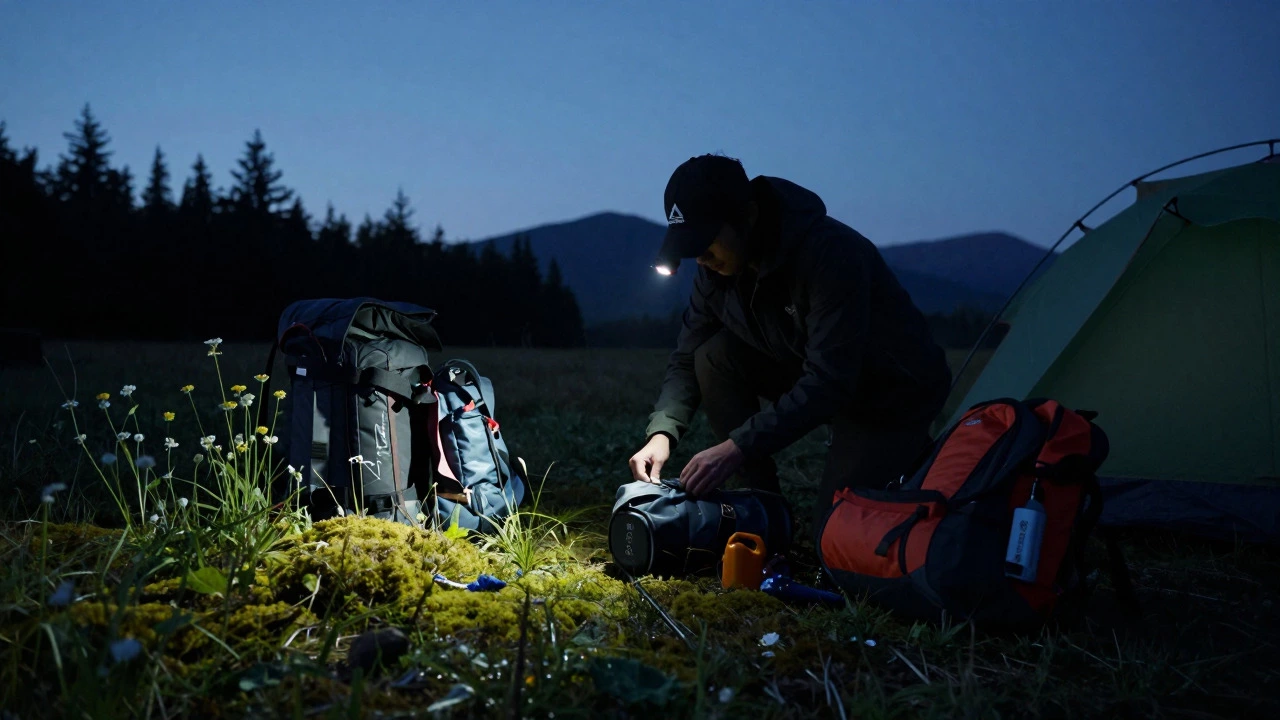
Guerrilla Camping vs. Luxury Glamping: Choosing Your Style
Not everyone wants to rough it. The rise of luxury camping or glamping shows that people crave nature without the hardship. So, which is right for you?
Glamping offers comfort. Real beds, hot showers, gourmet breakfasts, and often stunning design. It’s perfect for beginners, families with young children, or those who want a weekend escape without the prep work. But it costs money-often significantly more than a hotel-and limits you to specific locations.
Guerrilla camping offers freedom. You can go where the road ends. It’s cheap (just gas and food). It builds skills: navigation, cooking, problem-solving. It connects you deeply with the environment because you’re dependent on it. But it requires effort, resilience, and responsibility.
Many people do both. Start with a designated wild camping site to learn the ropes. Then, once you’re confident in your gear and LNT practices, venture off-grid. Or, use guerrilla camping for solo trips and glamping for hosting friends.
Safety First: Risks and Mitigation
The wilderness is beautiful but indifferent to your well-being. Common risks include:
- Weather Changes: Temperatures can drop rapidly at night. Hypothermia is a real threat even in summer if you get wet and windy. Always carry extra layers.
- Wildlife Encounters: Bears, moose, snakes, and insects vary by region. Research local fauna. Hang food in bear bags if required. Keep a safe distance.
- Isolation: No cell service means no emergency calls. Tell someone your itinerary and expected return time. Carry a satellite messenger like a Garmin inReach if going deep into the backcountry.
- Terrain Hazards: Slippery rocks, hidden roots, and steep slopes can cause injuries. Watch your step, especially in low light.
Preparation is your best defense. Check weather forecasts, know your limits, and turn back if conditions worsen. Pride doesn’t save lives; smart decisions do.
Is guerrilla camping illegal in the UK?
It depends. In Scotland, it is legal under the Land Reform Act 2003, provided you follow Leave No Trace principles. In England and Wales, there is no general right to wild camp. It is technically trespassing, though often tolerated if done discreetly and respectfully. Always check local bylaws, as some areas have strict dispersal orders.
What is the difference between guerrilla camping and stealth camping?
Guerrilla camping is a broad term for wild, free camping in undeveloped areas. Stealth camping is a specific technique within guerrilla camping focused on hiding your presence to avoid detection by landowners or authorities. All stealth camping is guerrilla camping, but not all guerrilla camping requires stealth (e.g., in legal zones like Scotland).
Can I camp anywhere in national parks?
Usually, no. Most national parks require permits or restrict camping to designated sites to protect fragile ecosystems. Some US National Forests and BLM lands allow dispersed camping, but rules vary. Always check with the park ranger station before assuming you can camp freely.
How do I dispose of human waste while wild camping?
Dig a cathole 6-8 inches deep, at least 200 feet (70 paces) from water sources, trails, and campsites. Bury your waste and toilet paper. In alpine or desert environments where soil doesn’t decompose well, pack out all waste in a WAG bag (Waste Alleviation and Gelling system).
Is guerrilla camping safe for beginners?
It can be, if you prepare properly. Start with legal areas where wild camping is permitted. Go with experienced friends. Practice Leave No Trace rigorously. Ensure you have reliable gear, navigation tools, and an emergency plan. Don’t attempt remote solo trips until you’ve mastered the basics.