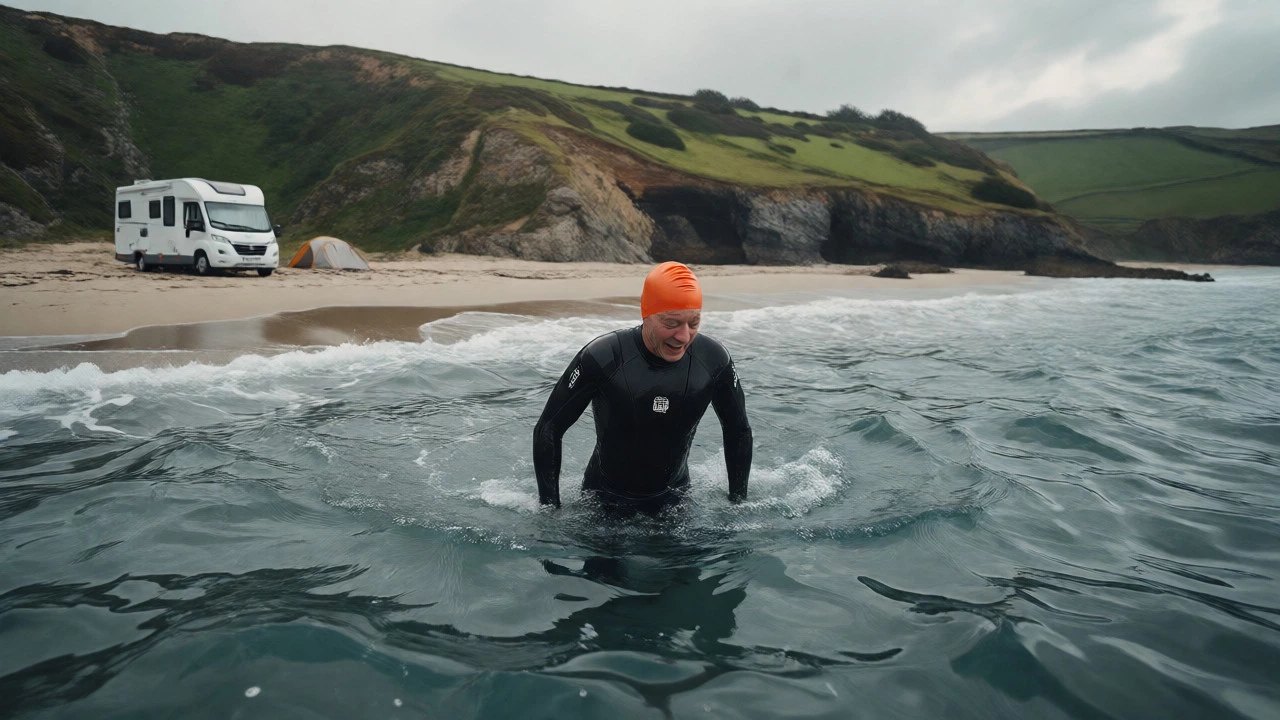
English Beach Swimming Planner
Select a region to view current average summer water temperatures, safety levels, and recommended gear for your swim.
Cornwall & Devon Conditions
- 3mm Wetsuit
- Bright Swim Cap
Pro Tip:
Air temperature does not equal water temperature. Even on hot days, the sea remains cold. Check local tide times before entering.
Here’s a fact that surprises most first-time visitors: the water temperature off the coast of Cornwall or Norfolk rarely exceeds 18°C (64°F) even in late summer. So, when you ask, "Can you swim at the beach in England?" the answer is technically yes, but practically, it depends entirely on your tolerance for cold and your knowledge of local conditions. It’s not the Mediterranean. You won’t be floating in bathwater. But if you’re camping nearby, as many of us do in our motorhomes or tents, taking a dip is part of the experience-provided you know where to go and how to stay safe.
| Region | Avg Summer Temp | Best For | Safety Risk Level |
|---|---|---|---|
| Cornwall & Devon | 15-17°C | Surfing, Short Dips | Moderate (Rip Currents) |
| Norfolk & Suffolk | 14-16°C | Families, Calm Seas | Low (Shallow Waters) |
| Northumberland | 13-15°C | Wild Swimming, Quiet | High (Remote Areas) |
| Kent (South East) | 16-18°C | Cold Water Training | Low (Patrolled Beaches) |
The Reality of English Sea Temperatures
Let’s be clear about what you’re getting into. The sea around England is cold because we are far north. Even in August, which is statistically the warmest month, the average sea surface temperature hovers between 14°C and 17°C depending on where you are. Compare that to Spain or Italy, where it’s often 24°C+, and you see the difference. For most people, anything below 15°C feels shockingly cold upon entry. This isn’t just uncomfortable; it triggers a physiological response called cold water shock, which can cause you to gasp involuntarily. If your face is underwater when you gasp, you inhale water. That’s the real danger, not hypothermia, which takes much longer to set in.
If you are staying at a Beach Campsite a campsite located directly adjacent to or with immediate access to a sandy coastline, you have the advantage of proximity. You can walk back to your van or tent quickly if the cold becomes too much. However, don’t let the sunshine fool you. Air temperature has almost no impact on water temperature. A hot day in Brighton doesn’t mean the sea is warm. It means you’ll feel colder when you get out because the wind will strip the heat from your wet skin.
Where to Find Safe Swimming Spots
You can’t just jump in anywhere. Some beaches have strong undercurrents, others have hidden rocks, and some are polluted after heavy rain. To find a spot where you can actually enjoy the water without risking your life, look for two things: lifeguard patrols and water quality ratings.
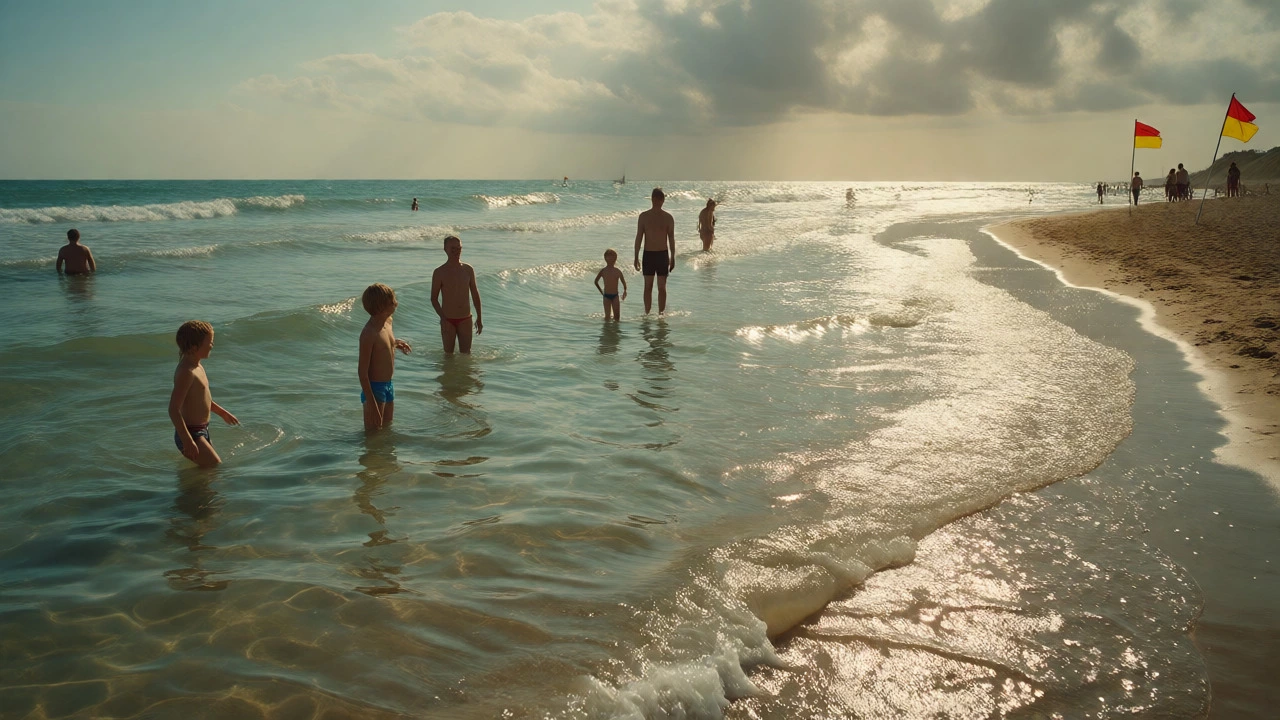
Lifeguards are seasonal. In England, they typically operate from late May to early September. During this window, stick to beaches marked with red and yellow flags. These flags indicate the area patrolled by lifeguards, which is also usually free from rip currents and hazards. Outside these months, or on unpatrolled beaches, you are on your own. This is crucial for wild campers who might be staying at remote spots like those in Northumberland or the Jurassic Coast. Just because it looks calm doesn’t mean it’s safe.
Water quality is another major factor. After a storm, sewage overflows can temporarily degrade water quality, leading to closures or health advisories. Before you plan a swim, check the Environment Agency’s bathing water profile for the specific beach you’re visiting. They provide real-time updates and historical data. If a beach is rated "Poor," think twice before submerging your head. Most popular tourist beaches in Cornwall and Kent maintain "Excellent" ratings, making them safer bets for families and casual swimmers.
Essential Gear for Cold Water Swimming
If you’re serious about swimming in England, especially outside of peak holiday season, you need more than a towel. Wetsuits are standard gear here. A 3mm or 4mm wetsuit makes a massive difference in comfort and safety. It traps a thin layer of water against your skin, which your body heats up, providing insulation. Without one, you might last five minutes. With one, you can stay in for thirty or more.
Beyond wetsuits, consider these items:
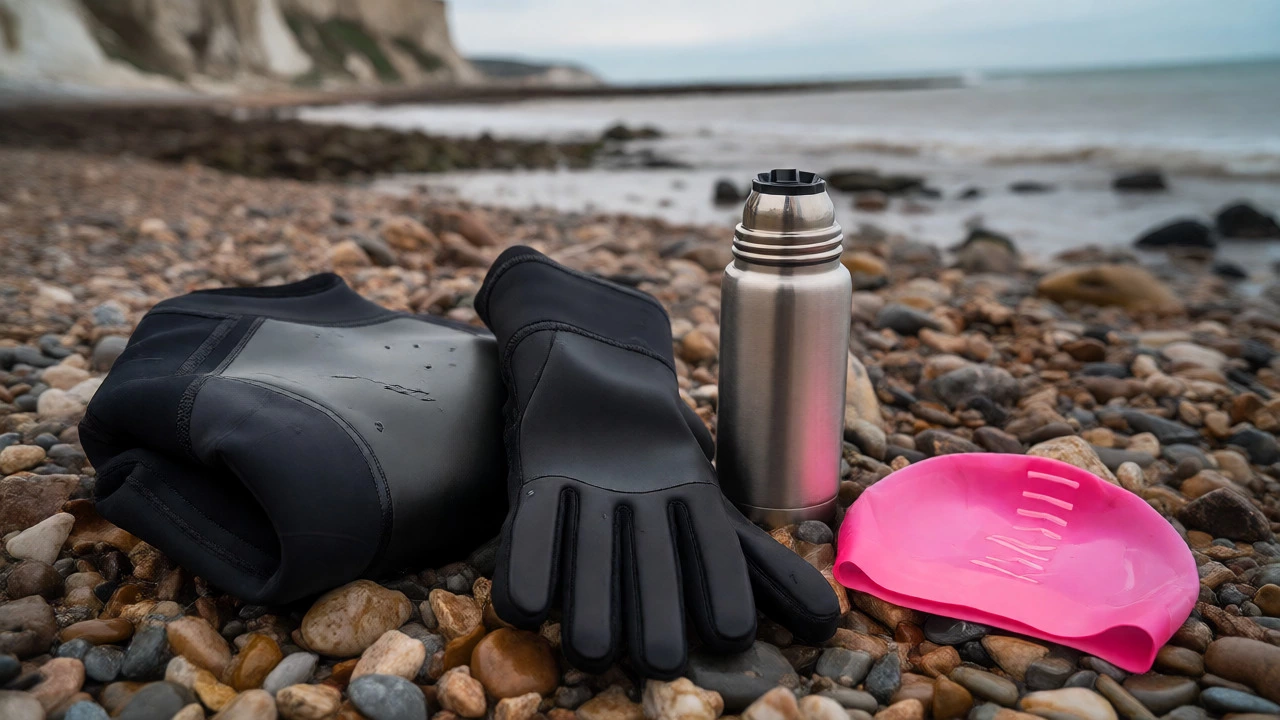
- Bright Swim Cap: Not just for style. In grey, choppy English seas, a bright orange or pink cap makes you visible to boats and other swimmers. Black hair disappears instantly in waves.
- Neoprene Gloves and Boots: Your hands and feet lose heat fastest. If you’re swimming for exercise or leisure, keeping your extremities warm prevents numbness and helps you maintain grip and mobility.
- Hot Drink Flask: This sounds trivial, but it’s vital. Having a flask of tea or coffee ready on the shore helps raise your core temperature immediately after exiting the water. Shivering is your body’s way of generating heat, but a hot drink speeds up recovery.
Risks and How to Mitigate Them
The biggest risk isn’t sharks or jellyfish; it’s complacency. People underestimate the power of tides and currents. Rip currents are channels of water moving away from the shore. If you get caught in one, do not try to swim straight back to the beach. You’ll exhaust yourself fighting the current. Instead, swim parallel to the shore until you’re out of the flow, then swim diagonally toward the beach. If you can’t swim out, float on your back and signal for help. Staying calm preserves energy and oxygen.
Another hazard is sudden depth changes. Many English beaches have sandbars followed by deep drop-offs. You might be waist-deep in one step and neck-deep in the next. This is common in places like Bournemouth or Hastings. Always test the depth gradually. Never dive headfirst into unknown waters, as submerged rocks are common even on sandy-looking beaches.
Finally, watch for marine life. While rare, bluebottle jellyfish wash ashore occasionally, particularly in late summer. Their stings are painful but rarely dangerous. Carry vinegar in your first aid kit to neutralize the sting if you get touched. Avoid rubbing the area with fresh water or sand, as this can trigger more nematocysts to fire.
Best Times of Year to Swim
Timing matters. July and August offer the warmest water, but also the largest crowds. If you prefer solitude, June is surprisingly good. The water is slightly cooler, but the weather is often stable, and the beaches are empty. September is a favorite among locals. The air cools down, but the sea retains heat from the summer sun, meaning the water can actually feel warmer relative to the air temperature. Plus, the light is beautiful for photography, which appeals to many campers documenting their trips.
Winter swimming is a growing trend, known as cold water therapy. Enthusiasts swim year-round, citing mental clarity and immune system boosts. If you want to try this, start slow. Build up exposure time over weeks. Never swim alone in winter, and always wear a neoprene cap, as you lose significant heat through your head.
Top Beaches for Swimmers Near Campsites
If you’re planning a trip focused on swimming, here are three reliable options that pair well with camping:
| Beach Name | Location | Swimming Notes | Nearest Camping Type |
|---|---|---|---|
| Porthcurno | Cornwall | Clear water, shallow entry, scenic | Tent Sites & Caravans |
| Hunstanton | Norfolk | Very shallow, safe for kids, chalk cliffs | Large Holiday Parks |
| Whitby South Bay | North Yorkshire | Patrolled, vibrant town, good facilities | Motorhome Awnings |
Porthcurno in Cornwall offers Caribbean-like views with manageable waves. It’s ideal for beginners because the water stays shallow for quite a distance. Hunstanton in Norfolk is fantastic for families because the seabed drops off very slowly, giving children plenty of room to play safely. Whitby in the north provides a mix of urban convenience and natural beauty, with lifeguards on duty during peak hours.
Final Thoughts on Enjoying the Sea
Yes, you can swim at the beach in England. But approach it with respect for the environment. Check the tides, wear the right gear, and never ignore warning flags. The reward is unique: clean, invigorating water and stunning coastal scenery that few countries can match. Whether you’re doing a quick dip to cool off after a hike or committing to a full wild swim session, preparation ensures it remains a memorable highlight of your camping trip rather than a risky gamble.
Is the sea in England safe to swim in?
Generally, yes, provided you choose designated bathing areas with lifeguard patrols and check water quality reports. Most popular beaches meet high hygiene standards. However, avoid swimming after heavy rainfall due to potential runoff pollution, and always be aware of tidal conditions and rip currents, which pose physical risks regardless of water cleanliness.
What is the best month to swim in England?
August is statistically the warmest month for sea temperatures, averaging 15-17°C in southern regions. However, September is often preferred by experienced swimmers because the water retains summer heat while the air cools, making the contrast more comfortable. Lifeguard services also typically run until early September.
Do I need a wetsuit to swim in England?
While not legally required, a wetsuit is highly recommended for most swimmers, especially outside of peak summer. Water temperatures below 15°C can cause rapid heat loss. A 3mm wetsuit significantly extends your time in the water and reduces the risk of cold water shock, allowing for a more enjoyable and safer experience.
Are there jellyfish in English beaches?
Yes, particularly bluebottles (Portuguese man o' war relatives) in late summer. They drift with winds and can sting swimmers. While not usually dangerous, their stings are painful. Carry vinegar to treat stings and avoid touching stranded specimens on the beach.
Can I wild swim anywhere in England?
You can swim in most public access waters, including beaches and lakes, but "wild swimming" implies self-responsibility. There are no lifeguards or marked boundaries. You must assess hazards like currents, depth, and visibility yourself. Always inform someone of your plans and location when swimming in remote areas.