UK Wild Camping Legality Checker
Select the country within the UK where your intended location is situated.
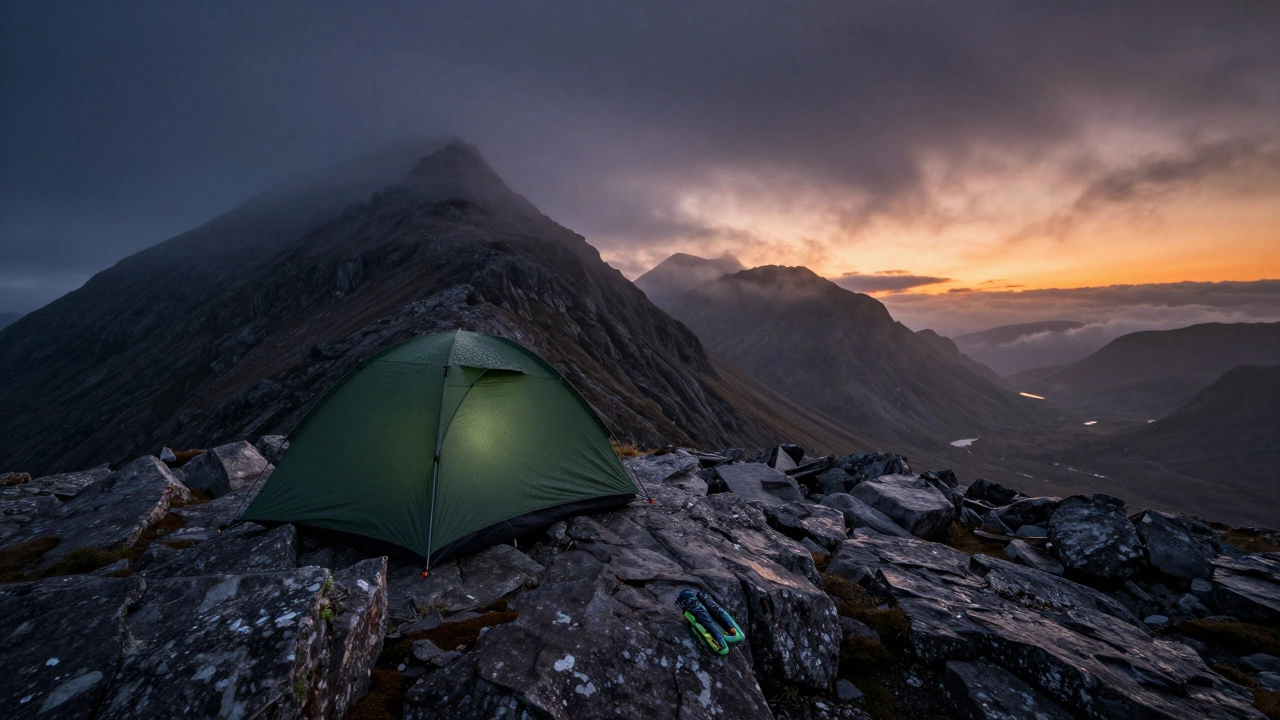
Imagine standing at the summit of a rugged peak, the wind whipping around you, with nothing but sky above and rock below. It is the ultimate outdoor fantasy. But as the sun sets and temperatures drop, the question hits hard: where do you sleep? Can you just pitch your tent right there on the mountain in the UK?
The short answer is complicated. The long answer depends entirely on which part of the UK you are standing in. If you are in Scotland, the northernmost country of the United Kingdom known for its liberal access rights and rugged Highlands, you likely can. If you are in England, the largest constituent country of the UK where private property rights strictly limit overnight stays, you probably cannot without permission. Wales and Northern Ireland sit somewhere in between, with their own specific nuances.
This confusion trips up many travelers. One wrong move could mean a fine, an eviction by police, or ruining the landscape for others. Here is exactly what you need to know before you pack your sleeping bag for a British mountain adventure.
Scotland: The Holy Grail of Wild Camping
If your dream is to wake up under the stars on a Scottish peak, you are in luck. Scotland operates under the Land Reform (Scotland) Act 2003, legislation that codifies the ancient right to roam and allows responsible wild camping on most land. This law grants everyone the right to access almost all land and inland water for recreation, including wild camping.
You do not need to ask the landowner for permission to pitch your tent on a hillside or near a loch. However, "right" does not mean "license to behave badly." The core principle is responsibility. You must leave no trace. This means taking all your rubbish away, avoiding damage to vegetation, and keeping noise down.
There are limits, though. You generally should not camp in fields used for crops or livestock, nor within close proximity to houses if it disturbs residents. Also, while you can camp on mountains, you cannot set large fires. Most highland areas require gas stoves because open fires cause lasting scars on peatlands and pose wildfire risks. Stick to small, contained cooking fires if you must have flame, but a stove is safer and cleaner.
England and Wales: Private Property Rules Apply
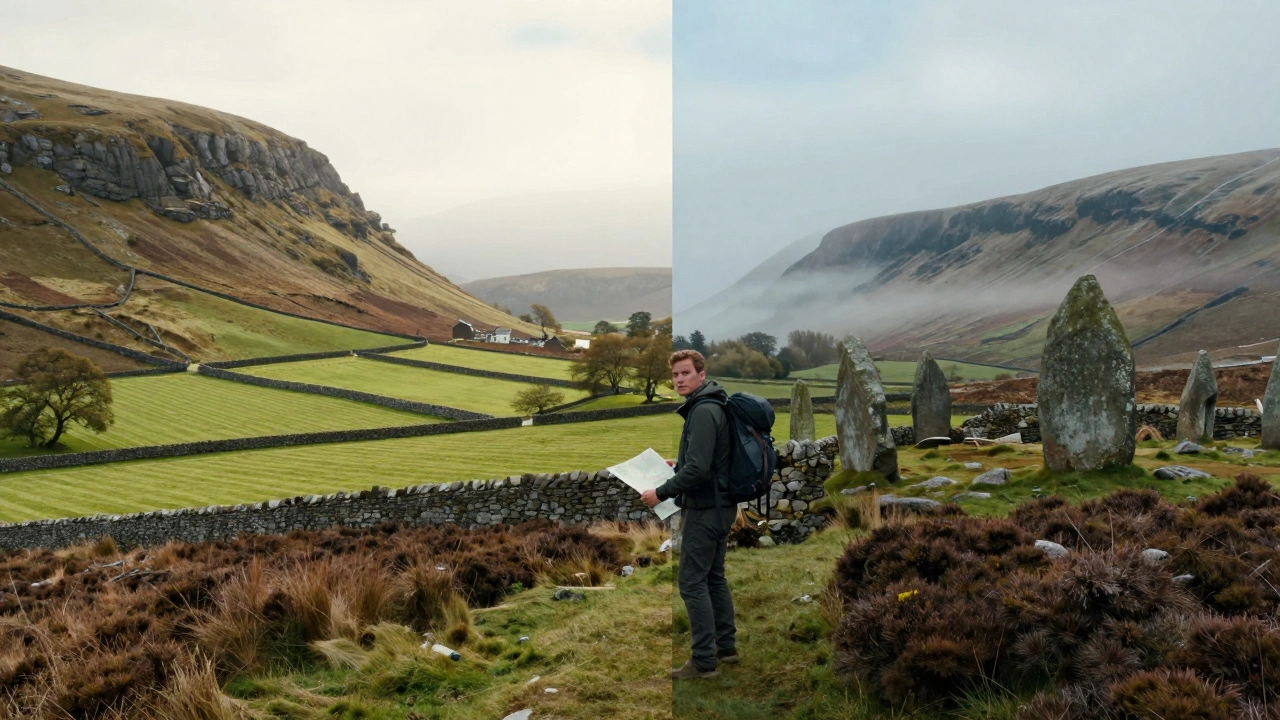
Cross the border into England or Wales, and the legal landscape shifts dramatically. There is no general right to wild camp here. Most mountainous terrain in these regions-such as the Lake District in England or Snowdonia in Wales-is privately owned, even if it looks like public wilderness.
In England, a jurisdiction where trespassing laws prohibit unauthorized overnight stays on private land, pitching a tent without permission is technically trespass. While police rarely arrest people for this unless there is conflict or environmental damage, landowners or their agents (like gamekeepers) can ask you to leave. Refusing can lead to removal by bailiffs or police.
Wales has introduced some changes through the Environment (Wales) Act 2016, legislation aimed at increasing public access to nature reserves and certain designated areas, but this does not grant a blanket right to wild camp on mountains. It focuses more on day-use access and specific nature conservation sites.
So, how do you camp legally in English or Welsh mountains? You have three main options:
- Book a designated campsite: Many national parks have official campsites with facilities. These are safe, legal, and often offer stunning views.
- Seek explicit permission: Some landowners allow wild camping if you contact them beforehand. This is common in remote areas where owners appreciate low-impact visitors.
- Use "Access Land": In England, certain areas mapped as "Access Land" allow daytime walking, but not usually overnight camping. Check local maps carefully.
National Parks: Special Considerations
National Parks in the UK are protected landscapes, not public domain. They span multiple countries and have their own management plans.
| National Park | Country | Wild Camping Allowed? | Key Restrictions |
|---|---|---|---|
| Loch Lomond & The Trossachs | Scotland | Yes, but restricted | Seasonal bans in popular zones; must use designated spots during peak times. |
| Lake District | England | No (generally) | Tight enforcement; book campsites well in advance. |
| Snowdonia | Wales | No (generally) | Private land dominates; seek permission or use campsites. |
| Pembrokeshire Coast | Wales | Limited | Some beaches allow wild camping outside summer months. |
| Cairngorms | Scotland | Yes | Must be away from roads and buildings; no fires. |
Note that Loch Lomond in Scotland recently tightened rules due to overcrowding. During summer months, wild camping is banned in certain hotspots, and you must use paid parking and designated camping areas. Always check current local regulations before heading out.
The Ethics of Wild Camping: Leave No Trace
Legal permission is only half the battle. The other half is ethical responsibility. Wild camping relies on goodwill. If campers abuse the privilege, authorities will clamp down, hurting everyone’s ability to enjoy the outdoors.
Follow these core principles:
- Be invisible: Pitch your tent away from trails and viewpoints. Use natural camouflage. Do not leave visible traces the next morning.
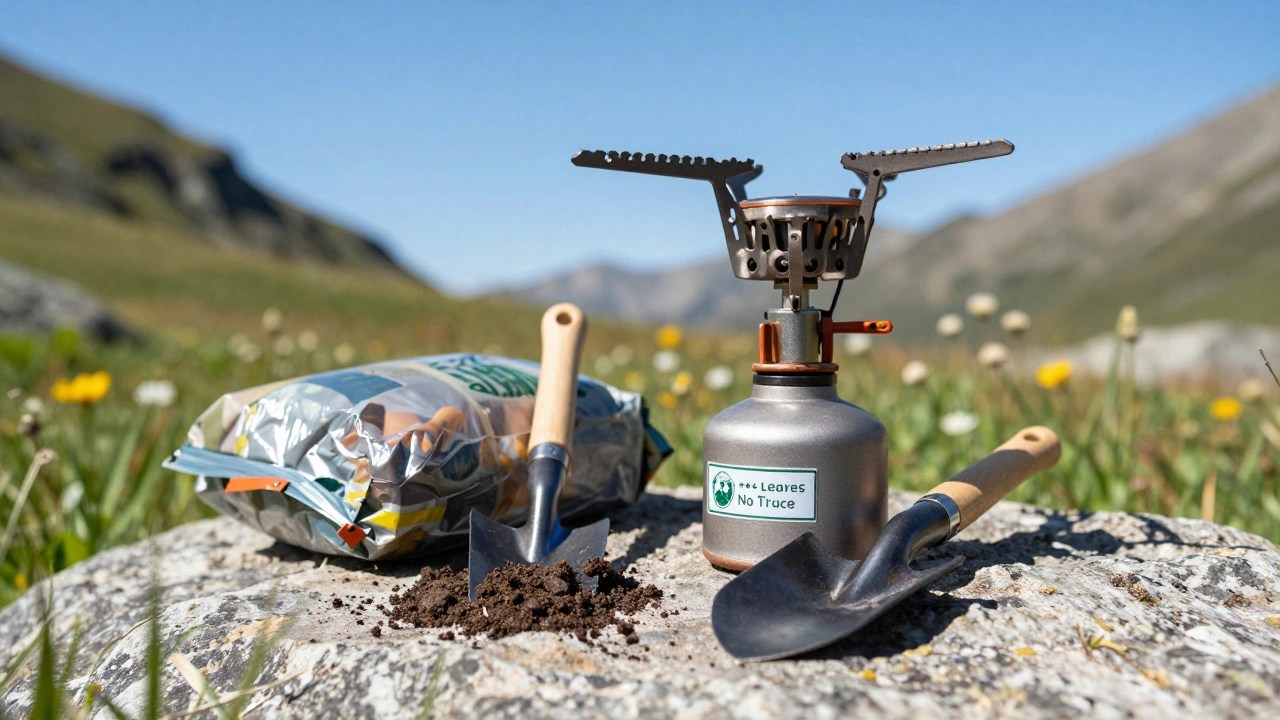
- Manage waste: Pack out everything you bring in, including toilet paper. Use trowels to bury human waste at least 6 inches deep, far from water sources.
- No fires: Use a camp stove. Open fires damage soil, kill roots, and create fire hazards. If you must have a fire, keep it tiny and extinguish it completely.
- Respect wildlife: Do not feed animals. Store food securely. Keep dogs on leads near livestock.
- Move on quickly: Stay one night max. Moving frequently reduces impact and spreads enjoyment among more people.
Practical Tips for Mountain Camping in the UK
Camping on mountains presents unique challenges beyond legality. Weather changes fast. Ground is often rocky or boggy. Here is how to prepare:
- Check weather forecasts: Mountain conditions can shift from sunny to stormy in minutes. Use reliable apps like Met Office or Windy.
- Choose flat ground: Look for small clearings or gentle slopes. Avoid riverbanks (flash flood risk) and ridges (lightning risk).
- Bring warm gear: Temperatures drop significantly at altitude. Even in summer, nights can be near freezing. Bring a rated sleeping bag and insulated mat.
- Navigation skills: GPS fails sometimes. Carry a map and compass. Know how to read contour lines.
- Inform someone: Tell a friend or family member your route and expected return time. Mobile signal is often nonexistent on peaks.
What Happens If You Get Caught?
In England and Wales, being asked to leave is the most common outcome. Police may issue a warning. Repeat offenses or aggressive behavior can lead to fines under the Anti-social Behaviour, Crime and Policing Act 2014. In extreme cases, vehicles can be impounded.
In Scotland, since wild camping is legal, you won’t get arrested for camping itself. However, if you break other laws-like causing pollution, damaging property, or refusing to leave private gardens-you can face penalties. The key is cooperation and respect.
Alternatives to Wild Camping
If wild camping feels too risky or complex, consider these alternatives:
- YHA Hostels: Youth Hostels Association offers affordable beds in historic buildings across the UK, including mountain huts.
- Bothies: In Scotland, bothies are basic mountain shelters maintained by the Mountain Bothies Association. Free to use, but you must bring your own bedding and fuel.
- Bivvy bags: Some experienced campers use lightweight bivvys instead of tents. They are less visible and faster to set up, but still subject to the same legal rules.
- Designated campsites: Organizations like Wild燕 Camping or local council sites offer legal, low-cost options with toilets and showers.
Is wild camping illegal in England?
Yes, generally speaking. Wild camping on private land without permission constitutes trespass. While rarely prosecuted unless there is conflict or environmental damage, it is not a legal right as it is in Scotland.
Can I wild camp in the Lake District?
No, not legally. The Lake District is in England, where wild camping is prohibited on private land. You must book a designated campsite or obtain explicit permission from landowners.
Do I need a permit to wild camp in Scotland?
No, you do not need a permit for wild camping in Scotland under the Land Reform Act. However, you must follow responsible camping guidelines and respect seasonal restrictions in sensitive areas like Loch Lomond.
Can I build a fire when wild camping?
It is strongly discouraged. Open fires can damage fragile ecosystems and pose fire risks. Use a portable gas stove instead. If you must have a fire, keep it extremely small and ensure it is fully extinguished.
What should I do if a landowner asks me to leave?
Leave immediately and politely. Arguing can escalate the situation and lead to legal consequences. In Scotland, if you are camping responsibly on accessible land, you are unlikely to be asked to leave, but always respect requests.