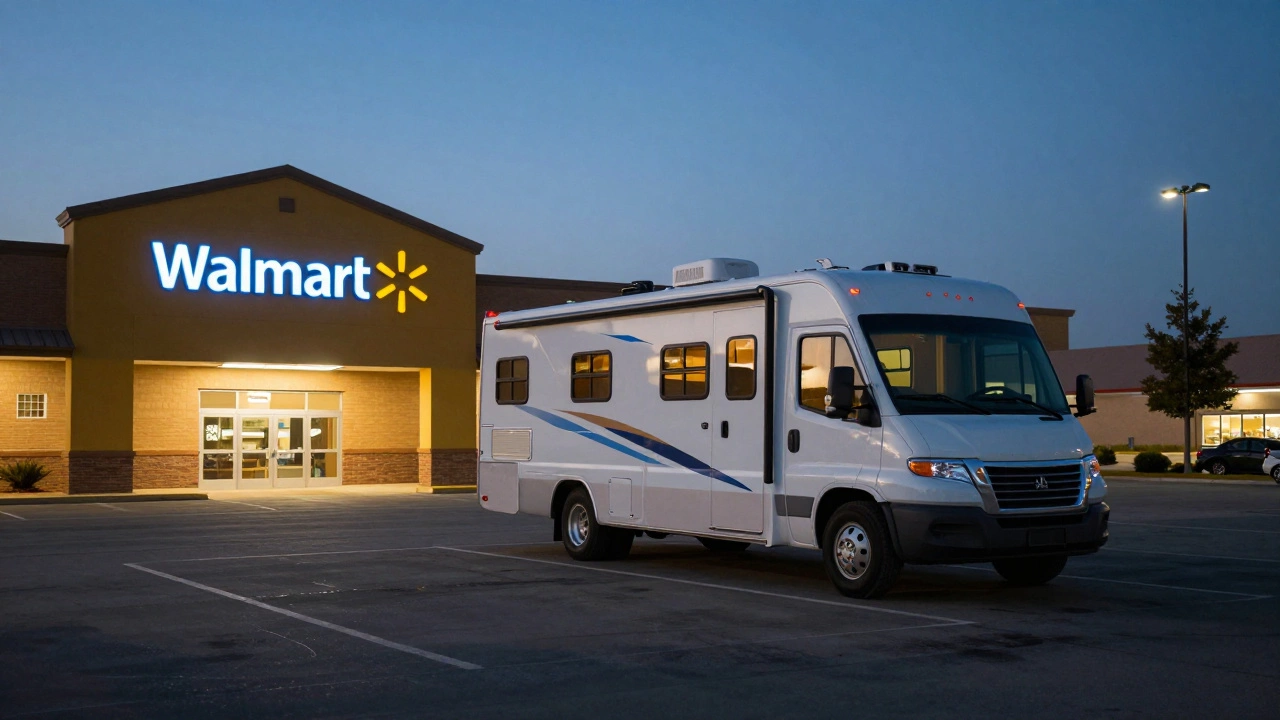
Walmart Boondocking Safety & Etiquette Checker
Enter your trip details to see the analysis.
Picture this: you’ve been driving your motorhome for ten hours. Your back is aching, the sun has set, and your bank account is lighter than you’d like after another night at a paid campground. You spot the bright yellow sign of a Walmart with its spacious parking lot. It’s quiet. It’s empty. And it’s free. But before you pull in, a nagging question pops into your head: Is boondocking at Walmart actually safe?
The short answer is yes, but with major caveats. For decades, Walmart has been the unofficial sanctuary for RVers, truckers, and road trippers looking for a free place to sleep. However, the landscape has shifted significantly since the pandemic. Store policies vary wildly by location, local laws can override corporate goodwill, and safety depends almost entirely on where you park and how long you stay. If you’re planning to use Walmart as a stopover in 2026, you need to know the unwritten rules that keep you safe, legal, and welcome.
How Walmart Boondocking Actually Works
To understand the safety aspect, you first need to understand the arrangement. Walmart does not officially "allow" camping. There is no national policy that says every store must let you stay. Instead, the decision rests with the individual Store Manager. This creates a patchwork quilt of permissions across the country. Some managers welcome RVers because it brings foot traffic to the store. Others ban them due to liability concerns, noise complaints from neighbors, or simply because they don’t want their parking lot turned into a campground.
This decentralization is the root of most confusion. You might have had a great experience at a Walmart in Ohio, only to be asked to leave immediately at a Walmart in Florida. The key isn’t assuming permission; it’s asking for it. Safety starts with legitimacy. When you have explicit permission from the manager, you are less likely to be harassed by security or police, and more likely to have support if something goes wrong.
Safety Factors: Location, Location, Location
Not all Walmarts are created equal when it comes to safety. The environment around the store plays a huge role in your peace of mind. Urban locations tend to be safer than rural ones, despite what you might expect. Why? Because urban Walmarts often have higher foot traffic, better lighting, and nearby businesses that keep the area active late into the night. A Walmart in a dense suburb usually feels more secure than an isolated one on the edge of town.
However, high-traffic areas come with their own risks. Theft is the primary concern. While violent crime against RVers at Walmarts is rare, opportunistic theft-like someone breaking a window to grab a laptop or leaving the vehicle running-is possible. Always lock your doors, keep valuables out of sight, and consider using steering wheel locks or tire alarms. Rural Walmarts offer solitude but may lack emergency services or witnesses if trouble arises. In these cases, trust your gut. If the area feels sketchy, find another spot.
The Unwritten Rules of Etiquette
Your safety and welcome status depend heavily on how you behave. Walmart employees and other customers aren’t used to having a residential community in their parking lot. Breaking etiquette can get you kicked out fast, and potentially flagged as a trespasser. Here are the non-negotiables:
- No setting up camp. Do not put out chairs, tables, grills, or awnings. You are parking, not camping. Keep everything inside the RV.
- Keep it quiet. No loud music, shouting, or early-morning coffee rituals outside. Respect the neighbors and the store staff.
- Shop at the store. This is crucial. Make a meaningful purchase. Buy groceries, supplies, or snacks. Show the manager that your presence benefits their business.
- Don’t dump anything. Never dump gray water, black water, or trash in the parking lot. Use proper facilities elsewhere.
- Limit your stay. One night only. Arrive after opening hours and leave before the store opens the next day. Overnight stays are for sleeping, not living.
Following these rules shows respect and reduces the chance of conflict. Most issues arise when RVers treat the parking lot like a full-service campground. Remember, you’re a guest in a retail space, not a customer at a campsite.

Legal Risks and Local Ordinances
Even if the store manager says yes, the city might say no. Many municipalities have strict ordinances against sleeping in vehicles in public or private parking lots. These laws are enforced differently depending on the region. In some cities, police will issue citations or tow vehicles found parked overnight in commercial lots. In others, enforcement is lax unless there’s a complaint.
Before pulling in, check local regulations. A quick search for "overnight parking laws [City Name]" can save you a hefty fine. Also, look for signs posted in the parking lot. Signs prohibiting overnight parking are legally binding, regardless of what the manager tells you. If you see such a sign, do not risk it. The safety of your trip includes financial safety-avoiding unexpected penalties.
How to Find Friendly Walmarts
Finding a Walmart that welcomes RVers requires a bit of detective work. Relying on outdated apps or forums can lead to disappointment, as policies change frequently. Here’s a practical approach:
- Call ahead. Ask for the store manager directly. Be polite and explain you’re just looking for a safe place to sleep for one night. Gauge their tone. If they hesitate or sound unsure, move on.
- Use recent reviews. Check Google Maps or Yelp for recent comments mentioning "RV," "motorhome," or "overnight." Look for posts from the last six months.
- Look for visual cues. When you arrive, look for other RVs. If you see a few parked quietly without being bothered, it’s likely a friendly location. If security is actively patrolling and shooing people away, leave immediately.
- Join local groups. Facebook groups for RVers in specific regions often share real-time updates on which stores are still welcoming.
Building a mental map of friendly spots saves time and stress. Once you identify a reliable location, note it down for future trips. Consistency helps you plan safer routes.
Alternatives to Walmart Boondocking
If Walmart doesn’t feel right, you have other options. The rise of digital platforms has made finding safe, legal overnight parking easier than ever. Consider these alternatives:
| Option | Cost | Safety Level | Amenities | Best For |
|---|---|---|---|---|
| Walmart | Free (with purchase) | Moderate | None | Budget travelers, quick stops |
| iOverstay / Hipcamp | $5-$30/night | High | Varies (sometimes water/electric) | Privacy seekers, longer stays |
| Rest Areas | Free | High | Lighting, restrooms | Truckers, short naps |
| Cracker Barrel | Free (with purchase) | High | None | Dinner + sleep combo |
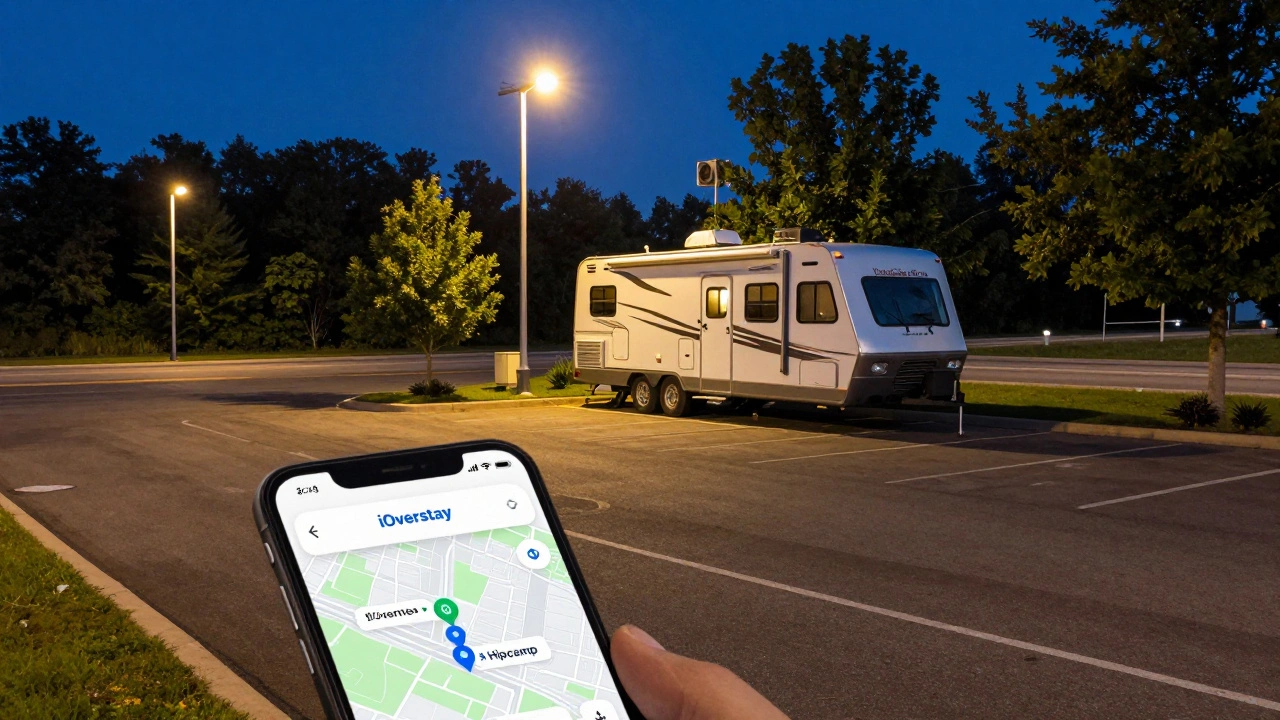
Apps like iOverstay connect you with homeowners who rent out driveways specifically for RVs. These spots are often quieter and safer than busy parking lots. Cracker Barrel restaurants also have a long-standing tradition of allowing overnight parking, provided you eat dinner there. Rest areas along interstate highways are designed for drivers to rest, making them a legal and safe option for short sleeps. Diversifying your strategy ensures you always have a backup plan.
Preparing for the Night
Safety isn’t just about where you park; it’s about how prepared you are. Before heading to any Walmart, take these steps:
- Tell someone your plans. Share your location and expected departure time with a friend or family member.
- Check your surroundings. Upon arrival, walk around the perimeter. Note exits, lighting, and potential hazards.
- Secure your vehicle. Lock all doors, close windows, and engage stabilizers if needed. Park near well-lit areas but not directly under cameras if privacy is a concern.
- Have an exit strategy. Know how you’ll leave quickly if you feel unsafe. Keep your keys accessible and your engine ready to start.
Preparation turns uncertainty into confidence. You don’t need expensive gear, just common sense and awareness.
Can I stay at Walmart for more than one night?
Generally, no. Most managers expect a one-night stay only. Staying longer increases the risk of being asked to leave or facing legal issues. Always confirm with the manager, but assume one night is the limit.
What should I do if a police officer asks me to leave?
Comply immediately and politely. Arguing can escalate the situation. Ask if there’s a specific reason, but don’t challenge their authority. Move to a legal parking spot or rest area.
Is it safe to cook outside at Walmart?
No. Cooking outside violates most store policies and fire codes. Keep all cooking inside your RV to avoid smoke detectors, odors, and safety hazards.
Do I need to buy something specific?
There’s no official minimum, but buying groceries or supplies is expected. It demonstrates goodwill and supports the store’s revenue. Avoid buying just a soda and expecting a full night’s hospitality.
Are there Walmarts that explicitly ban RVs?
Yes. Many stores in urban centers, historic districts, or areas with strict zoning laws prohibit overnight parking. Always call ahead to avoid wasting time and fuel.