UK Woodland Living Feasibility Checker
Answer the questions below to see how likely it is that you can legally reside in a woodland setting without facing eviction or enforcement action.
Key Factors:
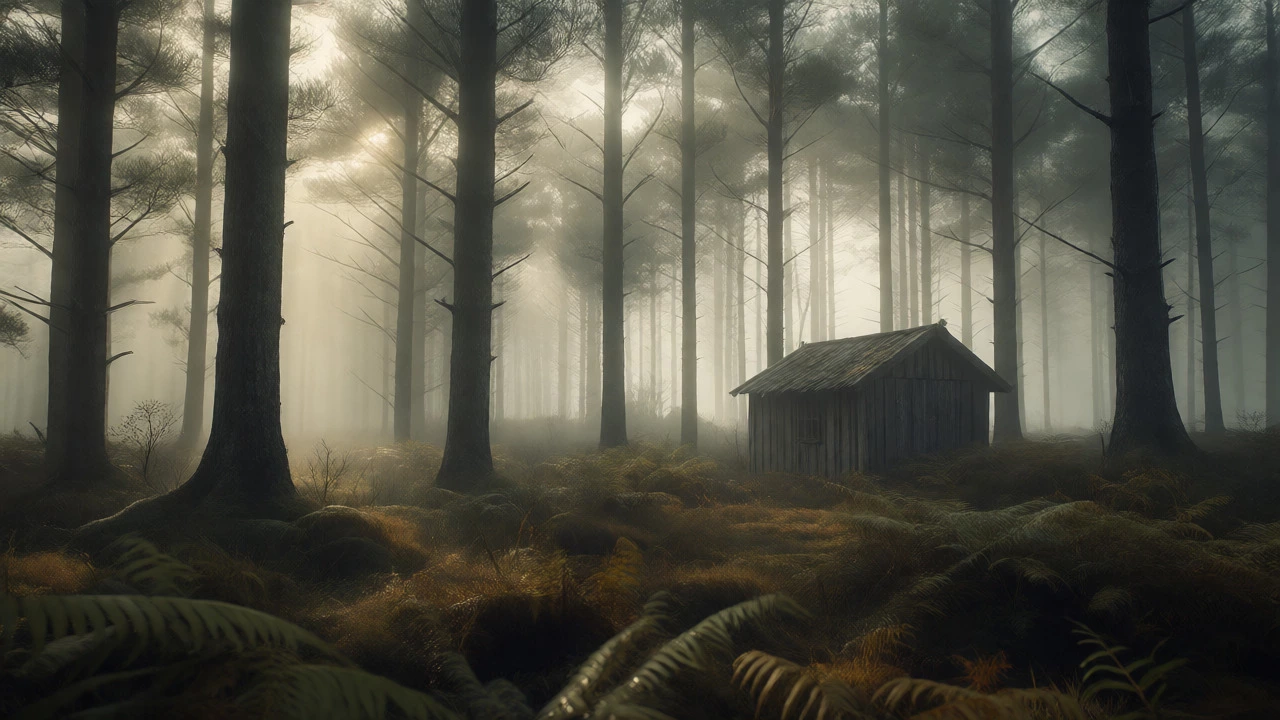
You wake up to birdsong instead of an alarm. The smell of damp earth and pine needles replaces stale apartment air. You step outside your tent or tiny cabin into a misty morning that feels like it belongs in a storybook. It’s a dream shared by thousands: escaping the concrete jungle for a life among the trees. But here is the cold splash of reality-can you actually live in the woods in the UK without getting fined, evicted, or arrested?
The short answer is complicated. The long answer involves a patchwork of laws, ancient rights, and modern zoning rules that differ wildly depending on whether you’re standing in Scotland, England, Wales, or Northern Ireland. Before you sell your car and buy a tarp, you need to understand what “living” means legally versus what “camping” means practically.
Scotland: The Land of Opportunity
If you want to make a legal home in the forest, start your search north of the border. Scotland is the only part of the UK with comprehensive public access rights enshrined in law. The Land Reform (Scotland) Act 2003 created the "Right to Roam," allowing people to be on most land and inland water for recreation and education, provided they act responsibly.
This doesn’t mean you can park a static caravan in someone’s backyard indefinitely. However, the Scottish Outdoor Access Code provides clear guidelines on responsible behavior. While temporary wild camping is widely tolerated under these rights, establishing a permanent residence usually requires more than just good intentions.
- Temporary vs. Permanent: You can camp for nights, weeks, or even months if you move regularly and leave no trace. Living there year-round often triggers "change of use" regulations.
- Planning Permission: If you build a structure (even a shed or yurt), you likely need planning permission from the local council. Without it, you are at risk of enforcement action.
- Community Land Trusts: Many aspiring woodland dwellers join community groups that manage forests. These trusts sometimes offer plots for low-cost eco-housing projects, bypassing some private ownership hurdles.
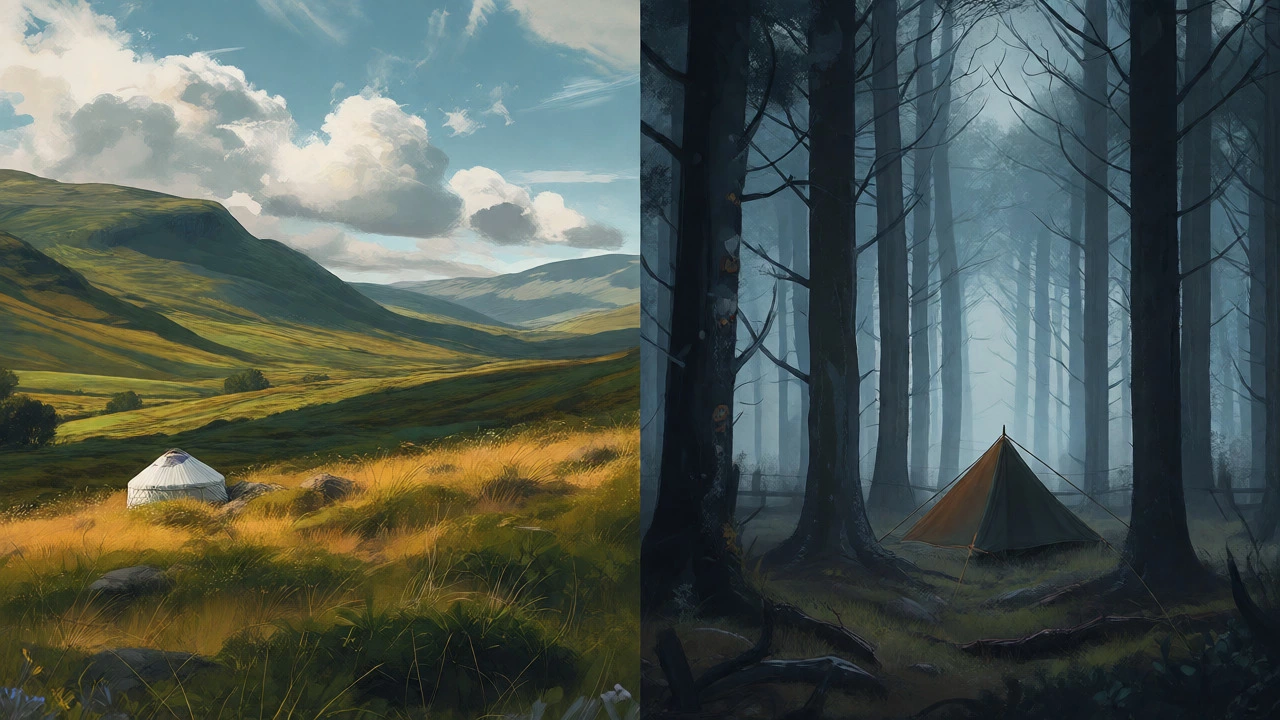
In practice, many people live in the Scottish Highlands in yurts or shepherds' huts. They often negotiate informal agreements with landowners or lease small parcels of land. It’s not free, but it’s far more accessible than anywhere else in Britain.
England and Wales: The Ownership Maze
Cross the border into England, and the vibe changes instantly. There is no general right to roam. Most woodlands are privately owned, even if they look public. The Forestry Commission manages about 10% of English woodlands, but the rest belong to individuals, charities like the National Trust, or utility companies.
Technically, setting up a tent on private land without permission is trespass-a civil wrong, not a criminal offense (unless you ignore police instructions). But living there is different. If you stay put, you’re not just visiting; you’re occupying. This raises two major issues:
- Trespass: A landowner can ask you to leave. If you refuse, they can get a court order. Repeat offenses can lead to criminal charges under recent anti-social behavior laws.
- Planning Laws: Using land for residential purposes requires planning permission. You cannot simply decide your hammock spot is now your "dwelling." If you have a permanent structure, you definitely need permission. Even with a mobile home, if it becomes your primary address, councils may demand approval.
Some people try to skirt this by staying under the radar. They move their tent every few days, never staying in one spot long enough to establish residency. This works for survivalists or those between leases, but it’s exhausting. You spend more time packing up than enjoying nature.
| Region | Right to Roam | Wild Camping Tolerance | Permanent Residence Feasibility |
|---|---|---|---|
| Scotland | Yes (Land Reform Act 2003) | High (if responsible) | Moderate (requires planning/lease) |
| England | No (Private property rights dominate) | Low (depends on landowner) | Low (strict planning laws) |
| Wales | Partial (Access Rights similar to England) | Low to Moderate | Low |
| Northern Ireland | No formal right | Very Low | Very Low |
The "Gypsy, Traveller, and Showman" Loophole
Historically, nomadic communities had specific rights to stop on common land. Today, the Gypsy and Traveller Accommodation Assessment dictates how much land is designated for these groups. If you aren’t ethnically Romany or Irish Traveller, claiming this status just to avoid rent won’t hold up in court. However, some rural areas have surplus pitches that are hard to fill. Occasionally, locals might let you pitch up for a fee, but this is informal and precarious.
For non-travellers, the closest equivalent is buying a plot of land and placing a caravan on it as a temporary dwelling while seeking planning permission for a house. This is a popular hack in places like Devon or Cornwall. You pay for the land, register the caravan as your address, and hope the council grants permission eventually. It’s risky. Councils often reject applications if they deem the site unsuitable for housing due to lack of services like sewage or electricity.
Practical Challenges Beyond the Law
Let’s assume you find a sympathetic landowner who lets you stay, or you navigate the Scottish loopholes. Now you face the physical reality of woodland life. It’s not just about freedom; it’s about logistics.
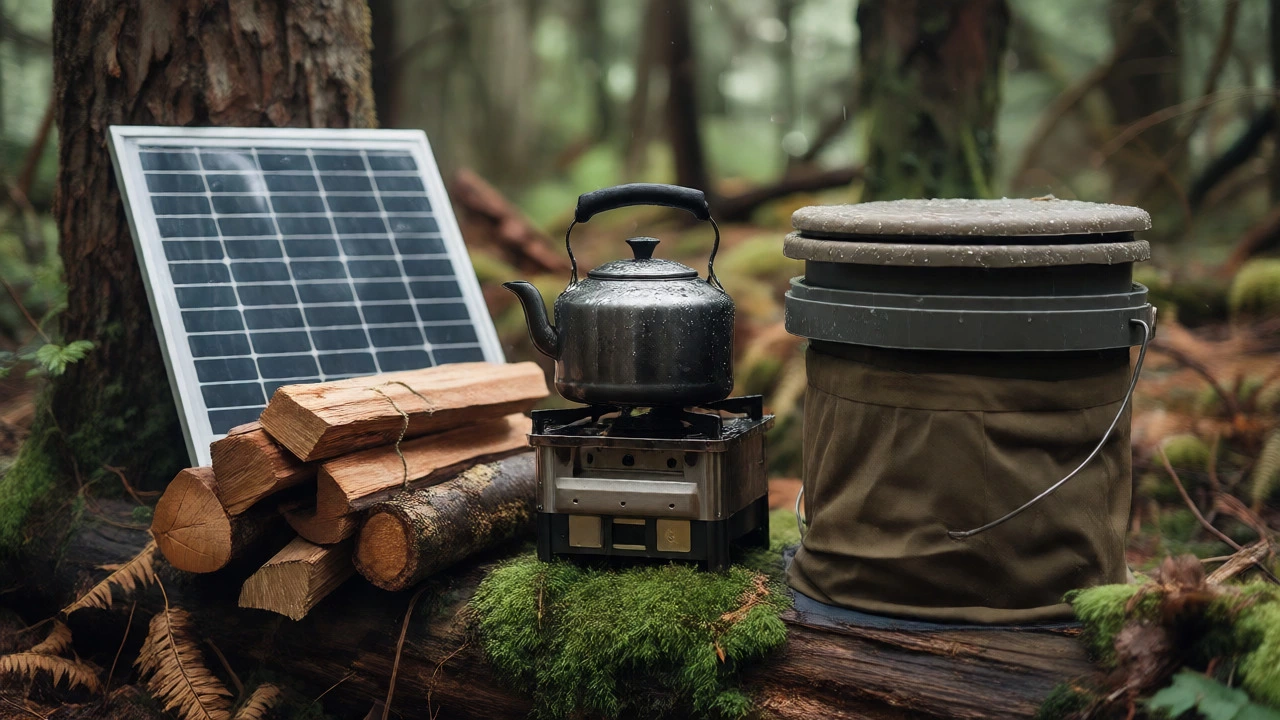
Water and Sanitation: You can’t just pee behind a bush forever. In winter, streams freeze. Rainwater harvesting is unreliable during droughts. You’ll need a composting toilet, which requires regular emptying. If you’re remote, where do you dump waste? Carrying buckets down muddy trails gets old fast.
Heating and Cooking: Wood burns hot, but gathering fuel takes hours. Wet wood smokes and produces creosote, clogging stoves. You need dry storage space, which is hard to keep in a tent. Gas canisters run out quickly in cold weather. Solar panels struggle under dense tree canopies. You might end up spending more on propane and firewood than you saved on rent.
Safety and Security: Wild animals aren’t the biggest threat; humans are. Theft happens. So does vandalism. If you’re isolated, medical emergencies become complex. How long does it take an ambulance to reach your coordinates? Do you have phone signal? In deep valleys in Wales or the Lake District, you might be completely off-grid digitally.
How to Actually Make It Work
So, is it impossible? No. It just requires strategy. Here is how successful woodland dwellers operate:
- Buy Small Plots: Instead of renting, buy a fraction of an acre in less expensive regions (e.g., Northumberland, Cumbria, or parts of Scotland). Place a compliant eco-structure (like a shepherd’s hut) that meets building regs. This gives you legal tenure.
- Join a Community: Look for eco-villages or intentional communities. Places like Llamwenog in Wales or Findhorn in Scotland offer established frameworks for sustainable living. You share resources, labor, and liability.
- Lease from Farmers: Many farmers have marginal land they don’t farm. Offer to help with chores (fencing, lambing, clearing bracken) in exchange for pitching a tent or placing a yurt. Get it in writing, even if it’s a simple letter.
- Go Mobile: Keep moving. Spend three nights here, three nights there. Use apps like Pitchup! to find farms that allow overnight stays. This keeps you technically "visiting" rather than "residing," avoiding planning scrutiny.
Remember, the romantic idea of solitary isolation often clashes with the human need for connection. Most people who try this burn out within six months because of loneliness or logistical fatigue. The ones who stick around usually have a community nearby or a very clear plan for income generation (remote work, seasonal jobs).
Costs: Is It Really Cheaper?
People assume living in the woods saves money. Often, it costs more. Why?
| Expense | City Apartment | Woodland Setup |
|---|---|---|
| Rent/Land Lease | £800 - £1,500 | £0 - £400 (if informal) |
| Utilities (Gas/Elec) | £150 | £100 (Propane/Solar maintenance) |
| Fuel (Wood/Gas) | Included | £50 - £100 |
| Transport | £100 (Public/Car) | £150+ (Longer commute, vehicle wear) |
| Total | ~£1,050 | ~£400 - £750 |
You save on rent, yes. But you lose on time and equipment replacement. Tents tear. Stoves break. Trucks need repairs after driving on rough tracks. Factor in the cost of gear upgrades annually, and the savings shrink.
Final Verdict
Can you live in the woods in the UK? Yes, but rarely as a solo outlaw. In Scotland, you have the best shot at legal, semi-permanent residence through community schemes or purchased plots. In England and Wales, you’re mostly looking at short-term camping or expensive hacks involving land purchases and planning battles.
If you’re serious, start small. Don’t quit your job and buy a van tomorrow. Go camping for a week in November. See if you can handle the damp, the darkness, and the inconvenience. If you still love it, research local landowners. Talk to them. Ask questions. The key isn’t hiding in the trees-it’s negotiating a place to stand among them.
Is wild camping legal everywhere in the UK?
No. It is explicitly legal and protected in Scotland under the Right to Roam. In England and Wales, it is generally illegal without landowner permission, though often tolerated in remote areas like Dartmoor and the Lake District if you follow strict "leave no trace" principles.
Do I need planning permission to live in a yurt in the woods?
If the yurt is used as a temporary shelter for camping, usually no. If it is used as a permanent dwelling (your main home), you typically need planning permission for change of use. Rules vary by local council, so always check before moving in permanently.
Can I register my address if I live in a tent?
It is difficult. Banks, employers, and government agencies usually require a postal address. Some people use a friend's address or a PO Box service. Living without a registered address can cause issues with voting, taxes, and receiving official mail.
What is the safest way to find land to live on?
The safest method is purchasing a small plot of land with existing planning consent or joining a recognized eco-community. Informal agreements with farmers are cheaper but carry higher risks of eviction if relationships sour or land is sold.
Are there any restrictions on burning wood in the woods?
Yes. You should only burn dead, fallen wood. Cutting live trees is damaging and often prohibited. In some conservation areas, open fires are banned entirely due to wildfire risk. Always use a contained stove rather than an open bonfire to minimize impact.