Bass Lake Camping Cost Estimator
Estimate your total trip expenses based on current rates from public and private campgrounds near Bass Lake.
Optional Add-ons & Hidden Costs
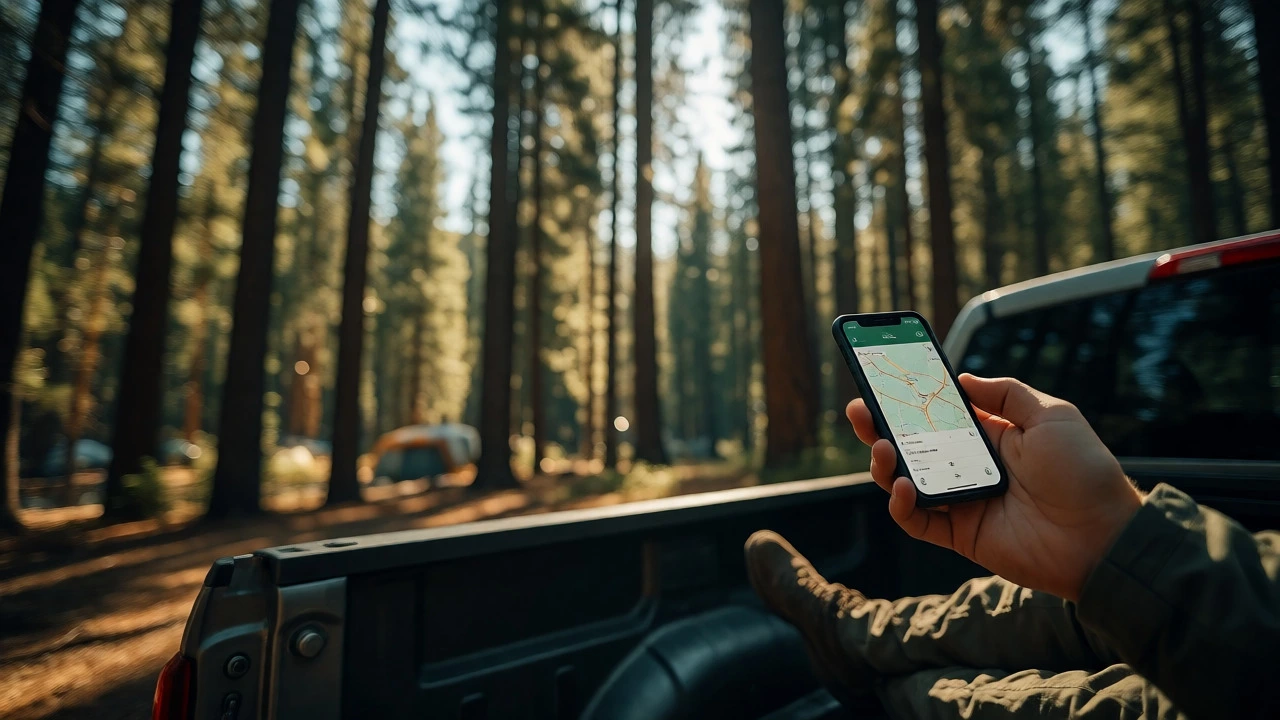
You’ve got the map open, the cooler is packed, and you’re staring at a screen full of booking sites for Bass Lake. But before you hit "confirm," there’s one question that stops most campers in their tracks: what is this actually going to cost? It’s not just about the nightly rate. Between reservation fees, vehicle passes, and the sheer variety of options-from free forest spots to lakeside luxury-the price tag can swing wildly depending on where you pitch your tent.
Here’s the reality: Bass Lake isn't a single campground with one price list. It’s a region surrounded by multiple land managers, including the U.S. Forest Service, private resort operators, and state park systems. Each has its own pricing structure, rules, and hidden extras. If you assume every site costs the same, you might end up paying double for a spot that doesn’t even have water hookups, or worse, get turned away because you didn’t factor in the mandatory day-use fee when you arrive.
The Quick Breakdown: What You’ll Actually Pay
If you want the numbers without the fluff, here is the current landscape for Bass Lake camping costs. Prices fluctuate based on season (peak summer weekends are pricier) and site type (standard non-electric vs. full hookup). Note that these figures reflect standard rates as of late 2026; always check for dynamic pricing changes closer to your travel date.
| Campground Type | Manager | Tent/Site Rate (Nightly) | RV/Electric Site Rate | Reservation Fee |
|---|---|---|---|---|
| Chowchilla River Campground | US Forest Service | $18 - $22 | N/A (No Hookups) | $8 per reservation |
| Pine Point Campground | US Forest Service | $20 - $25 | N/A (No Hookups) | $8 per reservation |
| Lake View Resort | Private | $45 - $60 | $75 - $95 | Varies / Often waived |
| Wishon Community Park | County/Public | $25 - $35 | $40 - $50 | $5 - $10 |
| Dispersed Camping | Sierra NF | $0 | $0 | $0 (Need Pass) |
Public Land Options: The Budget-Friendly Route
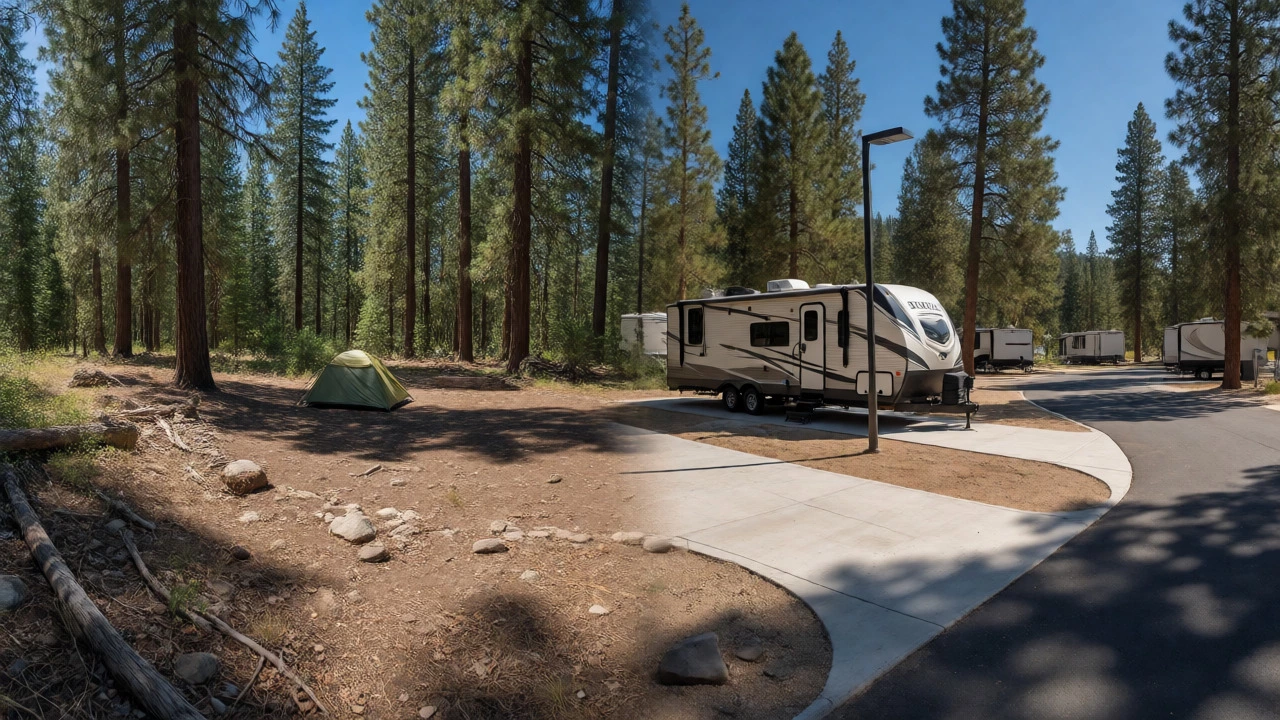
Most people looking for value head straight for the Sierra National Forest. This is where you find the classic national forest experience: pine trees, dirt pads, and no electric hookups. Campgrounds like Chowchilla River and Pine Point are managed by the U.S. Forest Service. They are basic, clean, and significantly cheaper than private resorts.
But here’s the catch nobody tells you upfront: availability. These public sites fill up months in advance during summer weekends. If you try to book a Friday night in July via Recreation.gov less than two weeks out, you’re likely looking at empty slots only on weekdays or deep into August. When you do book, expect to pay around $20-$25 per night. Add an $8 transaction fee, and suddenly that "cheap" trip isn’t quite so cheap if you’re staying multiple nights.
Do you really need a reservation? For dispersed camping-where you pull off the road onto a designated flat area-you don’t. This is free, but it requires self-reliance. You pack in water, pack out trash, and follow the 14-day stay limit. Just remember: while the site is free, you still need a valid pass if you’re using certain developed areas or trails nearby.
Private Resorts: Convenience Comes With a Price Tag
If you hate hiking from your car to the bathroom or want hot showers without queuing, private campgrounds are your best bet. Places like Lake View Resort or Ridgecrest RV Park offer amenities that public lands simply don’t. We’re talking laundry facilities, Wi-Fi (sometimes), dog parks, and direct lake access.
The trade-off? Cost. Expect to pay nearly double-or triple-what you’d pay at a Forest Service site. A standard tent site might run $50-$60, while a full-hookup RV spot can hit $90+. Is it worth it? If you’re traveling with young kids who need immediate access to restrooms, or if you’re renting an RV and need reliable power, yes. The convenience saves time and stress. Plus, many private resorts allow pets more liberally than some sensitive wildlife zones in the national forest.
Watch out for "resort fees." Some private operators add a mandatory amenity fee of $5-$10 per night on top of the site rate. Always read the fine print before confirming. Ask specifically: "Does this price include all taxes and facility fees?"
Hidden Costs: The Fees That Surprise People
The nightly rate is just the beginning. To get the true total cost of your trip, you must account for these additional expenses:
- Vehicle Entry Passes: If you plan to hike, swim, or picnic at developed lake areas outside your campsite, you may need a day-use fee. While camping itself covers entry to the campground, leaving your site to explore other parts of the lake often triggers separate charges.
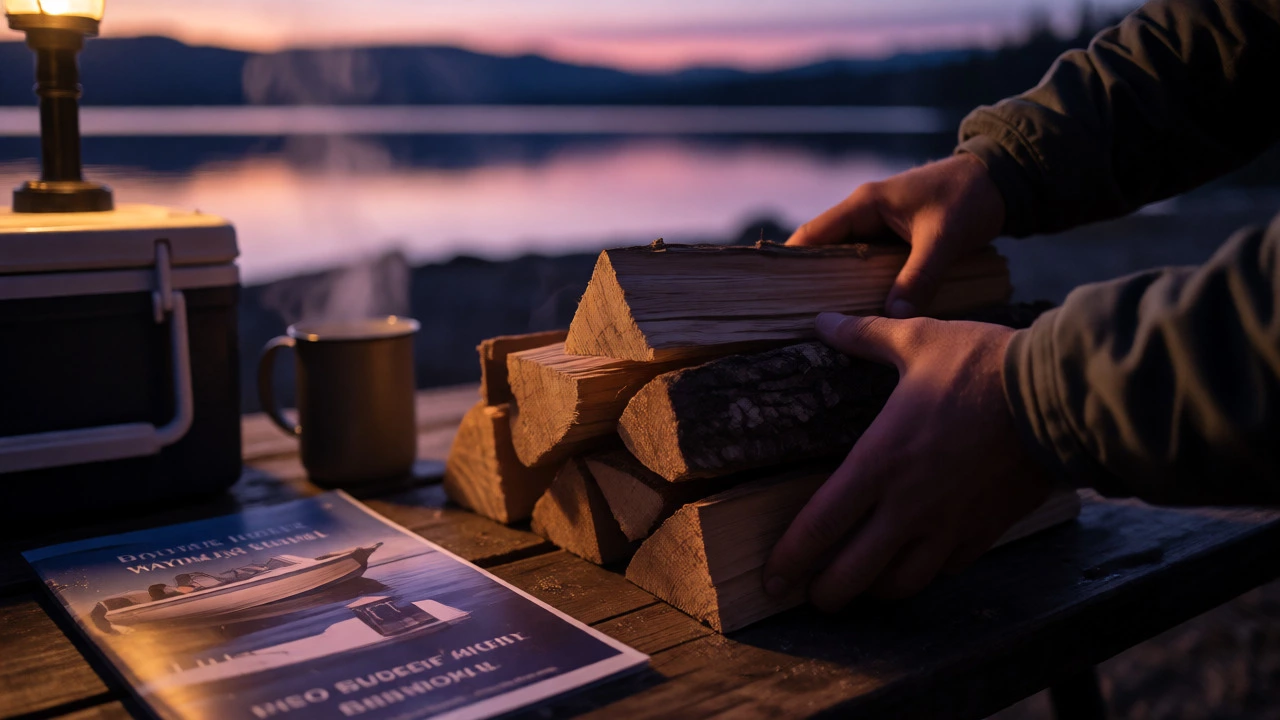
- Firewood: Buying wood locally is crucial to prevent invasive pests. At campgrounds, bundles cost $8-$12. Bring your own if allowed, but check current fire restrictions first. During high-risk seasons, fires may be banned entirely, saving you money but changing the vibe.
- Propane & Ice: If you aren’t bringing enough ice, buying it at local stores near Bass Lake is convenient but pricey. Propane refills at campgrounds often carry a markup compared to big-box stores in Fresno or Oakhurst.
- Boat Rentals: Bass Lake is famous for fishing. Renting a boat adds $50-$100+ per day. Factor this into your daily budget if boating is part of your plan.
Seasonal Variations: When to Go for the Best Deal
Timing your trip can save you hundreds. Peak season runs from Memorial Day through Labor Day. Prices are highest, crowds are thickest, and reservations are hardest to snag. Shoulder seasons-late April/May and September/October-offer cooler temperatures, fewer bugs, and lower rates. Many private resorts drop prices by 20-30% during these windows.
Winter camping is another option. While some campgrounds close due to snow or maintenance, others remain open year-round. Rates are lowest, and you’ll have the lake almost to yourself. However, verify which facilities (showers, dump stations) are operational before booking. Cold nights require proper gear, but the silence of a snowy Sierra landscape is priceless.
How to Book Smart: Tips for Saving Money
Ready to lock in your dates? Follow these steps to avoid overpaying:
- Book Early for Public Sites: Set reminders for 6 months out. Recreation.gov releases inventory in blocks. Snagging a site early secures the best location and price.
- Compare Private vs. Public: Don’t assume private is always better value. Calculate the total cost including gas to reach remote public sites versus the convenience premium of private ones.
- Check Cancellation Policies: Life happens. Know if you can cancel for free up to 7 days prior. Some private resorts have strict non-refundable policies for peak dates.
- Consider Nearby Alternatives: If Bass Lake is booked solid, look at North Fork or Shaver Lake. They are within driving distance, offer similar scenery, and often have last-minute availability.
Frequently Asked Questions
Is there free camping near Bass Lake?
Yes, dispersed camping is free in designated areas of the Sierra National Forest surrounding Bass Lake. However, you cannot set up a permanent base camp, must follow Leave No Trace principles, and typically have a 14-day stay limit. Facilities like toilets and potable water are not available at these sites.
Do I need a reservation for Bass Lake campgrounds?
For popular public campgrounds like Chowchilla River and Pine Point, reservations are strongly recommended and often required during peak season (May-September). First-come, first-served sites exist but are rare and fill quickly. Private resorts usually accept walk-ins but recommend booking ahead for weekends.
What is the average cost for an RV site at Bass Lake?
RV sites with electrical hookups typically range from $75 to $95 per night at private resorts. Public Forest Service sites generally do not offer hookups, so they are priced similarly to tent sites ($20-$25) but accommodate smaller RVs. Full hookups (water/sewer/electric) are mostly found at private locations.
Are pets allowed at Bass Lake campgrounds?
Pets are generally allowed at both public and private campgrounds but must be leashed at all times (max 6 feet). Some private resorts have breed restrictions or additional pet fees ($5-$10 per night). Always check specific campground rules, as some sensitive wildlife areas prohibit pets entirely.
Can I buy firewood at Bass Lake campgrounds?
Yes, most campgrounds sell firewood locally to prevent the spread of invasive insects. Expect to pay $8-$12 per bundle. Bringing wood from outside the region is often prohibited or discouraged. Check current fire restrictions, as burning may be suspended during drought conditions.