Glamping Experience Matcher
Not sure which luxury outdoor stay is right for you? Select the factors that matter most for your trip to find your ideal match!
1. What is your priority?
2. What is the weather like?
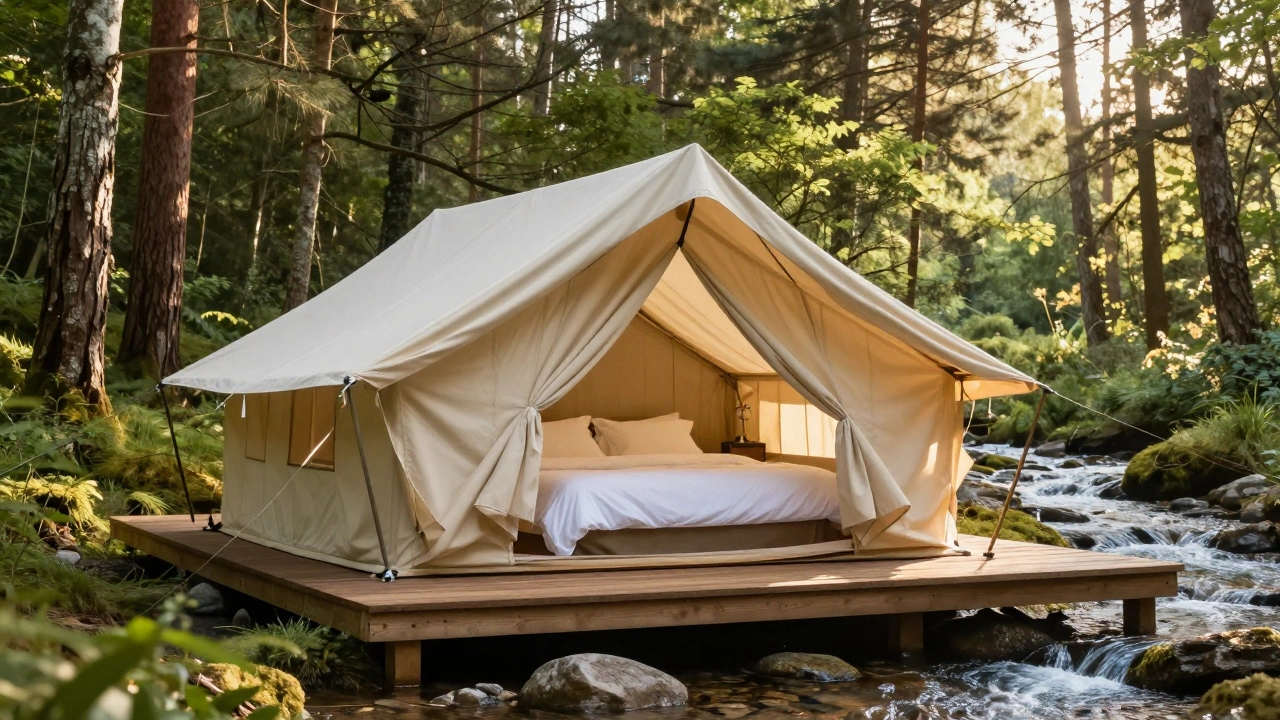
The Safari Tent
The classic glamping experience. Perfect for those who want a touch of adventure with maximum comfort.
Quick Takeaways
- Glamping blends "glamorous" and "camping" for a high-comfort outdoor stay.
- It provides pre-built structures like safari tents, yurts, and treehouses.
- Unlike traditional camping, you don't need to carry gear or set up your own shelter.
- It targets people who love nature but hate the roughing-it part of traditional trips.
Defining the Glamping Experience
At its simplest, a glamping site is a destination that offers luxury outdoor accommodations, combining the experience of nature with the amenities of a hotel. The term itself is a portmanteau of "glamorous" and "camping." While traditional camping is about self-reliance and minimalism, glamping is about curation and comfort. You aren't just renting a plot of land; you're booking a designed space.
If you've ever stayed in a hotel room that happens to be shaped like a bubble or a wooden pod in the woods, you've experienced glamping. It removes the "work" from the wilderness. You don't have to worry about whether your tent stakes will hold in a storm or if you've forgotten the mallet. The site operator handles the logistics, leaving you to focus on the scenery.
Glamping vs. Traditional Camping: What's the Difference?
The divide between these two comes down to effort and equipment. In traditional camping, your experience is defined by what you can carry. You're responsible for the shelter, the sleeping bag, and often the cooking method (usually a small gas stove or an open fire). It's a test of skill and endurance.
Glamping flips this script. Instead of bringing a tent, you arrive at a structure that is already standing. Instead of a sleeping bag, you have a mattress. Many boutique camping sites even include electricity, heating, and private bathrooms. You aren't fighting against the elements; you're observing them from a cozy, climate-controlled environment.
| Feature | Traditional Camping | Glamping |
|---|---|---|
| Accommodation | Personal tent or bivvy | Pre-built luxury structure |
| Bedding | Sleeping bag & pad | Real bed & linens |
| Setup Time | 30-60 minutes (or more) | Zero (instant check-in) |
| Facilities | Shared pit toilets/showers | Often private en-suite baths |
| Gear Needed | High (tent, stove, cooler) | Low (just your clothes) |
Common Types of Glamping Accommodations
Not all glamping sites are created equal. Depending on where you go, the structure can change the entire vibe of the trip. Some are focused on rustic charm, while others lean into futuristic architecture.
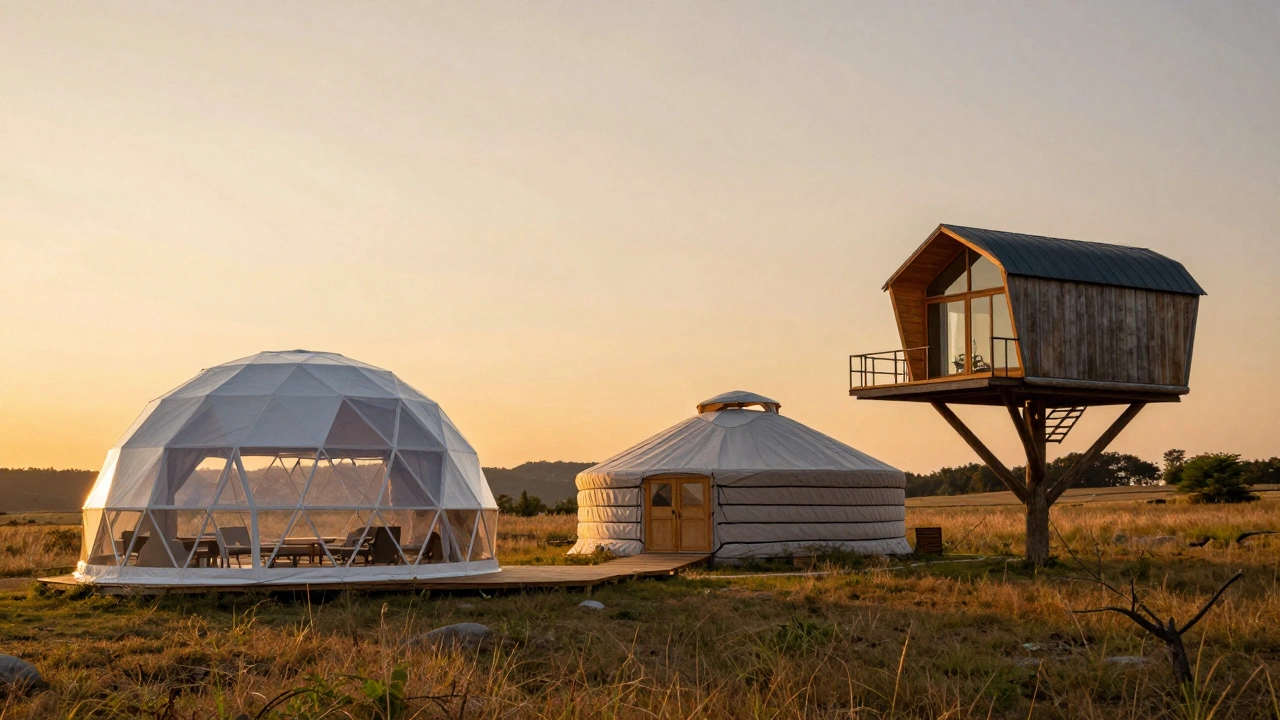
- Safari Tents is a style of large canvas tents often built on raised wooden platforms with real furniture and flooring. These are the gold standard for the classic glamping look, giving you that "out of Africa" feel but with the luxury of a plush sofa.
- Yurts are circular, reinforced tents based on traditional Central Asian nomadic dwellings. They are incredibly sturdy and often feel more like a permanent room than a tent, making them great for colder climates.
- Treehouses provide an elevated perspective, literally. Modern luxury treehouses often include wrap-around decks, glass walls, and sometimes even hot tubs, turning a childhood dream into a high-end retreat.
- Geodesic Domes use a triangular lattice structure to create a spherical space. Because they often have clear panels, they are perfect for stargazing without leaving your bed.
- Shepherd's Huts are small, cozy wooden cabins on wheels. They offer a tiny-home experience and are popular in the UK countryside for romantic getaways.
Who is Glamping For?
You might wonder if you're "cheating" by glamping. The truth is, it opens the outdoors to people who would otherwise never leave the city. Consider the person who suffers from chronic back pain-they can't sleep on the ground, so a hotel is their only option. Glamping gives them a way to be in the forest without sacrificing their health.
It's also a huge hit with families. Trying to convince a toddler to sleep in a tent during a rainstorm is a nightmare. Moving that same child into a cozy yurt with a warm heater changes the dynamic from a struggle for survival to a magical adventure. It's for the "outdoor-curious"-people who want the aesthetic and the fresh air of the wilderness but want a hot shower at the end of the day.
What to Expect When Booking a Site
When you browse for a glamping site, don't assume everything is included. There is a wide spectrum of "luxury." Some sites are simply "canvas plus a bed," while others are full-service resorts with concierge services and gourmet breakfast baskets delivered to your door.
Check for the "utility level." Does the site have a composting toilet, or is there a full porcelain bathroom? Is there a power outlet for your phone, or are you relying on solar lamps? Some of the most authentic glamping experiences keep the utilities minimal to maintain the nature feel, while others provide high-speed Wi-Fi and air conditioning. Knowing this beforehand prevents a surprise when you realize your "luxury tent" doesn't have a flushing toilet.
The Environmental Impact of Glamping
There's a common debate about whether glamping is "greener" than hotels. Because many glamping structures use natural materials like canvas, wood, and wool, they often have a lower carbon footprint than a concrete hotel building. Many operators focus on Sustainable Tourism, utilizing solar power and greywater recycling systems to minimize their impact on the land.
However, the popularity of these sites can lead to "over-tourism" in fragile ecosystems. The best sites are those that limit the number of guests and use low-impact foundations-like screw piles instead of concrete slabs-to ensure the ground remains undisturbed. When choosing a site, look for those that emphasize local sourcing and wildlife protection.
Is glamping more expensive than traditional camping?
Yes, significantly. Traditional camping often involves a small nightly fee for a plot of land. Glamping is priced more like a hotel or a boutique B&B because you are paying for the structure, the furniture, the utilities, and the maintenance of the site. Depending on the luxury level, a night can range from $100 to over $500.
Do I need to bring any gear for a glamping trip?
Generally, no. The site provides the shelter and bedding. You only need your personal items: clothes, toiletries, and any specific food or drinks you want. However, always check the site's "what's included" list. Some may provide towels and linens, while others might ask you to bring your own for hygiene reasons.
Can you glamp in any weather?
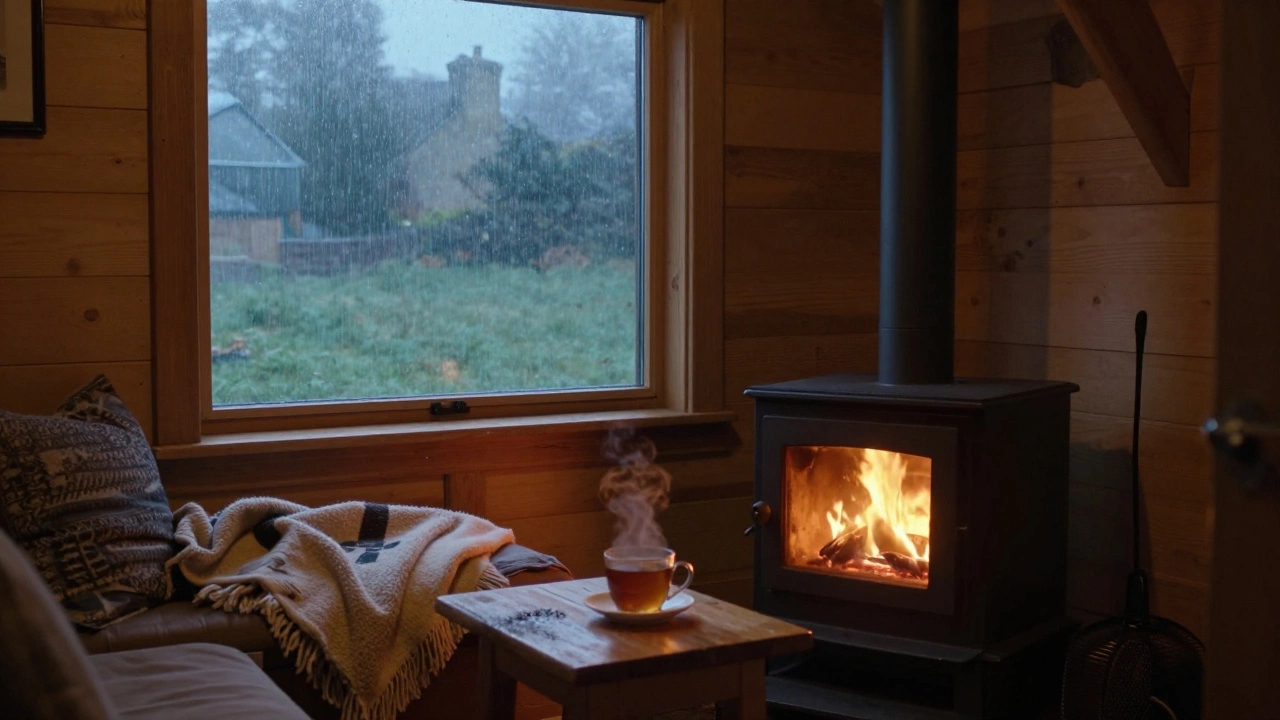
Most glamping structures are designed for year-round use, but it depends on the type. Yurts and cabins are great for winter if they have wood-burning stoves. Canvas tents are better for spring, summer, and autumn. Always check if the accommodation is "four-season" rated before booking a winter trip.
Is glamping safe for families and kids?
It is very safe and often safer than wild camping because glamping sites are managed properties. They usually have designated paths, secure enclosures, and on-site staff. It's a great way to introduce children to nature without the stress of extreme weather or uncomfortable sleeping arrangements.
What is the difference between a yurt and a safari tent?
A safari tent is essentially a large, heavy-duty canvas tent on a platform, focusing on a breezy, open feel. A yurt is a circular structure with a wooden frame and a lattice wall, making it more like a permanent room. Yurts generally offer better insulation and a sense of enclosure compared to safari tents.
Final Tips for Your First Glamping Trip
If you're ready to book, start by deciding what "level" of nature you want. If you want to feel completely disconnected, look for sites that offer "off-grid" luxury-think solar power and outdoor showers. If you're bringing the kids or a partner who is skeptical about the outdoors, go for a site with en-suite bathrooms and heating.
Don't forget to dress in layers. Even in a luxury tent, the temperature drops at night. Bringing a pair of sturdy boots is still a good idea; the accommodation might be fancy, but the path to the nearest stream or lookout point is still made of mud and rocks. Embrace the contrast: spend your day hiking and exploring, then retreat to your plush bed for the night. That balance is exactly why glamping has become such a global phenomenon.