UK Wild Camping Legal Checker
Select a region to see the legal status and specific rules for wild camping.
Scotland
LegalRight to Roam applies
England (Dartmoor)
RestrictedSpecific National Park rules
England (Other)
IllegalTrespassing without permission
Wales
Permission OnlyAsk landowners first
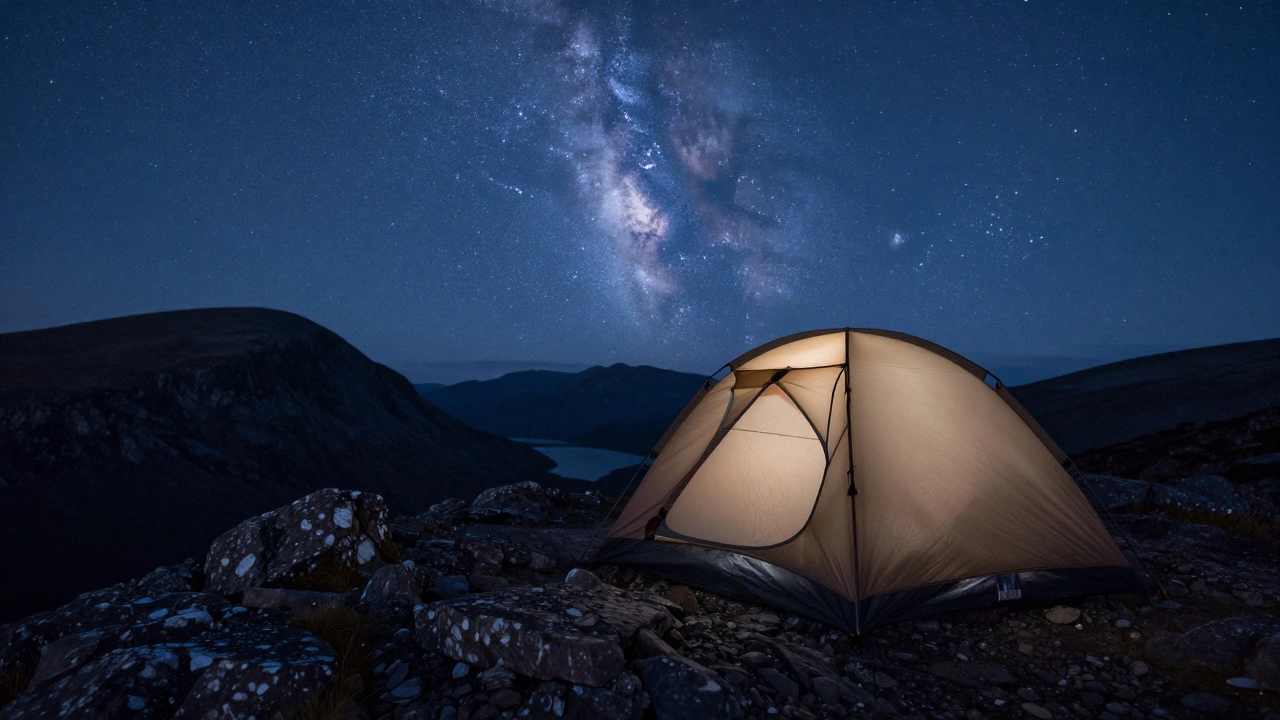
Imagine pitching your tent under a canopy of stars, miles away from the nearest streetlight. It sounds like a dream for any outdoor enthusiast. But in the United Kingdom, that dream comes with a complex legal map that changes depending on which side of the border you cross. If you are planning a wild camping trip, knowing where it is legal and where it might land you in trouble is crucial.
The short answer? It depends entirely on where you are. In Scotland, you have a statutory right to camp almost anywhere. In England and Wales, it is generally prohibited unless you have specific permission. And in Northern Ireland, it falls somewhere in between but leans heavily toward restriction. This guide breaks down exactly where you can legally set up camp, what the rules are, and how to do it responsibly so you keep these spaces open for everyone.
Is wild camping legal in Scotland?
Yes, wild camping is legal in Scotland under the Land Reform (Scotland) Act 2003, provided you follow the Scottish Outdoor Access Code. You can camp on most land for up to two nights without moving, as long as you leave no trace and respect private property.
The Golden Rule: Scotland’s Right to Roam
If you want freedom, head north. Scotland offers the most liberal wild camping laws in the UK, thanks to the Land Reform (Scotland) Act 2003, which established the statutory right of responsible access to most land and inland water. This legislation effectively grants you the "Right to Roam." You can walk, cycle, and camp on almost any land, including private estates, as long as you act responsibly.
This isn't a free-for-all, though. The law requires you to follow the Scottish Outdoor Access Code, which sets out guidelines for respectful behavior. Key rules include:
- Camp at least 200 meters away from buildings, roads, or inhabited areas.
- Limit your stay to two nights in one spot before moving on.
- Avoid camping on improved grassland used for grazing livestock.
- Never light fires; use a gas stove instead.
- Take all your rubbish with you, including toilet waste if possible.
Popular spots like the Highlands, the Isle of Skye, and Loch Lomond see heavy traffic because of this right. However, local authorities can restrict access temporarily for environmental protection or safety reasons. Always check local signage. The beauty of Scotland's system is that it trusts adults to behave well. When you respect the land, the land welcomes you back.
England and Wales: A Different Story
Cross the border into England or Wales, and the legal landscape shifts dramatically. Here, wild camping is technically trespassing. Most land in England and Wales is privately owned, and landowners have the right to ask you to leave. While being asked to leave doesn't usually mean arrest, refusing to go can lead to eviction or, in rare cases, prosecution for aggravated trespass.
So, is it completely off-limits? Not quite. There are exceptions and gray areas that experienced campers know well.
Dartmoor: The Exception That Proves the Rule
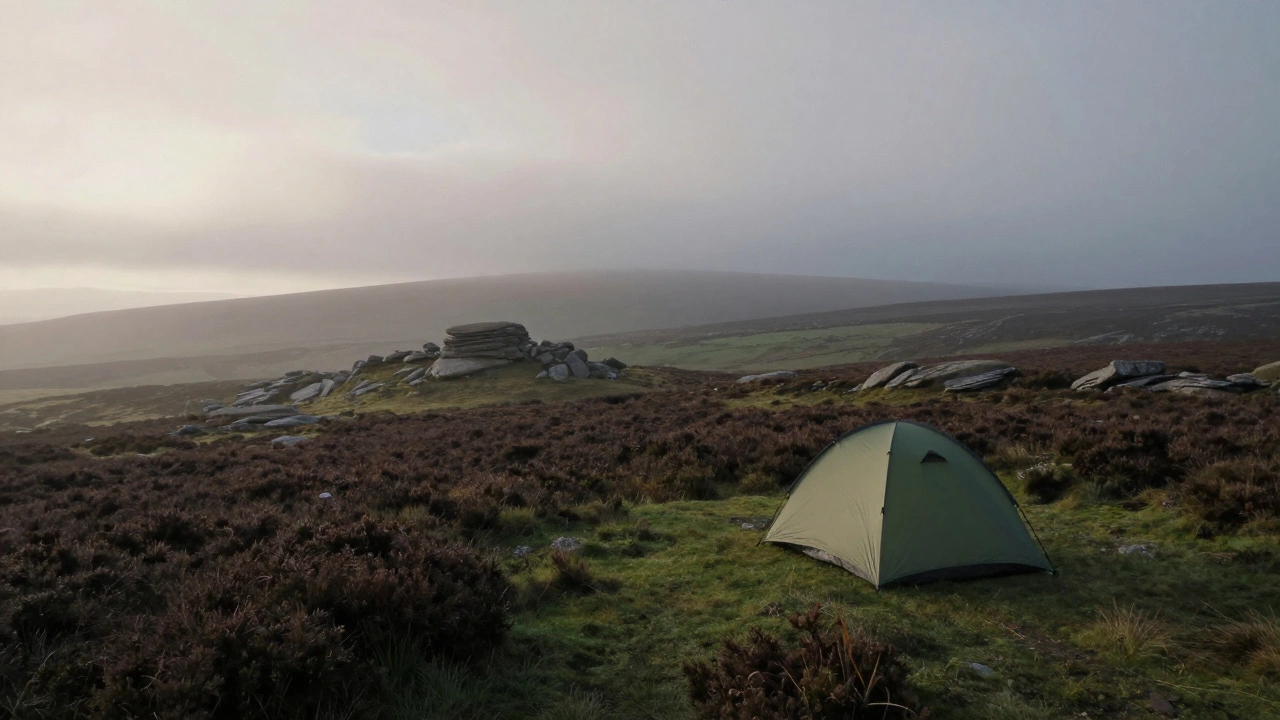
In Devon, Dartmoor National Park allows wild camping under strict conditions. Unlike other parts of England, Dartmoor has a history of public access. You can pitch your tent on open moorland, but you must:
- Camp away from enclosed fields, walls, or fences.
- Stay for no more than two nights in one location.
- Keep your group size small (usually under four people).
- Use a lightweight stove, not an open fire.
- Leave absolutely no trace.
Dartmoor rangers patrol frequently. They aren't there to harass you, but they will move you if you break these rules. The moor is fragile, and overuse can damage the peat and vegetation. Respect these limits, and you’ll find Dartmoor to be a magical place to camp.
Other Areas in England
Outside Dartmoor, options are limited. Some national parks, like the Lake District or Peak District, tolerate wild camping if you are discreet, brief, and respectful. However, this tolerance is unofficial and can change quickly. Landowners have become more vigilant due to issues with anti-social behavior by large groups. If you are caught camping illegally, you may be fined or banned from the area.
In Wales, the situation is similar to England. The Countryside and Rights of Way Act 2000 gives you the right to walk on mapped open land, but not to camp. You need explicit permission from the landowner to pitch a tent. Always ask first. Many farmers are happy to grant access for a small fee or even free if you promise to leave no mess.
Northern Ireland: Strict Regulations
In Northern Ireland, wild camping is largely discouraged and often illegal without permission. The Department of Agriculture, Environment and Rural Affairs manages many rural areas, and unauthorized camping can result in fines. There are designated campsites and some permissive areas, but spontaneous wild camping is risky here. Stick to official sites to avoid trouble.
How to Wild Camp Responsibly: The Leave No Trace Ethic
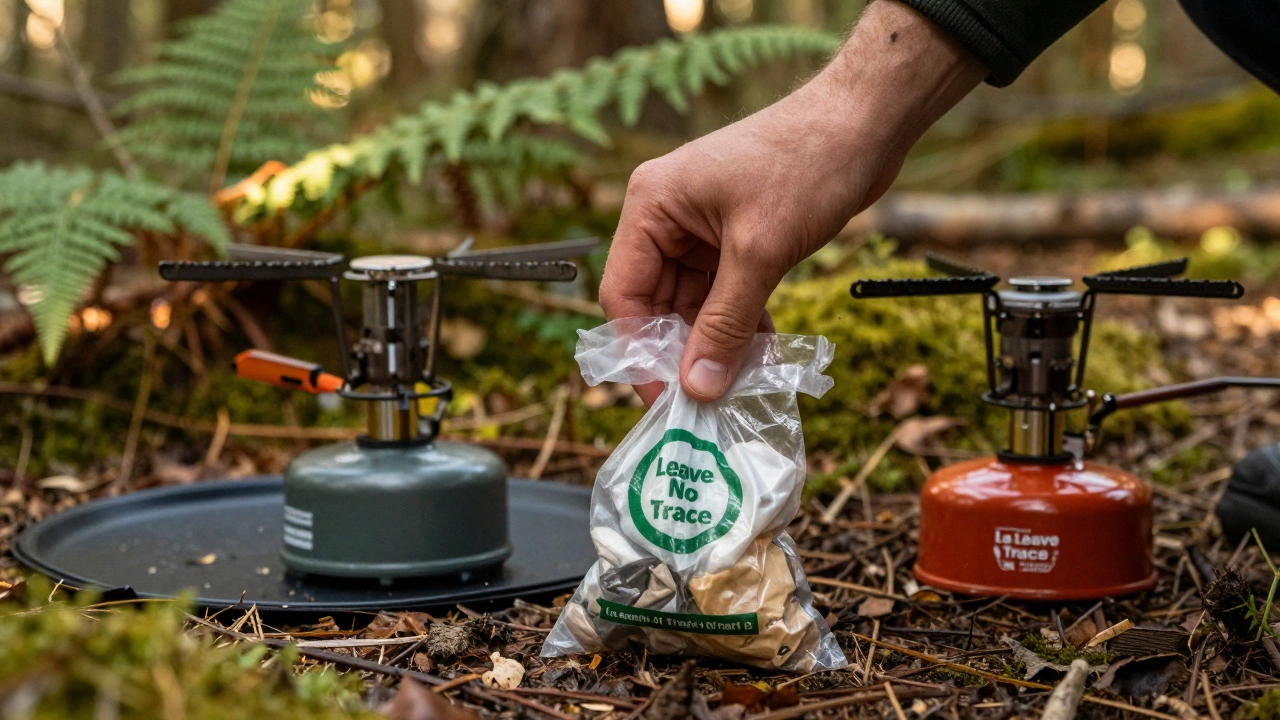
Regardless of where you are, the key to keeping wild camping viable is responsibility. The Leave No Trace principles are not just suggestions; they are essential for preserving access. Here’s how to apply them:
- Plan Ahead: Research local regulations and weather conditions. Avoid sensitive habitats during breeding seasons.
- Camp on Durable Surfaces: Choose rocky ground, gravel, or established sites rather than soft soil or vegetation.
- Dispose of Waste Properly: Pack out all trash. For human waste, dig a cathole at least 15-20 cm deep and 60 meters from water sources, or carry it out in a wag bag.
- Leave What You Find: Don’t pick flowers, move rocks, or disturb wildlife.
- Minimize Campfire Impacts: Use a camp stove. Fires scar the ground and pose wildfire risks.
- Respect Wildlife: Observe animals from a distance. Never feed them.
- Be Considerate of Other Visitors: Keep noise low and stay hidden from view when possible.
When you follow these guidelines, you reduce the likelihood of complaints from locals and landowners. Positive experiences encourage continued access. Negative incidents lead to stricter bans.
Comparison: Wild Camping Laws Across the UK
| Region | Legal Status | Key Legislation/Guidelines | Max Stay | Fires Allowed? |
|---|---|---|---|---|
| Scotland | Legal (with conditions) | Land Reform (Scotland) Act 2003, Scottish Outdoor Access Code | 2 nights | No (use stoves) |
| England (Dartmoor) | Legal (with conditions) | Dartmoor National Park Management Plan | 2 nights | No |
| England (Elsewhere) | Illegal (Trespass) | Trespass Act 1980 | N/A | No |
| Wales | Illegal (Permission Required) | Countryside and Rights of Way Act 2000 | N/A | No |
| Northern Ireland | Generally Illegal | Local Authority Regulations | N/A | No |
Practical Tips for Finding Spots
Finding a good wild camping spot takes skill. You want privacy, safety, and beauty. Here’s how to scout:
- Use Maps: Ordnance Survey maps show contours, paths, and land ownership clues. Look for remote valleys or high ground.
- Arrive Late: Pitch your tent after dusk to minimize visibility and disturbance.
- Discreet Tents: Use earth-toned tents that blend into the environment. Bright colors stand out and attract attention.
- Check Local Notices: National park websites often post updates on restricted areas.
- Ask Locals: Pub owners or shopkeepers might know of permissive areas or warn you about strict landowners.
Remember, the goal is to feel like you’re alone in nature, not to intrude on someone else’s life. If you see farm animals, stay clear. Livestock can be dangerous, and disturbing them is a breach of etiquette.
What Happens If You Break the Rules?
Consequences vary by region. In Scotland, if you violate the Access Code, police or land managers can ask you to leave. Repeated offenses could lead to charges under the Civic Government (Scotland) Act. In England, trespass is a civil matter, but aggravated trespass (causing harassment or alarm) is a criminal offense under the Criminal Justice and Public Order Act 1994. Fines can reach hundreds of pounds, and you may be banned from returning.
Most enforcement is informal. Rangers or landowners prefer education over punishment. They want you to understand why certain behaviors are harmful. Listen to their advice, apologize if you’ve made a mistake, and move on. Arguing rarely helps.
Alternatives to Wild Camping
If you’re unsure about legality or want more comfort, consider these options:
- Permissive Campsites: Many farms offer cheap, basic pitches. Websites like WildCampUK.com list these.
- Youth Hostels: The British Youth Hostel Association offers affordable stays in scenic locations.
- Designated Wild Camping Sites: Some national parks have marked areas where camping is allowed.
- Glamping: For those who love nature but hate discomfort, glamping sites provide luxury in the wilderness.
These alternatives support local economies and reduce pressure on sensitive environments. They’re also great ways to meet fellow travelers.
Final Thoughts: Enjoy the Freedom, Respect the Land
Wild camping in the UK is a privilege, not a right, except in Scotland. By understanding the laws and practicing responsible behavior, you can enjoy unforgettable nights under the stars while helping to preserve these landscapes for future generations. Whether you’re scaling Ben Nevis or wandering Dartmoor’s moors, remember that your actions define the experience for everyone. Pack light, tread softly, and leave only footprints.
Can I wild camp in the Lake District?
Technically, no. Wild camping is trespass in the Lake District. However, it is sometimes tolerated if you are discreet, stay for one night, and leave no trace. Always check current local guidance, as policies can change.
Do I need a permit to wild camp in Scotland?
No, you do not need a permit for wild camping in Scotland under the Right to Roam. Just follow the Scottish Outdoor Access Code.
Is it safe to wild camp alone?
It can be safe if you prepare well. Inform someone of your plans, carry a first aid kit, check weather forecasts, and choose accessible locations. Avoid remote areas if you’re inexperienced.
What should I do if a landowner asks me to leave?
Always comply immediately and politely. Refusing to leave can escalate the situation and lead to legal issues. Move to a different location or book a nearby campsite.
Are dogs allowed while wild camping?
In Scotland, yes, but keep them under control. In England and Wales, check local rules. Dogs can disturb wildlife and livestock, so always use a leash near animals.