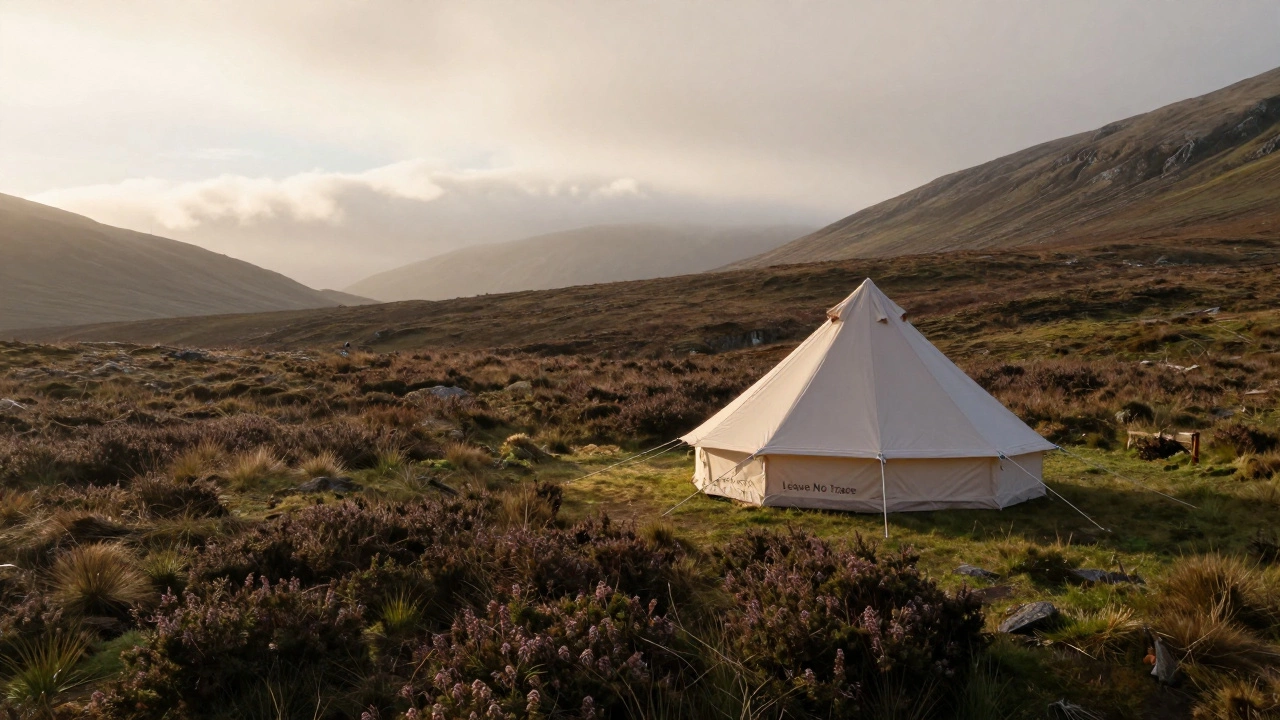
Leave No Trace: Responsibility Quiz
Answer questions to see your impact level.
Why This Matters
Rule #1 of camping is non-negotiable. Whether you are in a luxury yurt or the wild Scottish Highlands, your actions determine if these spaces remain open for future generations.
1. The Biodegradable Myth
You finish breakfast at your wild campsite. What should you do with your apple cores and eggshells?
2. Glamping Etiquette
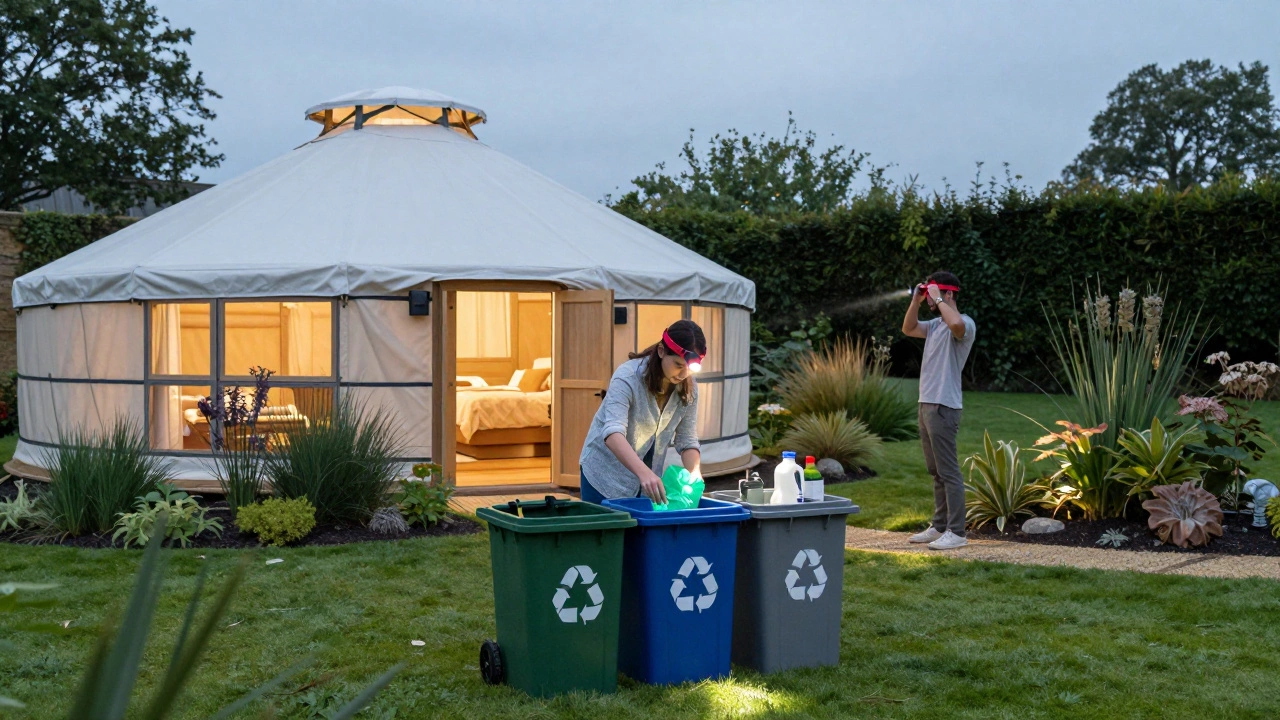
You are staying at a high-end glamping site with en-suite facilities. It is 11:30 PM. How should you behave?
3. Water Safety
When setting up camp near a river in the wild, what is the minimum distance you should maintain?
4. Waste Management
Which soap is safe to use when washing dishes while camping?
5. Social Impact
Why is using red-light filters on headlamps recommended after dark?
You’ve booked the spot. You’ve packed the gear. The sun is setting over the glamping tent or the rugged wild campsite, and for a moment, everything feels perfect. Then you hear it: the crunch of someone else’s footsteps too close to your fire pit, or worse, you see the plastic bottle left behind by last weekend’s visitors. It ruins the vibe instantly. If there is one absolute golden rule that governs everything from high-end luxury campsites are premium outdoor accommodations offering hotel-like amenities in natural settings to remote wilderness bashes, it isn’t about which sleeping bag is warmest or how to start a fire in the rain.
The number one rule of camping is simple but non-negotiable: **Leave No Trace**.
This isn’t just a polite suggestion; it is the foundational ethic that keeps our public lands open and our private glamping sites pristine. Whether you are pitching a canvas bell tent with en-suite facilities in the Cotswolds or setting up a hammock deep in the Scottish Highlands, this principle dictates every action you take. But what does "Leave No Trace" actually mean when you’re trying to relax after a long week at work? And how do you apply it when you’re paying for premium services?
The Core Principle: Why Leaving No Trace Matters
At its heart, Leave No Trace is an environmental education program that teaches people how to enjoy the outdoors responsibly means exactly what it says on the tin. You should leave the place exactly as you found it, if not better. This concept was popularized by the U.S. Forest Service in the 1970s, but it has since become the global standard for responsible recreation. In the UK, where access rights under the Countryside and Rights of Way Act 2000 allow us to roam freely, this responsibility falls squarely on our shoulders.
Why is this the top rule? Because nature is fragile. Soil compaction from walking off-trails kills plant life. Litter harms wildlife. Noise pollution disrupts animal breeding cycles. When we ignore these small impacts, the cumulative effect is devastating. Parks get closed. Access gets restricted. The very freedom we cherish as campers gets revoked. By adhering strictly to this rule, you protect the landscape for yourself and for the next person who wants to escape the city noise.
Applying the Rule to Luxury Camping and Glamping
Here is where things get interesting. Many people assume that because they are staying at a glamping site is a style of camping that involves luxury accommodation and amenities, the rules don’t apply. They think, "I’m paying for staff to clean up." That mindset is dangerous. While luxury campsites often provide housekeeping, waste management, and maintained grounds, the ethos of respect remains identical to wild camping.
In fact, luxury camping requires a heightened awareness of etiquette. You are sharing intimate spaces with neighbors. A high-end yurt might have thick walls, but sound still travels. Here is how the #1 rule translates to the glamping context:
- Respect the Quiet Hours: Most luxury sites enforce strict quiet times, usually between 11 PM and 8 AM. Blasting music or hosting loud parties violates the spirit of tranquility that guests pay for. Keep conversations low and devices on silent.
- Manage Waste Properly: Even if bins are provided, do not overflow them. Separate recyclables if asked. Never bury trash in the garden beds-it attracts pests and ruins the landscaping.
- Protect the Grounds: Don’t drive your car onto the grass unless explicitly permitted. Don’t let pets dig up flower beds. Treat the manicured lawns and native plantings with the same care you would treat a museum exhibit.
- No Open Fires Unless Specified: Many luxury sites prohibit personal fires due to insurance and safety regulations. Use the designated fire pits or chimineas provided. Lighting an unauthorized fire is a major breach of trust and safety protocols.
Think of it this way: you are a guest in someone’s home, just like an Airbnb, only the "home" happens to be surrounded by trees. Your behavior reflects not just on you, but on the entire camping community. Bad manners by one group can lead to stricter rules for everyone.
Wild Camping vs. Designated Sites: Different Rules, Same Goal
If you step away from the paved paths of luxury campsites and head into the wild-say, the Lake District or the Cairngorms-the stakes change slightly, but the core rule holds firm. Wild camping relies entirely on goodwill and legal frameworks like Scotland’s Land Reform (Scotland) Act 2003, which grants responsible access rights.
In these scenarios, "Leave No Trace" becomes more rigorous because there are no staff to pick up after you. Here is what that looks like in practice:
- Camp Discreetly: Avoid camping near roads, trails, or water sources. Set up at least 200 meters from any path or riverbank to minimize visual impact and protect water quality.
- Use Existing Campsites: If you see signs of previous use, try to reuse that specific patch of ground rather than creating a new scar on the landscape. However, avoid heavily degraded areas to allow vegetation to recover.
- Dispose of Human Waste Correctly: Dig a cathole 6-8 inches deep, at least 200 feet from water. Pack out toilet paper. In some sensitive alpine zones, you must pack out all solid waste using wag bags. This sounds unglamorous, but it is essential for hygiene and ecology.
- Take Everything Back: This includes food scraps, eggshells, and biodegradable items. Soap, even "biodegradable" soap, can harm aquatic life. Wash dishes with strained water scattered widely, never poured directly into streams.
The difference between a respected wild camper and a vandal is often just a trash bag. The latter leaves behind a mess that takes years to decompose; the former leaves nothing but footprints-and even those fade quickly.
The Hidden Aspect: Social Etiquette and Community
While environmental preservation is the primary focus of Rule #1, there is a social dimension that is equally critical. Camping is a communal activity, even when you seek solitude. The "third pillar" of leaving no trace is respecting other people’s experience.
I’ve seen countless conflicts arise from simple misunderstandings. One couple arrived at a forest campsite late at night, shining bright white LED floodlights everywhere while unpacking. Their neighbors, who had been trying to sleep, were furious. Another group played acoustic guitar loudly past midnight, ignoring subtle cues from nearby tents. These actions violate the unwritten code of camaraderie that binds the camping community.
To uphold the spirit of Rule #1 socially:
- Greet Your Neighbors: A simple hello goes a long way. It establishes rapport and allows you to communicate boundaries politely.
- Control Light Pollution: Use red-light filters on headlamps after dark. White light disrupts circadian rhythms and ruins the stargazing experience for others.
- Keep Pets Leashed and Cleaned Up: Dogs are welcome, but aggressive or uncontrolled dogs are not. Pick up feces immediately. An unfenced dog chasing deer or disturbing other campers is a quick way to get banned from a site.
- Share Resources Wisely: If water taps are shared, be efficient. Don’t leave hoses running. Be mindful of electricity usage if outlets are limited.
When you respect your fellow humans, you create a positive feedback loop. People are more likely to help you if your stove breaks, share their coffee, or warn you about incoming weather. Conversely, rude behavior isolates you and creates tension that spoils the trip for everyone involved.
Practical Checklist: Before You Pitch Your Tent
Knowing the theory is one thing; executing it is another. To ensure you never accidentally break Rule #1, keep this mental checklist handy before you set up camp:
| Action | Why It Matters | Luxury/Glamping Context | Wild Camping Context |
|---|---|---|---|
| Check Fire Regulations | Prevents wildfires and ensures safety | Use provided pits only; no personal fires | Check local bans; use lightweight stoves instead |
| Plan Waste Strategy | Keeps environment clean and pest-free | Use bins; separate recycling | Pack out all trash; dig catholes for human waste |
| Assess Noise Levels | Respects wildlife and other guests | Adhere to quiet hours; keep music low | Be silent after dusk; avoid shouting |
| Inspect Ground Conditions | Prevents soil erosion and damage | Stay on designated pitches | Camp on durable surfaces; avoid wetlands |
| Secure Pets | Protects wildlife and other campers | Leash required in common areas | Always leash; control behavior strictly |
By internalizing these steps, you transform from a passive consumer of nature into an active steward. This shift in mindset is what separates seasoned adventurers from casual tourists. It is also what ensures that places like the New Forest, the Peak District, and countless private glamping estates remain vibrant and accessible for decades to come.
Common Mistakes That Break the Golden Rule
Even experienced campers slip up. Here are the most frequent violations I see, and how to avoid them:
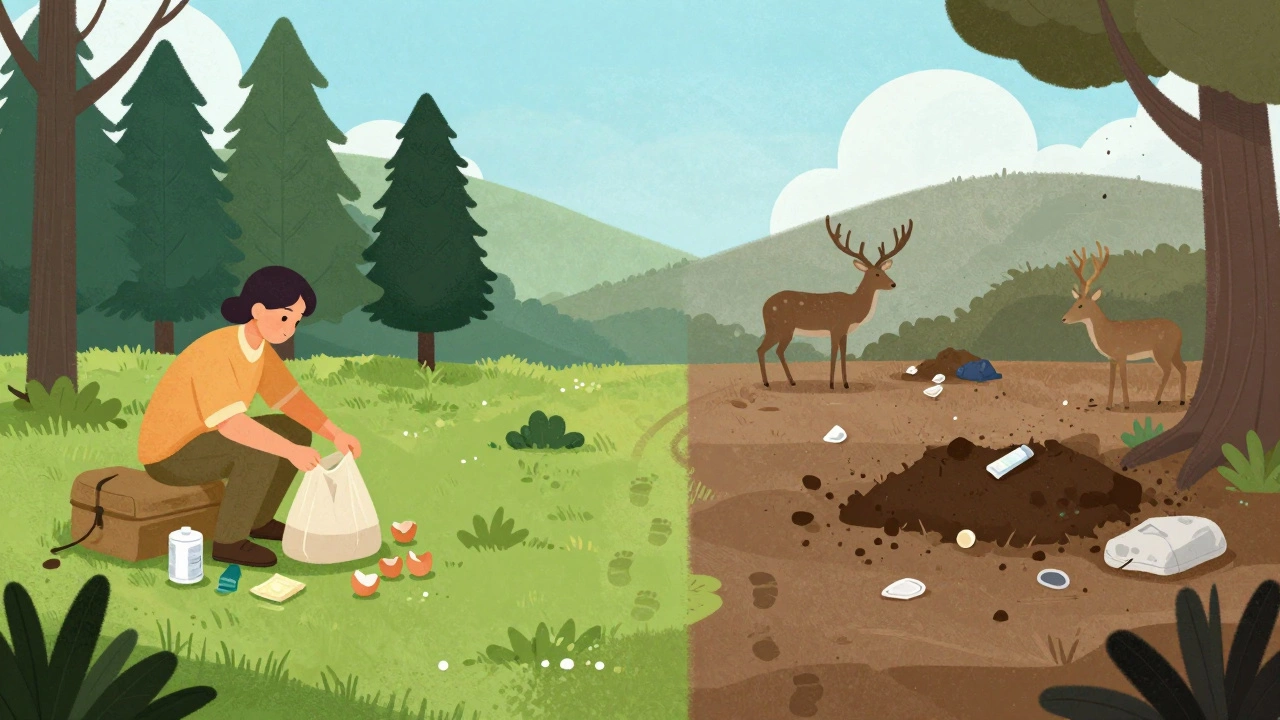
Leaving Biodegradable Trash Behind: Eggshells, apple cores, and banana peels do not disappear overnight. They attract rats, foxes, and insects, which then become a nuisance for other campers. Always pack these out.
Using Harsh Soaps: Standard dish soap contains phosphates and detergents that kill beneficial bacteria in soil and poison fish. Switch to biodegradable options like Dr. Bronner’s pure-castile soap, and always strain food particles from your wash water.
Ignoring Local Wildlife Guidelines: Feeding animals seems harmless, but it alters their natural behavior and makes them dependent on humans. In some areas, this leads to culling programs. Keep food sealed and store it properly.
Overstaying Your Welcome: Whether it’s a two-night limit at a wild spot or a seven-day maximum at a glamping site, respect time limits. Overstaying prevents others from enjoying the location and increases environmental wear.
Avoiding these pitfalls doesn’t require extra effort-it just requires mindfulness. A few seconds of thought before discarding something can save hours of cleanup later.
Conclusion: Being a Guardian of the Outdoors
Rule #1 of camping-Leave No Trace-is more than a set of instructions. It is a philosophy. It acknowledges that we are visitors in the natural world, not owners. When you embrace this mindset, your camping experiences deepen. You notice the subtle details: the way moss grows on north-facing rocks, the call of a curlew at dawn, the silence of a star-filled sky. These moments are fragile, and they depend on our collective restraint.
Whether you are investing in a weekend of luxury glamping with heated floors and champagne, or roughing it in a tarp under the stars, your impact matters. By following this single rule, you contribute to a culture of respect, sustainability, and joy. You ensure that the great outdoors remains a sanctuary for everyone, not just the privileged few. So, before you strike your first match or pitch your tent, ask yourself: "Will anyone know I was here?" If the answer is no, you’ve done it right.
Is it okay to leave biodegradable items like fruit peels at a campsite?
No, you should not leave biodegradable items like fruit peels, eggshells, or coffee grounds. While they eventually decompose, the process takes weeks or months, during which they attract pests such as rats, raccoons, and insects. This creates health hazards and disturbs other campers. Always pack out all organic waste.
Do Leave No Trace principles apply to luxury glamping sites?
Yes, absolutely. Although glamping sites often have cleaning staff, the core values of respect for nature and other guests remain essential. This includes keeping noise down, disposing of trash correctly, avoiding unauthorized fires, and protecting the landscaped grounds. Your behavior sets the tone for the community.
How far should I camp from water sources in the wild?
You should camp at least 200 feet (approximately 60 meters) away from lakes, rivers, and streams. This distance helps prevent soil erosion, protects water quality from contaminants like soap and human waste, and minimizes disturbance to wildlife that rely on these water sources.
What type of soap is safe to use while camping?
Use only biodegradable soaps specifically designed for outdoor use, such as pure castile soap. Avoid products containing phosphates, dyes, or strong fragrances. Even with biodegradable soap, you should wash at least 200 feet from water sources and scatter the gray water widely to dilute it.
Can I build a fire at any campsite?
Not necessarily. Always check local regulations and site-specific rules first. During dry seasons or droughts, fire bans are common. At luxury campsites, personal fires are often prohibited for safety reasons; use designated fire pits instead. In the wild, use existing fire rings if available, or cook on a lightweight stove to minimize impact.