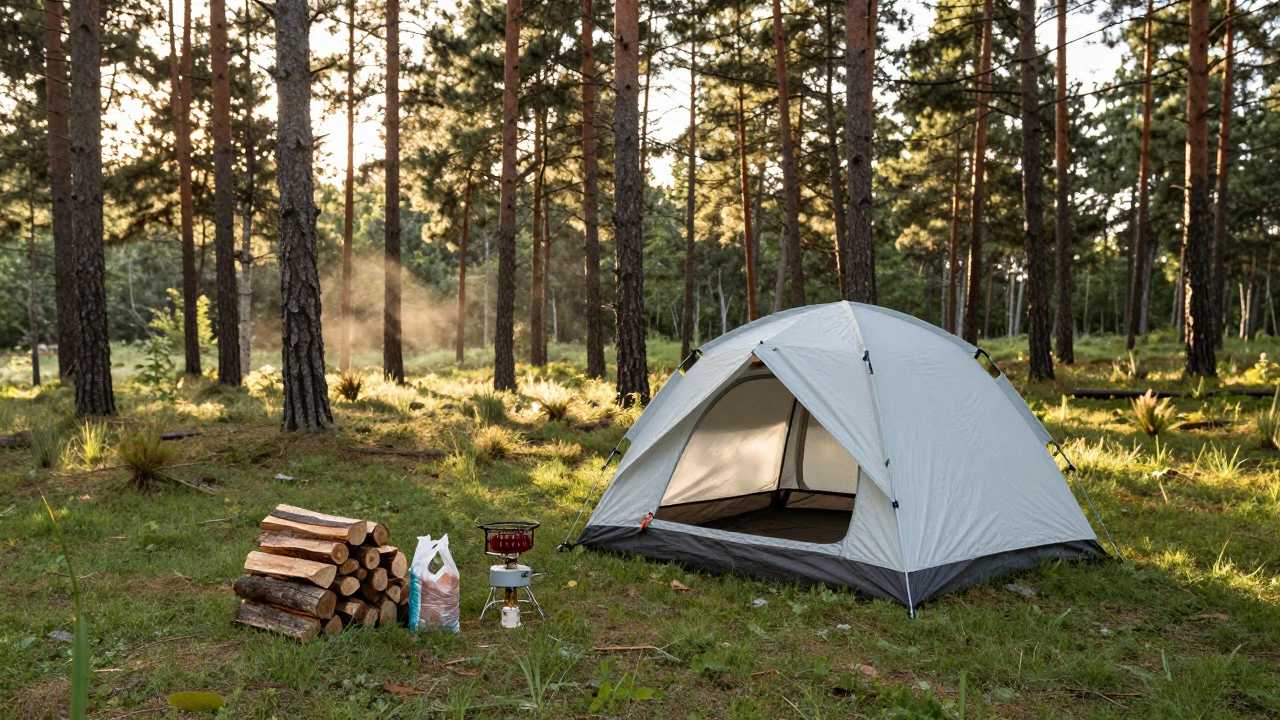
Leave No Trace Decision Simulator
Test your wilderness wisdom! Select a scenario below, then choose the best action to follow the Golden Rule of Camping.
The Hidden Wrapper
You have a candy wrapper but no trash cans are visible at this backcountry site.
Dishwashing Duty
It's dinner time, and you need to wash pots right next to a beautiful stream.
The Perfect Spot
There is no fire ring here, but the flat rock looks perfect for a campfire.
Friendly Visitor
A cute squirrel or bear approaches your tent looking for food scraps.
Picture this: You’ve finally got the kids settled, the tent is up, and that first evening coffee is brewing. The air smells like pine needles and damp earth. It’s perfect. Then you look around. Someone left a pile of half-eaten sandwiches by the fire pit. Another site has trash blowing into your lawn chairs. The magic evaporates instantly. This isn’t just about being polite; it’s about preserving the very experience we all crave.
If there is one golden rule when camping, it boils down to a single phrase that every seasoned outdoorsperson knows by heart: Leave No Trace. It sounds simple, almost cliché, but in practice, it is the difference between a memorable adventure and a frustrating mess. For families specifically, where chaos is often part of the charm, sticking to this principle ensures that the wild remains wild for the next group of parents trying to disconnect from screens and reconnect with nature.
The Core Philosophy: Why "Leave No Trace" Matters
Most people think cleaning up after yourself means picking up your own trash. That’s step one, sure. But the real golden rule goes deeper. It means leaving the environment exactly as you found it-or better. When you camp, you are a guest on land that belongs to everyone. If you damage the host’s home, you aren’t welcome back. And neither is anyone else.
This concept, formally known as the Seven Principles of Leave No Trace, was developed by the Leave No Trace Center for Outdoor Ethics in the United States. It has since become the global standard for responsible recreation. For families, these principles act as a practical checklist. They turn abstract ideas like "respect nature" into actionable tasks that even a six-year-old can understand. Instead of saying "don't litter," you say, "pack out everything you pack in." Concrete instructions work better than vague morals.
| Habit | Traditional Approach | Leave No Trace Approach |
|---|---|---|
| Trash Disposal | Bury wrappers or toss them in distant bushes | Pack out all waste in sealed bags |
| Campfires | Build large fires for warmth and cooking | Use established fire rings or portable stoves |
| Water Sources | Wash dishes directly in the stream | Strain food particles and scatter grey water 200 feet away |
| Tent Placement | Set up anywhere convenient near the road | Camp on durable surfaces (gravel, grass) away from vegetation |
Making It Family-Friendly: Teaching Kids the Rules
The hardest part of following the golden rule isn’t the physical labor; it’s getting everyone on board. Children don’t naturally understand why they can’t pick flowers or why they need to carry their apple cores back to the car. To make family camping sustainable, you have to gamify the process. Turn cleanup into a competition. Who can find the most hidden pieces of trash? Who can pack their sleeping bag tightest?
Start small. Before you even leave for the trip, explain the mission. Tell them, "We are ninjas. We leave no evidence we were here." Kids love secret missions. Give each child a specific job. One manages the recycling bin, another checks under tables for crumbs. By giving them ownership, you reduce the nagging. Parents stop being the police and start being the team leaders.
Also, be realistic. A toddler will drop food. A teenager will forget their toothbrush wrapper. Don’t shame them. Use these moments as teaching opportunities. Show them how a plastic ring chokes wildlife. Explain how soap in a river kills fish gills. Connect their actions to the bigger picture. When they see the direct impact, they internalize the rule faster than any lecture could achieve.
Respecting Neighbors: The Social Side of Camping
Your golden rule extends beyond dirt and trees. It includes the humans sharing the space. Campsite etiquette is just as crucial as environmental care. Noise pollution is the number one complaint at family campsites. Loud music, screaming games, and late-night conversations disrupt the peace for dozens of other families.
Keep voices down after 9 PM. Use headphones for devices. Keep dogs leashed and under control. If your dog barks incessantly, address it immediately. Other campers didn’t pay for a quiet retreat to listen to a canine alarm system. Similarly, respect property lines. Don’t let kids run onto neighboring sites without permission. Privacy matters, even in the woods.
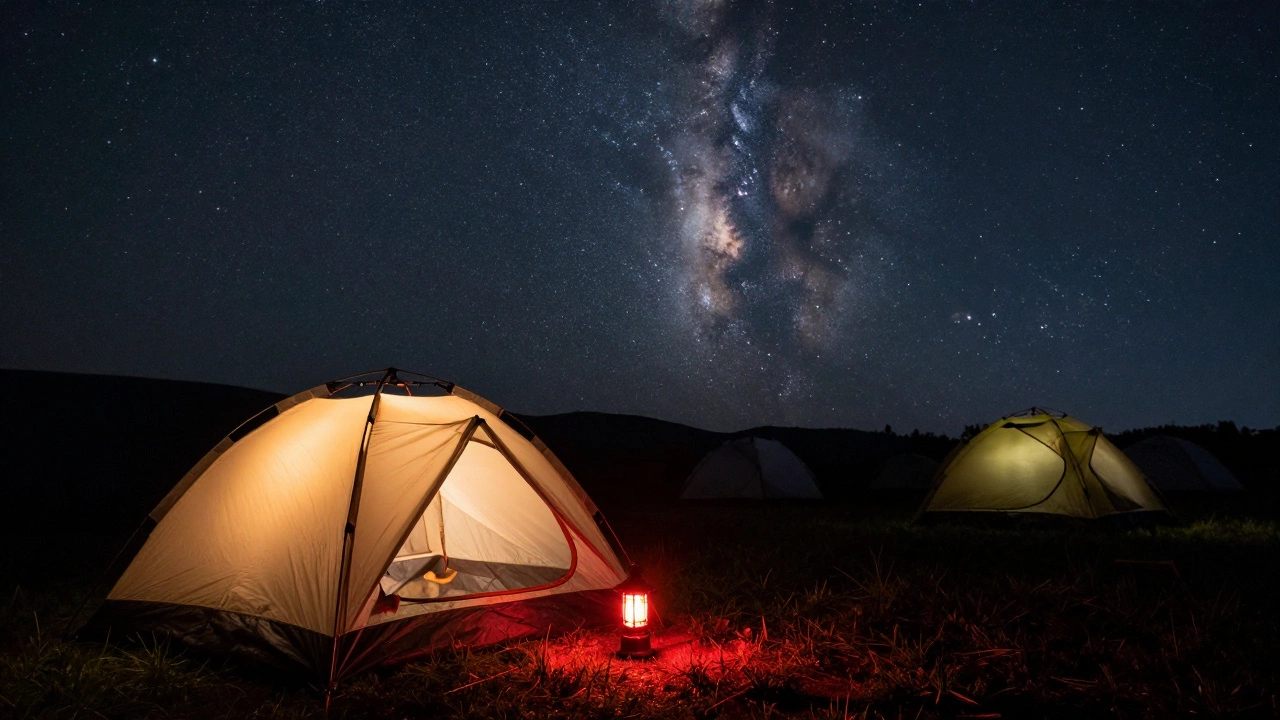
Light pollution is another subtle offender. Bright white LED floodlights shine into neighbors' tents. Switch to warm-colored bulbs or use headlamps with red light modes. Red light preserves night vision and is less intrusive. These small adjustments show consideration. They build a community vibe rather than a hostile standoff.
Practical Tools for Zero Impact
You can’t follow the golden rule without the right gear. Preparation prevents pollution. Here are essential items that help families stick to their promises:
- Biodegradable Soap: Even "biodegradable" soap needs time to break down. Use it sparingly and never within 200 feet of water sources. Brands like Dr. Bronner’s offer concentrated formulas that minimize packaging waste.
- Portable Stove: Fire bans are common during dry seasons. A reliable propane stove like the Jetboil or Coleman ensures you can cook hot meals without damaging the ground or risking wildfires.
- Trash Bags: Bring more than you think you need. Double-bag smelly food waste. Sealable bags prevent animals from raiding your campsite and spreading trash.
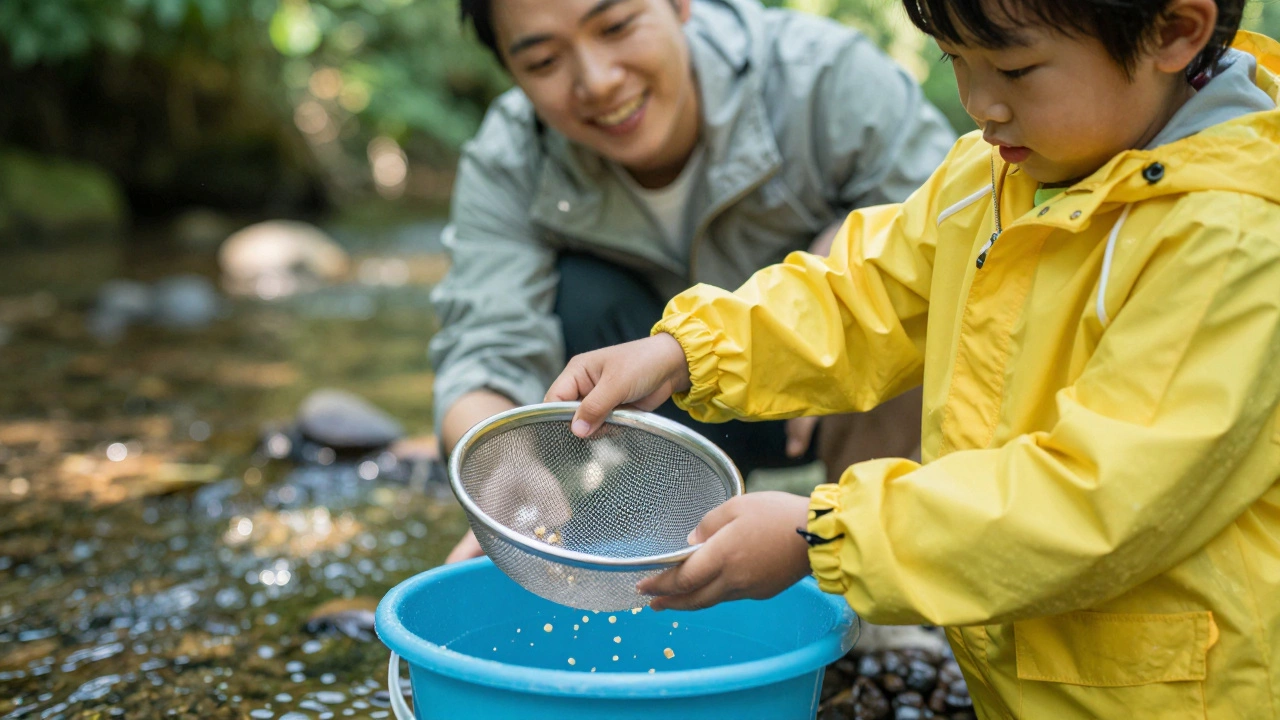
- Dish Strainer: A fine mesh strainer catches food particles before you pour dishwater. Scatter the strained water widely among plants, not in one spot.
- Repair Kit: Fixing a torn tent fly or a broken zipper on-site prevents buying new gear unnecessarily. Sustainability starts with maintaining what you already own.
Common Pitfalls to Avoid
Even experienced campers slip up. Watch out for these frequent mistakes:
- Burying Trash: Digging holes for garbage seems helpful, but animals dig it up. It spreads waste further than if you’d just left it on the surface. Pack it out.
- Using Human Soap in Rivers: Chemicals in regular soap harm aquatic life. Stick to biodegradable options and distance yourself from water.
- Feeding Wildlife: It looks cute until bears get used to human food. Fed animals lose their fear, leading to dangerous encounters and often euthanasia. Keep food locked in cars or bear boxes.
- Building New Fire Rings: Never scrape bare earth for a new fire. Use existing rings. If none exist, use a stove or a reflector oven.
- Ignoring Grey Water: Soapy water stains soil and kills plants. Spread it thinly over a wide area, away from streams and trails.
When Things Go Wrong: Damage Control
Accidents happen. A gust of wind scatters your recycling. A kid drops a glass bottle in the bushes. Don’t panic. Assess the situation calmly. If you can retrieve the item safely, do so. If it’s too risky, mark the location mentally and return later. Better yet, hire a local guide or contact park rangers if the hazard is significant.
If you arrive at a site already trashed by previous visitors, take photos for documentation. Then, clean up what you can. Report severe violations to campground management. Your action sets a positive example for others. Sometimes, seeing someone else diligently cleaning up inspires neighbors to join in. Collective responsibility grows from individual effort.
The Long-Term Impact of Your Choices
Why does this matter? Because popular campsites face increasing pressure. Overuse leads to soil erosion, dead vegetation, and polluted waterways. When we ignore the golden rule, we degrade the resource we love. Eventually, parks close sections for restoration. Access gets restricted. Fees rise to manage crowds.
By adhering to Leave No Trace, you protect access for future generations. You ensure your grandchildren can experience the same pristine forests you enjoy today. It’s an investment in legacy. Every piece of trash packed out, every fire extinguished completely, every neighbor respected contributes to a healthier planet.
So, what is your golden rule? Make it yours. Practice it until it becomes second nature. Teach it to your kids. Share it with friends. Let’s keep our campsites beautiful, peaceful, and welcoming for everyone who seeks refuge in the great outdoors.
What is the absolute most important rule when camping?
The most important rule is "Leave No Trace." This means packing out all trash, minimizing campfire impacts, respecting wildlife, and leaving natural features undisturbed. It ensures the environment remains healthy and enjoyable for future visitors.
How do I teach young children to follow camping rules?
Gamify the process. Assign specific roles like "trash monitor" or "water warden." Use simple language like "we are ninjas who leave no clues." Praise good behavior immediately. Avoid shaming; instead, explain the consequences of actions on animals and plants.
Is it okay to bury toilet paper at a campsite?
Only if explicitly permitted by local regulations. In many high-traffic areas, burying TP causes sanitation issues. Always check campground rules first. If unsure, pack it out in a sealed bag. Modern biodegradable options still require proper disposal methods.
What should I do if I see other campers littering?
Politely remind them of the rules if you feel safe doing so. Often, people are unaware of their impact. If confrontation feels uncomfortable, document the issue and report it to campground staff. Leading by example is also powerful-clean up nearby visible trash discreetly.
Can I use regular soap for washing dishes while camping?
No. Regular soaps contain chemicals that harm aquatic ecosystems. Use biodegradable soap designed for outdoor use. Even then, strain food particles and scatter the grey water at least 200 feet away from any water source to prevent contamination.