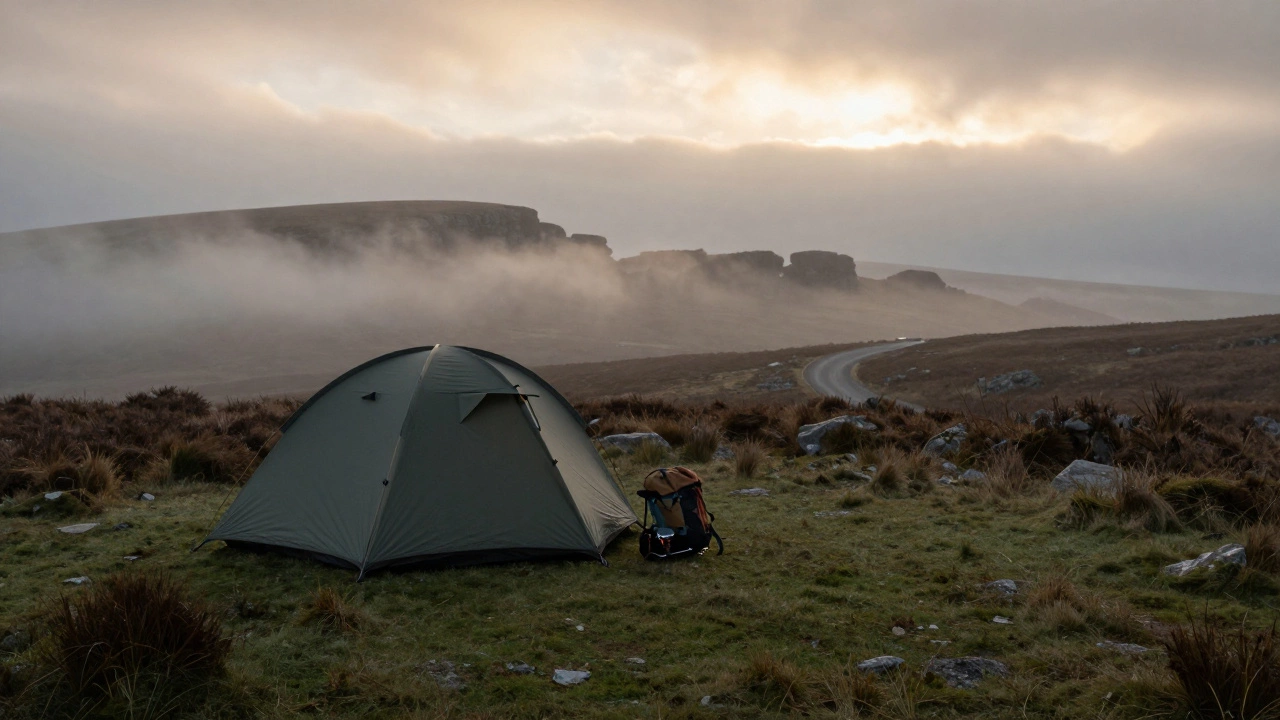
Camping in Scotland
When it comes to camping in Scotland, a unique outdoor experience where you can legally sleep wild on open land under specific conditions. Also known as wild camping, it’s one of the few places in the UK where you can pitch a tent on a mountainside, beside a loch, or under the stars without needing permission—so long as you follow the Scottish Outdoor Access Code. This isn’t just freedom; it’s a cultural right backed by law, and it’s why thousands choose Scotland over any other part of the UK for true outdoor adventures.
Unlike England and Wales, where wild camping is mostly illegal or tolerated only in remote areas, Scotland gives you the green light—if you act responsibly. That means leaving no trace, avoiding private gardens or farmland, keeping fires small or avoiding them altogether, and packing out everything you bring in. You’re not allowed to camp in groups larger than a few people, and you can’t stay in one spot for more than a couple of nights. These aren’t restrictions—they’re the glue that keeps this privilege alive. And yes, this applies to motorhomes too. Many travelers roll into Scotland with a hired motorhome, park overnight in a layby or quiet roadside pull-off, and wake up to silence and mist over the Highlands. It’s not always easy to find, but it’s legal if you’re discreet and respectful.
Related to this are wild camping UK, a broader term that includes Scotland but also the gray zones of Dartmoor, the Lake District, and other contested areas, and free camping Scotland, the practical reality of sleeping without paying for a site, often using remote roads, car parks, or public land near hiking trails. You’ll also hear about Scotland camping laws, the unofficial but widely accepted rules that keep access open and prevent abuse. These aren’t written in stone, but they’re enforced by community pressure and local landowners who value the tradition. Break them, and you risk losing the right for everyone.
What makes camping in Scotland different isn’t just the law—it’s the landscape. You can wake up next to a loch in the Cairngorms, watch the sunrise over Skye’s Cuillin Ridge, or fall asleep to the sound of deer rustling in the forest near Glencoe. The gear you need? Not much. A decent tent, a warm sleeping bag, and a portable stove are enough. Some bring a small tarp for rain, others use a bivy sack. Motorhome owners often park overnight at designated motorhome stops or quiet service stations, especially on the North Coast 500 route. You don’t need a campsite. You just need common sense.
There’s a reason this place feels like the last true wilderness in Western Europe. It’s not because it’s empty—it’s because people here respect the space. And if you do too, you’ll find that camping in Scotland isn’t just allowed. It’s a gift.
Below, you’ll find real stories, practical tips, and hard-won lessons from people who’ve slept under Scottish skies—whether in a tent, a van, or a hammock between two pines. No fluff. Just what works.