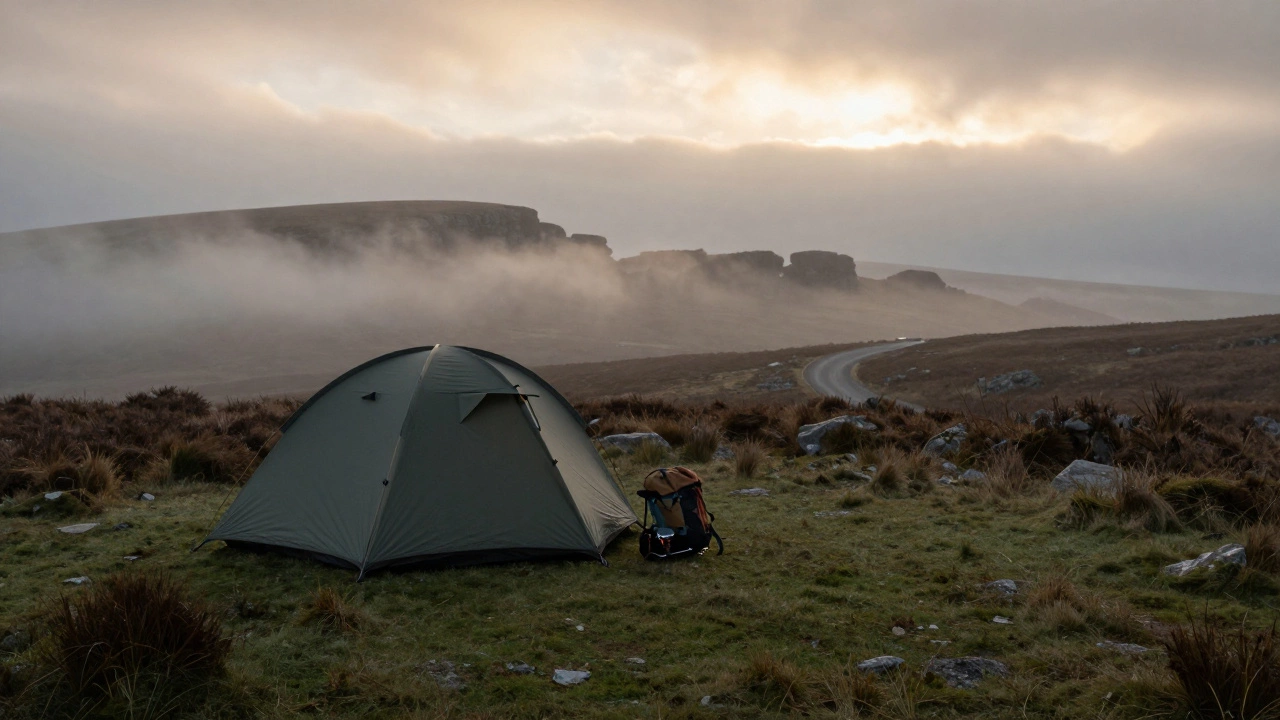
Camp in Woods UK: Where to Sleep Wild and What You Need to Know
When you camp in woods UK, sleeping overnight in natural forested areas without a formal campsite. Also known as wild camping, it’s not just pitching a tent—it’s about freedom, quiet, and being close to nature without crowds. But here’s the thing: it’s not legal everywhere. In Scotland, you can do it if you follow the Scottish Outdoor Access Code. In England and Wales? Most land is private, and sleeping in the woods without permission can land you in trouble—even if no one sees you.
That’s why so many people get confused. They see photos of tents tucked between trees in the Lake District or the Peak District and assume it’s okay. But the law doesn’t care how pretty the spot looks. wild camping UK, camping without facilities on land you don’t own or have permission to use is only truly allowed in parts of Scotland, Dartmoor (under strict rules), and a few other protected areas. In most places, it’s a gray zone. You might not get caught, but if you’re reported for littering, lighting fires, or blocking paths, you could face fines or be asked to leave.
What makes this work for some and fail for others? It’s not just about location—it’s about UK camping laws, the rules governing where and how you can sleep outdoors in the UK. The Countryside Code says you must leave no trace, keep fires small or avoid them, take all your rubbish, and respect wildlife and farmers. If you do that, you’re far less likely to cause problems—or get reported. Many people who camp in the woods do it quietly, arrive after dark, leave before sunrise, and pick spots far from houses or trails. That’s the unspoken rule.
You don’t need fancy gear to camp in the woods. A good tent, a warm sleeping bag, and a headlamp are enough. But you do need to know where to go. Some popular spots like the Forest of Dean or the Brecon Beacons have unofficial areas where people camp—but always check local notices. Some landowners tolerate it. Others don’t. And if you’re not sure? Stick to official campsites. They’re cheap, safe, and often have showers and toilets.
There’s a reason people love forest camping UK, sleeping in wooded areas, often in remote or less-traveled spots. It’s peaceful. No noise. No lights. Just birds, wind, and stars. But that peace depends on everyone doing their part. If you treat the woods like your backyard, you’re not just risking a fine—you’re making it harder for others to enjoy it later.
Below, you’ll find real stories and practical advice from people who’ve done it right. Some share where they’ve slept safely in the woods across England, Wales, and Scotland. Others explain how to handle toilets, avoid bears (yes, they’re rare, but still), and pack light without sacrificing comfort. You’ll also see what happens when people break the rules—and how to avoid those mistakes.