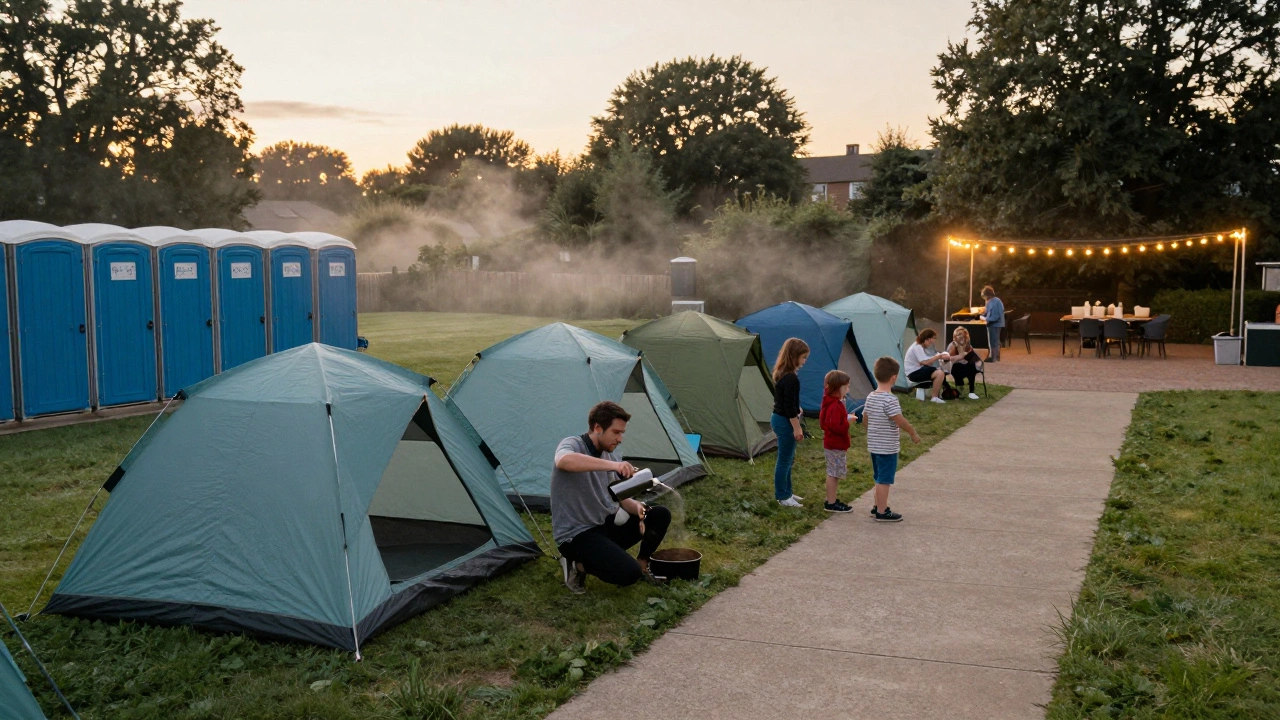
Booking Campsites: Where to Stay, What to Know, and How to Avoid Mistakes
When you’re booking campsites, reserving a place to sleep overnight in a motorhome, tent, or caravan, often with access to basic or luxury facilities. Also known as campsite reservation, it’s not just picking a spot on a map—it’s deciding how you want to experience the outdoors. Too many people book the cheapest option and end up stuck without water, power, or even cell service. Others pay extra for glamping and get a tent with a mattress and no real comfort. The difference between a good trip and a bad one often comes down to knowing what’s actually offered—and what’s hidden in the fine print.
Not all campsites are the same. There’s glamping, luxury outdoor stays with real beds, heating, and sometimes even private bathrooms. Also known as luxury camping, it’s perfect if you want comfort without giving up the open air. Then there’s wild camping, sleeping outside without formal facilities, usually on public or unmanaged land. In the UK, this is legal only in parts of Scotland, and even there, you must follow strict rules to avoid fines or losing access. And then you’ve got basic caravan parks with showers, electricity, and kids’ play areas—ideal for families. Each type needs a different approach when you’re booking. Don’t just click "Book Now." Check if the site has campsite electricity, a power hookup for your motorhome or camper, usually with a standard UK 16A socket. Also known as power hookups, this is critical if you need to run a fridge, charge devices, or use a heater at night. Skip this, and you might be stuck with cold food and dead phones.
Some spots let you stay for weeks. Others only take short stays. Some require you to book months ahead. Others let you show up and pay on arrival. And don’t forget amenities. Does the site have a dump station? A shop? Wi-Fi? A laundrette? Many travelers assume all campsites offer the same basics—and end up washing clothes in a sink or walking miles to find a toilet. The best bookings come from reading recent reviews, not just the website’s glossy photos. Look for mentions of noise, cleanliness, and how helpful the staff are. A site with a 4.8-star rating and 200 reviews tells you more than a 5-star rating with only 3 reviews.
And if you’re thinking about wild camping, know the rules. In England and Wales, it’s mostly illegal unless you have landowner permission—even if everyone else is doing it. In Scotland, it’s allowed under the Scottish Outdoor Access Code, but you must leave no trace, avoid farmland and buildings, and never light open fires. One wrong move, and you could be fined or banned from future sites. Booking a legal, marked site isn’t just safer—it’s more respectful to the land and the people who live near it.
Below, you’ll find real stories and guides from people who’ve been there: how to upgrade a basic site into a cozy retreat, what to expect at Ocean Lakes, whether you can sleep in your car on a California beach, and how to handle a toilet when there’s no bathroom in sight. Whether you’re after a quiet night under the stars or a weekend with hot showers and a coffee bar, the right campsite makes all the difference. Let’s get you sorted.