Florida Camping Legality Checker
Select your intended camping scenario to check legality and key rules.
Key Regulations & Tips
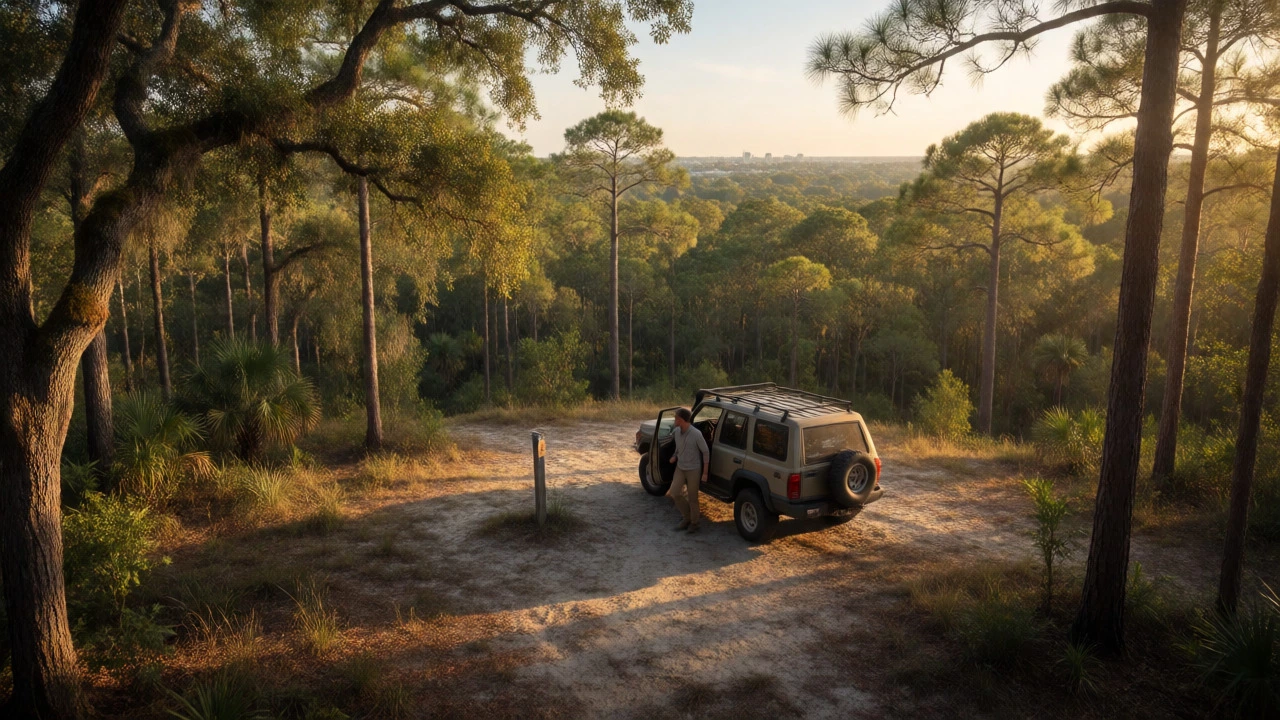
You spot a perfect clearing under a canopy of live oaks, miles from any road. You kill the engine, step out, and feel that immediate pull to pitch your tent right there. But before you hammer that first stake into the sandy soil, a nagging question pops up: is it legal to camp in the woods in Florida?
The short answer is yes, but with major caveats. Unlike the vast, open public lands of the American West where "dispersed camping" is often a wide-open invitation, Florida’s legal landscape is tighter, patchier, and heavily regulated by local ordinances. If you just wander into the nearest state park or national forest without checking the rules, you might find yourself facing a fine, or worse, being escorted off the property by a ranger.
| Factor | Key Insight |
|---|---|
| General Rule | Free camping on public land is possible but restricted to specific zones (National Forests, BLM land). |
| State Parks | Generally require reservations and fees; dispersed camping is rare and strictly defined. |
| Private Land | Permission is mandatory. Trespassing laws are strict, especially during hunting season. |
| Fire Regulations | High risk of wildfires means fire bans can be enacted instantly and locally. |
| Best Option | Target National Forests like Ocala or Apalachicola for legal, low-cost options. |
Understanding Public Land vs. Private Property
To understand legality, you have to know who owns the dirt you’re standing on. In Florida, the distinction between public and private land is critical because trespassing laws here are enforced aggressively. Most of the state's forested areas are privately owned timberlands. While some companies allow recreational use, they don’t automatically grant camping rights.
Public Land refers to government-owned property managed by agencies like the US Forest Service, the Bureau of Land Management (BLM), or the Florida Department of Environmental Protection. On these lands, camping is legal if you follow specific agency guidelines. Conversely, Private Land belongs to individuals or corporations. Unless there is a posted sign explicitly permitting camping, you need written permission from the owner. Ignoring this can lead to citations for criminal trespass, which carries heavier penalties than simple parking violations.
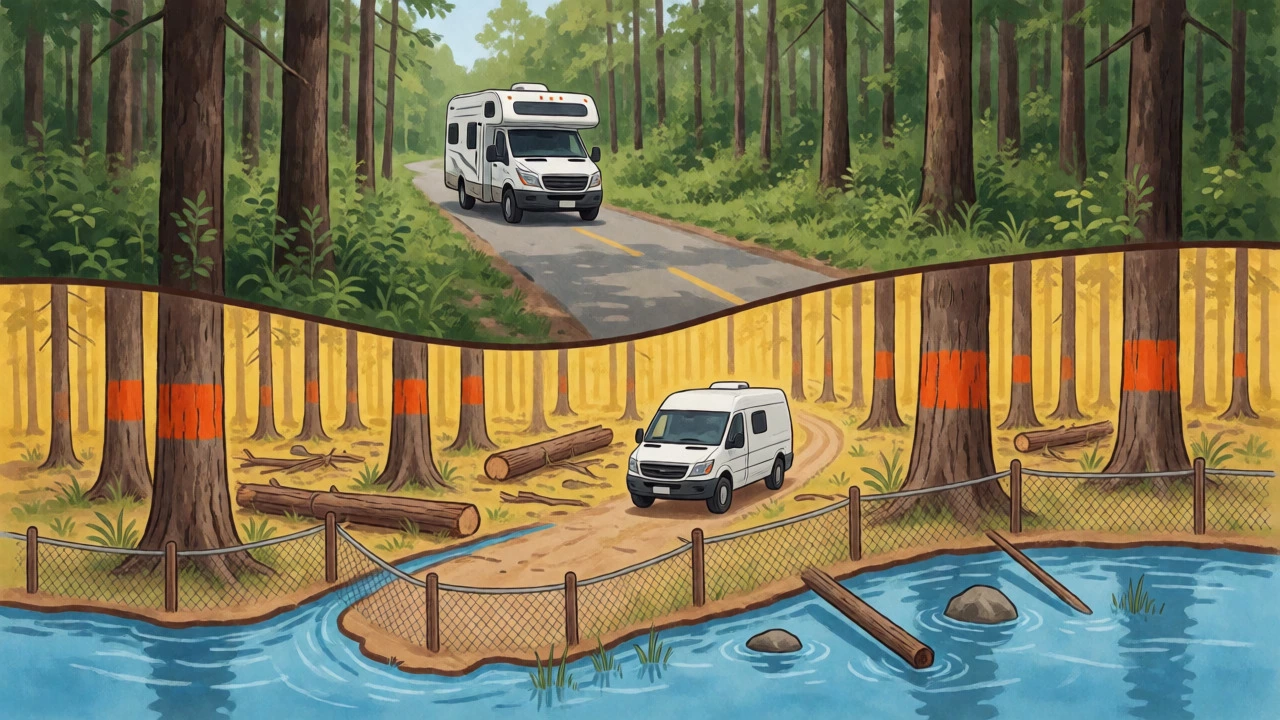
A common mistake tourists make is assuming that because a road looks public, the adjacent woods are fair game. Often, the "shoulder" of the road is public, but the trees ten feet back belong to a logging company. Always check the boundary markers. If you see orange paint blazes or signs reading "No Trespassing," keep moving. The legal burden falls on you, the camper, to verify ownership before setting up camp.
National Forests: The Sweet Spot for Dispersed Camping
If you want the classic experience of sleeping under stars without paying for a designated site, National Forests are your best bet in Florida. These large tracts of federal land allow dispersed camping, which is essentially primitive camping outside of developed recreation sites.
Two primary forests dominate this scene: the Ocala National Forest and the Apalachicola National Forest. In these areas, you can generally camp for free for up to 14 days within a 30-day period. However, "free" doesn't mean "wild west." There are strict rules designed to protect the fragile pine flatwoods ecosystem.
- Distance from Water: You must stay at least 200 feet away from lakes, streams, and springs. This protects water quality and wildlife habitats.
- Road Access: You cannot drive off-road to reach your spot. Your vehicle must remain on established roads or trails.
- Leave No Trace: Pack out all trash, including food scraps. Florida’s animals, particularly raccoons and bears, are skilled scavengers.
The Ocala National Forest, located north of Orlando, is particularly popular due to its proximity to I-75. It offers numerous pull-offs along Forest Roads where you can pitch a tent. Just remember, while dispersed camping is legal, certain areas are closed to vehicles during high-fire-risk seasons. Check the current status on the US Forest Service website before you go.
State Parks and Wildlife Management Areas
Many campers assume State Parks offer the same freedom as National Forests. They don’t. Florida State Parks are managed by the state and typically operate on a reservation system. While some parks offer primitive walk-in sites, true dispersed camping is rarely permitted unless explicitly stated in the park’s brochure.
For example, Big Cypress National Preserve allows dispersed camping in many areas, bridging the gap between park regulations and wilderness freedom. However, standard state parks like Myakka River State Park usually require you to book a numbered site. Trying to sneak in after hours often results in rangers knocking on your tent zipper at dawn.
There is an alternative: Wildlife Management Areas (WMAs). Managed by the Florida Fish and Wildlife Conservation Commission (FWC), these lands are primarily for hunting and fishing. Some WMAs allow camping, but rules vary wildly by region. For instance, the Okaloacoochee Slough WMA has specific zones where camping is allowed, while others prohibit it entirely to protect nesting birds. Always download the specific WMA map from the FWC app before heading out.
Local County Rules and Urban Fringe Camping
This is where things get tricky. Even if you are on public land, local county ordinances can override general expectations. In densely populated counties like Miami-Dade or Broward, camping in wooded areas near urban centers is often banned outright to prevent homelessness-related issues and maintain sanitation standards.
Conversely, rural counties in North Florida, such as Union County or Lafayette County, may be more lenient. However, you must check for "anti-camping" ordinances. Some towns prohibit overnight parking on public streets, which indirectly affects those using car camping setups. If you plan to sleep in your car in a forest access point, ensure that overnight parking is not prohibited by municipal code.
A practical heuristic: If you are within five miles of a city center, assume camping is illegal until proven otherwise. Move deeper into the rural interior for greater flexibility. Local sheriff’s offices are often the most accurate source for current enforcement trends, so a quick phone call can save you a headache.
Fire Safety and Environmental Restrictions
Florida’s climate creates unique challenges for campers. The combination of pine needles, dry grass, and high winds makes wildfires a constant threat. Consequently, fire regulations are among the most strictly enforced aspects of camping legality.
During the dry season (typically November through May), many forests enact total fire bans. This means no wood fires, charcoal grills, or even propane stoves with open flames in certain zones. Violating a fire ban isn’t just a minor infraction; it can result in significant fines and liability for damages if a fire starts.
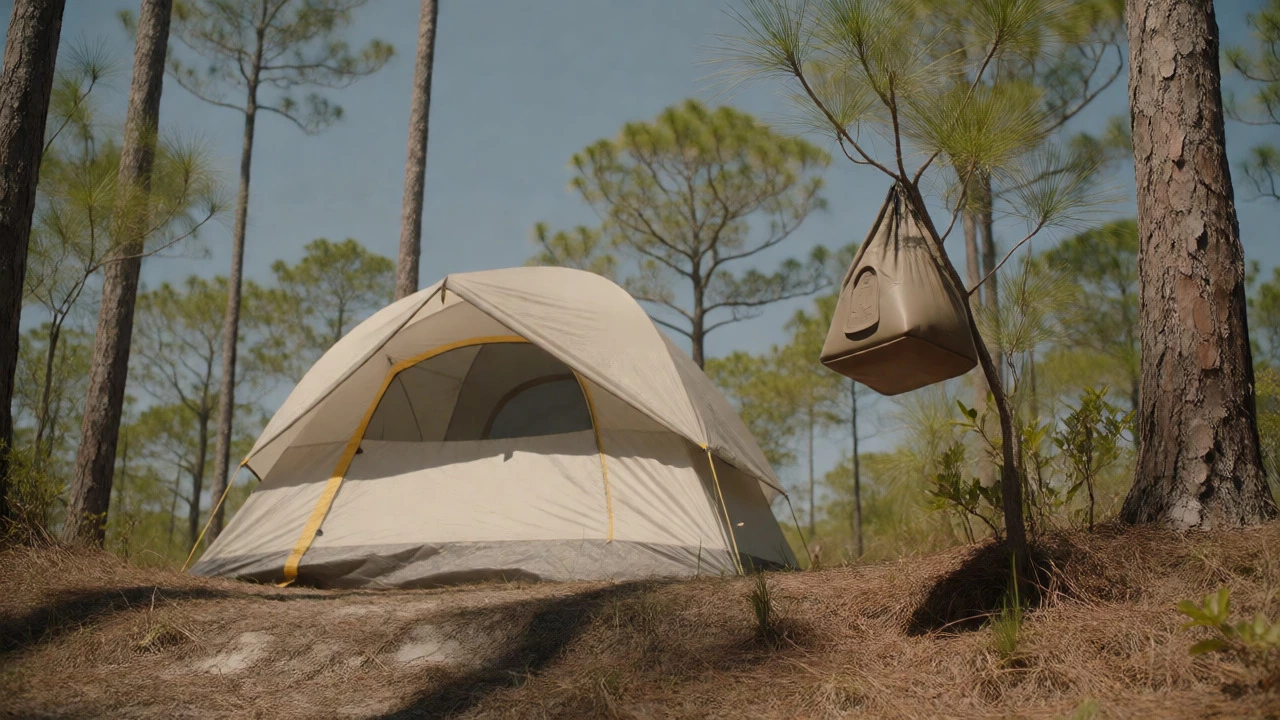
Additionally, consider the impact on local fauna. Florida is home to the American Black Bear and various species of turtles that nest on beaches and inland ponds. When camping in the woods, proper food storage is legally required in many jurisdictions. Use bear-resistant containers or hang food at least 10 feet off the ground and 4 feet out from the trunk. Failure to do so can attract bears to your campsite, leading to aggressive behavior and potential closure of the area.
Practical Tips for Legal and Safe Camping
Knowing the law is half the battle; executing it smoothly is the other half. Here is how to navigate Florida’s camping landscape like a pro.
- Verify Ownership: Use tools like OnX Hunt or LandWatch to check parcel ownership. Look for green (public) versus yellow/red (private) overlays.
- Check Seasonal Closures: Some forests close specific roads during wet seasons to prevent erosion. Others close during hunting season for safety. Never assume a road is open year-round.
- Respect Hunting Seasons: From October to February, much of Florida’s public land is open to hunters. Wear blaze orange if you are hiking or camping near active hunting zones. This is a critical safety and legal courtesy.
- Prepare for Weather: Summer thunderstorms in Florida are intense and sudden. Set up your tent on slightly elevated ground to avoid flash flooding, a common issue in flat pine flatwoods.
Remember, the goal is to leave the environment better than you found it. Florida’s ecosystems are resilient but fragile. By sticking to established trails and avoiding sensitive habitats, you help ensure that these legal camping opportunities remain available for future visitors.
Can I camp anywhere in Florida?
No. You cannot camp anywhere. Most of Florida is private property where camping is prohibited without permission. Even on public land, camping is restricted to designated areas or specific dispersed camping zones in National Forests and BLM land. Always verify local regulations before setting up camp.
Is dispersed camping legal in Florida National Forests?
Yes, dispersed camping is generally legal in the Ocala and Apalachicola National Forests. You can camp for free for up to 14 days in a 30-day period, provided you follow rules regarding distance from water sources, road access, and waste disposal. Specific closures may apply during high fire risk periods.
Do I need a permit to camp in Florida State Parks?
In most cases, yes. Florida State Parks typically require a reservation and payment for a designated campsite. Dispersed camping is rarely allowed in state parks unless specifically noted in the park’s management plan. Always reserve ahead, especially during peak winter months when northern snowbirds flock to the state.
What are the rules for campfires in Florida?
Campfire rules depend on the location and season. During dry seasons, many forests and parks enforce total fire bans, prohibiting all open flames. Even when fires are allowed, they must be contained in established rings or raised platforms. Always check current fire restrictions with the managing agency (Forest Service, State Parks, or County) before lighting a match.
Is it safe to camp in the Florida woods?
It is generally safe if you take precautions. Primary concerns include insects (mosquitoes, ticks), snakes, and extreme heat. Proper food storage is essential to deter black bears and raccoons. Additionally, be aware of hunting seasons in public lands and wear bright colors if camping near active zones. Hydration is critical due to the humid subtropical climate.