Motorhome Buying vs. Hiring Calculator
Determine the best option for your lifestyle. Enter your estimated annual usage to see if buying makes financial sense compared to hiring.
Your Travel Profile
Enter your details and click Analyze to see the recommendation.
Recommendation
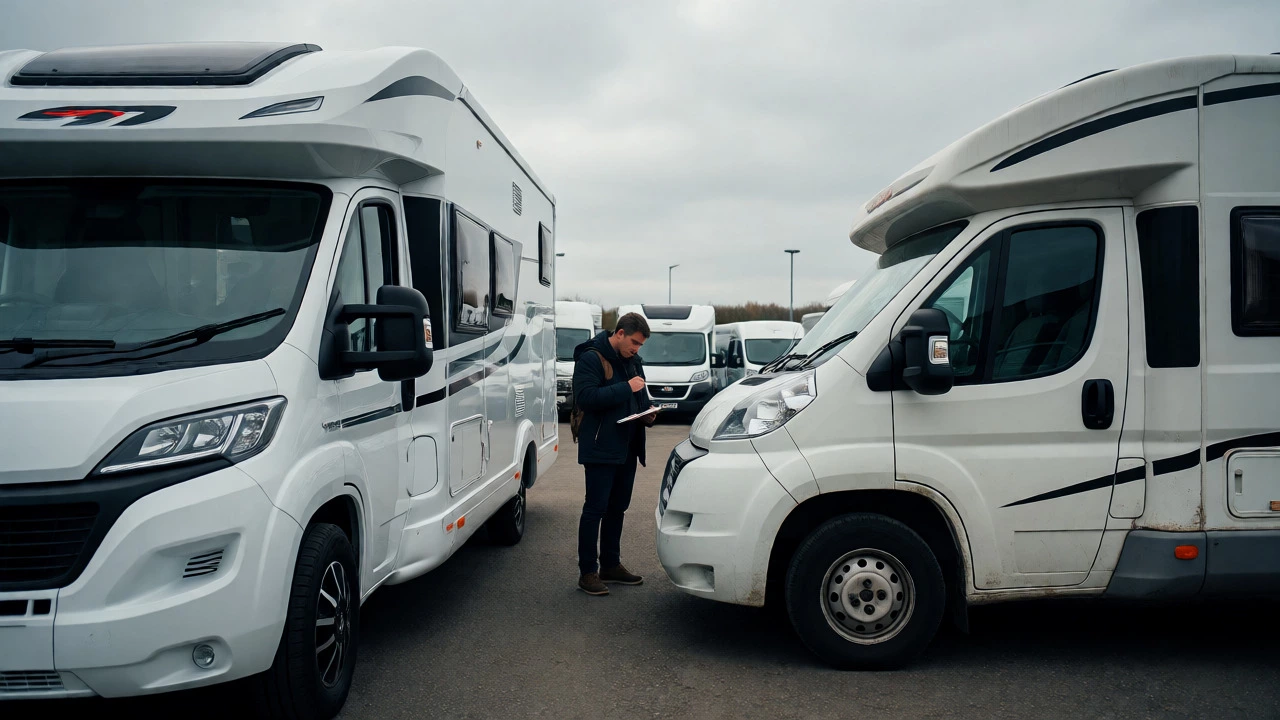
You’re standing in a dealership lot or scrolling through listings, staring at two options: a shiny new rig with zero miles on the clock and a ten-year-old model that costs half as much. It’s the classic motorhome dilemma. Everyone wants the adventure without the depreciation hit, but nobody wants to be stranded on the side of the M1 because a water pump gave out. The truth is, there isn’t one magic number for the perfect age. It depends entirely on whether you plan to buy or hire, your mechanical confidence, and how much risk you can stomach.
If you are looking to buy, the sweet spot often sits between five and eight years old. Why? Because the steepest part of the depreciation curve has already happened. The previous owner took the biggest financial hit when they drove it off the lot. You get modern safety features, updated infotainment, and better fuel efficiency than a 20-year-old diesel beast, but you aren’t paying the premium for "new." However, this age bracket comes with its own set of headaches. Rubber seals dry out, electronics start throwing error codes, and warranties usually expire right around year five or seven. If you aren’t handy with a multimeter and a socket set, this middle ground can feel like walking a tightrope.
Is it better to buy an older motorhome or hire one?
It depends on usage frequency. If you travel less than three weeks a year, hiring is almost always cheaper and stress-free. Buying makes sense only if you use the vehicle regularly enough to offset storage, insurance, and unexpected repair costs.
What is the most common failure point in older motorhomes?
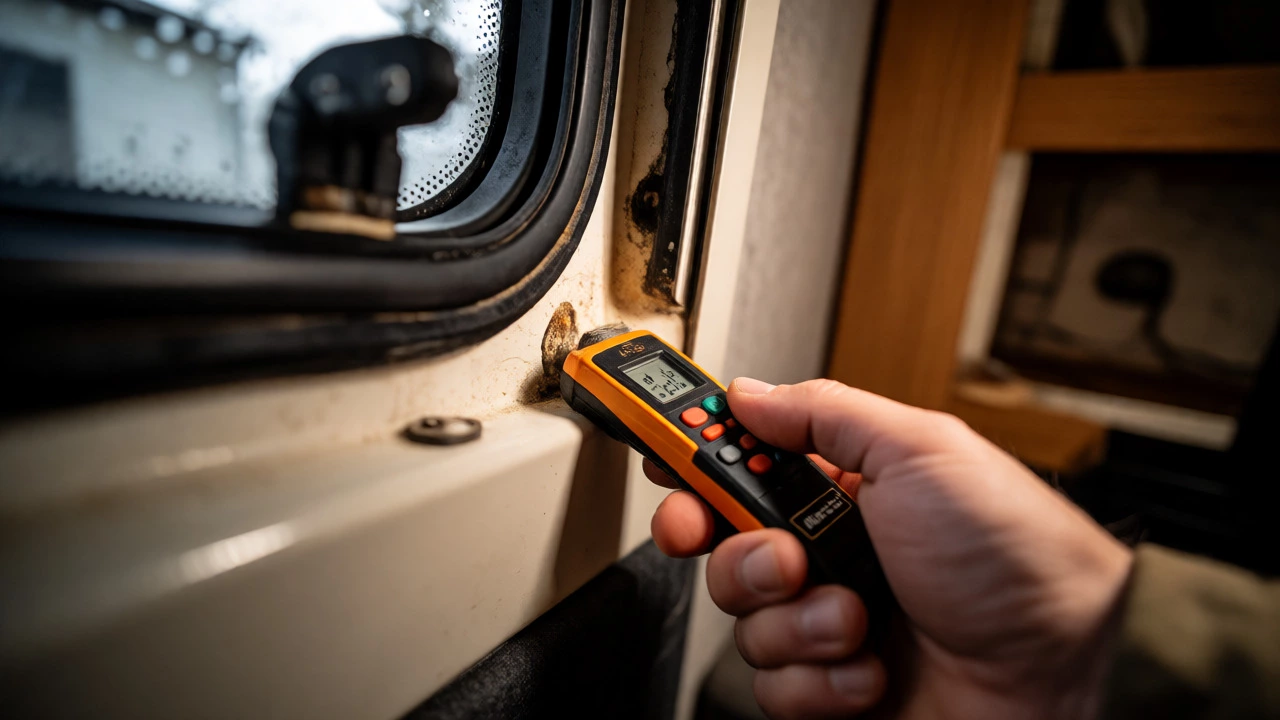
Water ingress (leaks) is the number one killer of older motorhomes. Check window seals, roof hatches, and rear lights carefully. A leak can rot the timber frame, which is often unfixable without major reconstruction.
The Case for Buying Newer Models
Let’s talk about the under-five crowd. When you look at motorhomes that are less than five years old, you’re mostly looking at reliability and warranty coverage. Most manufacturers offer a three-to-five-year chassis warranty, and some extend habitation warranties too. This peace of mind is worth money if you panic at the sight of a check-engine light. Modern engines also meet stricter Euro emission standards, meaning you won’t get slapped with congestion charges or low-emission zone fines in cities like London or Dublin as easily as you would with an older diesel van.
But here is the catch: newer doesn’t mean problem-free. In fact, early production runs of specific models are notorious for teething issues. For example, certain Fiat Ducato-based conversions from recent years have had known issues with clutch failures or electrical gremlins in the leisure battery systems. If you buy new, you become the beta tester. You might spend more time at the dealer waiting for a recall fix than actually camping. Also, the initial depreciation is brutal. Buy a brand-new motorhome, drive it for two seasons, and sell it-you could lose 30% of its value. That’s thousands of euros gone just for the privilege of being first.
The Sweet Spot: Mid-Life Motorhomes
This is where most savvy buyers land. We’re talking vehicles aged six to ten years. At this stage, the engine is broken in but not worn out. The transmission should still be smooth if serviced correctly. Crucially, the interior layout hasn’t changed drastically from today’s standards, so you aren’t stuck with outdated tech or cramped designs. You can find well-maintained examples from private sellers who bought them for a specific trip and realized they didn’t love living in them.
The main risk here is hidden wear. Rubber components-door seals, window gaskets, and pipe joints-have a lifespan of about ten years regardless of mileage. A motorhome with 40,000 km that sat under a tarp in a damp garden for five years will likely have worse seals than one with 80,000 km that was used weekly. Always ask for service history. Not just oil changes, but records of gas safety checks, boiler services, and any previous leak repairs. If the seller says, "I don't know, I just drove it," walk away.
Old School: The Over-15-Year Club
Some people swear by old rigs. They argue that older motorhomes were built with simpler mechanics and fewer computers. There is truth to this. A 1990s VW LT or a Mercedes Sprinter from the early 2000s is mechanically straightforward. You can fix many issues roadside with basic tools. Parts are cheap and widely available. Plus, the build quality in the bodywork was often superior, using thicker aluminum panels and solid timber framing instead of the lightweight composite materials found in modern builds.
However, simplicity comes at a cost. These vans lack modern safety features like airbags, ABS, or stability control. Driving a heavy, high-center-of-gravity vehicle without electronic aids takes skill and caution. Fuel economy is generally poor, often hovering around 7-9 mpg (liters per 100km). And then there’s the rust. Check the chassis rails thoroughly. Rust is cancer for these vehicles. If you see bubbling paint near the wheel arches or underneath the doors, assume the worst. Repairing structural rust often costs more than the vehicle is worth.
Hiring vs. Buying: The Age Factor
If you haven’t decided to commit yet, consider hiring. This is where the age question shifts. Rental fleets typically refresh their stock every three to four years. This means you’ll rarely encounter a rental motorhome older than five years. Why? Because breakdowns ruin reputations. A rental company can’t afford a client stranded in Kerry because of a seized alternator.
Hiring removes the depreciation risk entirely. You pay for the experience, not the asset. But you do pay a premium for that convenience. A week-long hire can cost €800-€1,500 depending on the season and model. If you go away twice a year, that’s €3,000 spent. Could you buy a decent mid-life motorhome for that? Maybe, but then you add insurance (€600+), storage (€1,000+), and maintenance (€500+). Suddenly, the math gets tricky. Hiring is ideal if you want to test different layouts before buying. Try a large A-class, then a compact campervan. You’ll learn quickly what you actually need versus what looks good in brochures.
| Age Bracket | Best For | Main Risk | Maintenance Cost |
|---|---|---|---|
| 0-3 Years | Long trips, warranty reliance | High depreciation | Low (Warranty) |
| 5-8 Years | Value seekers, DIY fixes | Dried seals/electronics | Medium |
| 10+ Years | Budget buyers, mechanics | Rust/Water damage | High |
Inspection Checklist by Age
Regardless of age, never buy a motorhome without a professional inspection. But what you look for changes based on the year. Here is a quick guide to keep you focused.
- Newer (<5 years): Focus on software updates and recalls. Check if the navigation system maps are current. Test all electrical outlets, USB ports, and lighting controls. Verify the fridge works on both gas and electric modes.
- Mid-Life (5-10 years): Inspect the roof membrane. Look for cracks or peeling edges. Check the shower tray for soft spots (sign of leaks). Ask for proof of gas safety certificate renewal within the last 12 months.
- Older (10+ years): Get on your knees. Look up at the underside of the floor. Any brown staining or warped wood means water got in. Check the exhaust system for holes. Listen for knocking sounds from the engine cold-start.
The Hidden Costs of Ownership
People underestimate the running costs. It’s not just fuel. You need a place to park it. In Dublin, secure storage can cost €50-€100 a month. Insurance is higher than cars because of the replacement value. Then there’s servicing. An annual service for a motorhome isn’t just an oil change; it includes checking the gas system, testing the fire alarm, inspecting the awning mechanism, and cleaning the water tanks. Budget at least €300-€500 annually for routine upkeep, excluding major repairs.
Tires are another big expense. Motorhomes sit for long periods, which causes flat-spotting and sidewall cracking. Even if the tread looks fine, tires older than six years should be replaced due to rubber degradation. A set of four commercial-grade tires can cost €600-€800. Factor this into your decision. An older motorhome might seem cheap upfront, but if it needs tires, brakes, and a clutch job in the first year, you’ve eaten up your savings.
When to Walk Away
Sometimes, the age doesn’t matter-the condition does. Walk away if:
- The seller refuses a moisture meter test. Moisture meters detect dampness inside walls that you can’t see. Readings above 20% indicate potential rot.
- There are mismatched parts. Different colored paneling or non-original windows suggest previous crash repairs or flood damage.
- The mileage is suspiciously low for the age. A 10-year-old van with 15,000 km might have been stored improperly, leading to seal and tire issues.
Buying a motorhome is emotional. You fall in love with the layout, the color, the idea of freedom. Don’t let emotion override logic. Check the paperwork, check the seals, and check your budget for repairs. If you’re unsure, hire first. Spend a weekend in a similar model. If you wake up happy after three days, then start hunting for your own. If you hate cooking in a tiny galley kitchen, save yourself the hassle and stick to hotels.