UK Campsite Stay Duration Calculator
Trip Details
Maximum Recommended Stay:
--
Select OptionsYou’ve found the perfect spot. The sun is setting over the hills, your tent is pitched, and you’re ready to unwind. But then that nagging thought creeps in: how long can you actually stay here? It’s not just about how much fuel you have or how many snacks you packed. In the UK, the answer depends entirely on where you are, who owns the land, and what kind of camper you are.
If you’re staying at a commercial campsite, the rules are usually written in black and white. If you’re wild camping, it’s a grey area governed by local bylaws and common sense. And if you’re living in a motorhome full-time, you’re navigating a completely different set of legal waters. Getting this wrong can lead to awkward conversations with site wardens or, worse, fines for illegal parking. Let’s break down exactly what you need to know so you can plan your trip without the stress.
The Commercial Campsite Standard
Most people asking this question are staying at a designated holiday park or independent campsite. Here, the rules are contractual. When you book a pitch, you are renting space for a specific period. This could be a weekend, a week, or a month. Once that time is up, you generally have to move on.
Why? Because campsites need turnover. They have other customers waiting. If you try to extend your stay beyond your booked dates, you might find the site manager has already sold your pitch to someone else. Some sites allow extensions if there’s availability, but you’ll likely pay a premium for the privilege.
There is also a concept known as "residential" versus "touring." Touring pitches are for short stays-usually no more than 28 days. Residential pitches are designed for long-term occupancy, often by people using caravans or mobile homes as their primary residence. These residents sign annual agreements. If you’re a tourist trying to stay on a residential pitch for three months, you’re probably breaking the site’s license conditions.
| Campsite Type | Standard Max Stay | Extension Possible? | Best For |
|---|---|---|---|
| Touring Pitch | 14-28 Days | Rarely (subject to vacancy) | Holidays, short breaks |
| Static Caravan Hire | 7-14 Nights | No (fixed booking) | Family holidays |
| Residential Park | 6-12 Months | N/A (annual contract) | Full-time living, retirees |
| Wild Camping Spot | 1-3 Nights | Depends on landowner | Hikers, minimalists |
Understanding the 28-Day Rule Myth
You’ve probably heard the "28-day rule" mentioned in camping forums. It’s one of the most misunderstood concepts in UK outdoor law. Many people think they can park their motorhome anywhere for 28 days and then legally move on. That’s not quite right.
The 28-day rule primarily relates to planning permission and temporary use of land. It allows landowners to change the use of their land for up to 28 days in any calendar year without needing formal planning permission. This is why some fields host festivals or pop-up markets for a few weeks. However, this doesn’t automatically grant a camper the right to stay there indefinitely. If the landowner says no, you leave. If they say yes, you’re welcome until they change their mind.
For motorhome dwellers, relying on the 28-day rule is risky. Local councils can enforce restrictions on overnight parking. In popular areas like Cornwall or the Lake District, councils have introduced strict bans on overnight parking in laybys to prevent congestion. Staying longer than a night in these zones can result in a fine, regardless of whether you’ve been there for 20 days or two.
Wild Camping: A Different Ballgame
Wild camping-pitching a small tent in an open space away from designated sites-is treated differently across the UK. The laws vary significantly between England, Wales, Scotland, and Northern Ireland.
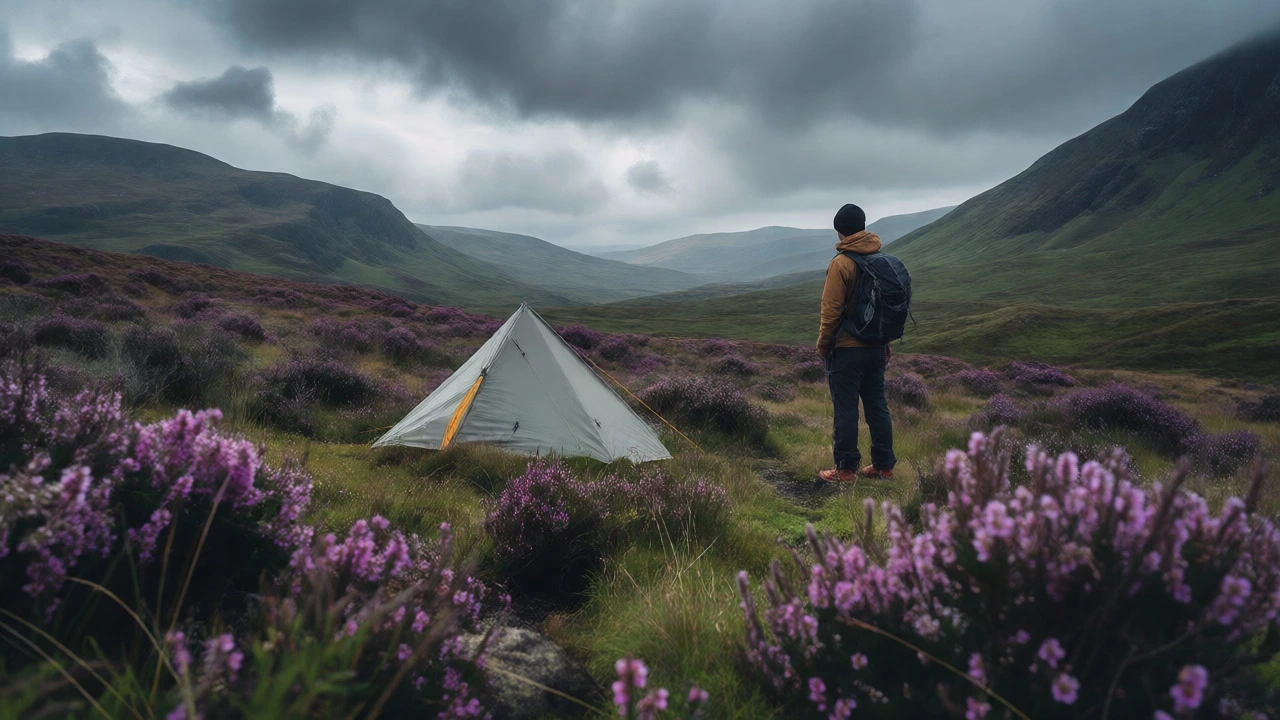
In Scotland, wild camping is widely permitted under the Land Reform (Scotland) Act 2003. You can stay for several nights, provided you follow the Scottish Outdoor Access Code. This means leaving no trace, keeping groups small, and avoiding enclosed fields with livestock. There is no hard legal limit on the number of nights, but courtesy dictates you shouldn’t overstay your welcome. If a farmer asks you to move, you move.
In England and Wales, the situation is stricter. Wild camping is generally tolerated rather than legally guaranteed. In national parks like Dartmoor or the Brecon Beacons, bylaws may restrict camping to specific areas or require permits. Without a permit, you are technically trespassing if the landowner objects. Most experienced wild campers stick to a maximum of one or two nights per spot to avoid drawing attention.
If you want to stay longer than a couple of days while wild camping, you need to talk to the landowner. A quick chat with the local farmer can turn a potential eviction into a welcome stay. They might even point you toward a better spot nearby.
Motorhome and RV Living: The Nomad Dilemma
If you’re living in your vehicle, the question isn’t just "how long can I stay?" but "where can I legally sleep?" In the UK, there is no dedicated infrastructure for full-time nomads comparable to the US network of private RV parks.
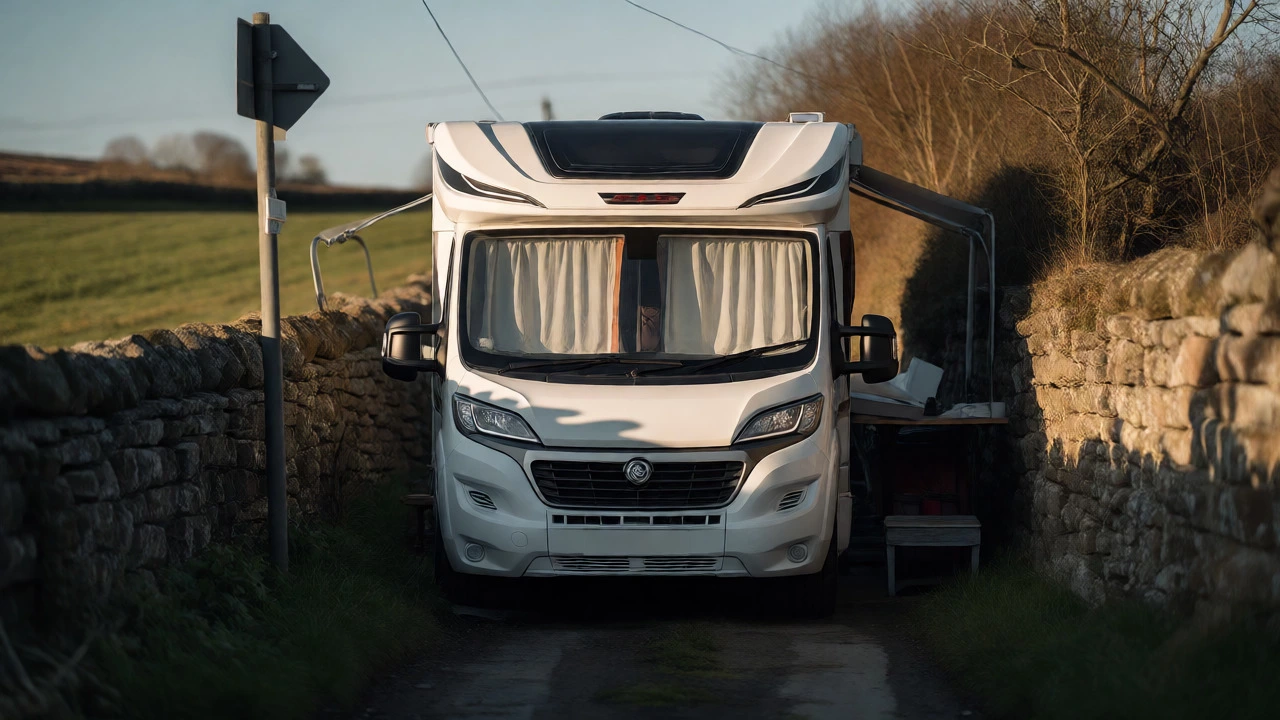
Public roads and laybys are not designed for long-term habitation. While sleeping in your vehicle on a public road is generally legal (unless signed otherwise), living there is another matter. Councils monitor vehicles that appear to be permanently parked. If your motorhome hasn’t moved in weeks, you risk being flagged as abandoned or improperly parked. This can lead to clamping or removal.
Many full-timers adopt a rotation strategy. They stay in one area for 3-5 days, then move to a new location. This keeps them under the radar and ensures they don’t violate local parking enforcement rules. Some choose to join clubs like the Caravan and Motorhome Club, which offer access to exclusive sites with longer stay options, though these still typically cap out at 28 days for touring members.
Factors That Shorten Your Stay
Even if the law allows you to stay, practical realities might force you to move sooner. Here are the main culprits:
- Water and Waste: If you’re not hooked up to mains, your fresh water tank will run dry. Grey water fills up quickly. If you’re wild camping, dumping waste properly is crucial. You can’t just pour it out anywhere.
- Weather: UK weather is unpredictable. A forecast of heavy rain and high winds might make staying put dangerous. Always check the Met Office forecast before deciding to extend a stay.
- Site Capacity: During peak season (July and August), commercial sites are full. Even if you want to stay longer, there might literally be nowhere to go.
- Local Events: Festivals, county shows, or sporting events can cause sudden crowds and traffic jams. Campsites near these venues often raise prices or refuse non-booked guests during event weekends.
How to Extend Your Stay Gracefully
Want to linger a bit longer? Don’t just assume you can. Take action:
- Ask Early: If you’re at a commercial site, speak to the reception team a day or two before your departure date. Ask if they have vacancies for an extension. Be prepared to pay a pro-rata rate.
- Check Bylaws: If you’re in a national park or coastal area, look for signs detailing parking restrictions. Ignoring them is the fastest way to get a ticket.
- Be Polite to Locals: If you’re wild camping or parking in a village, introduce yourself to neighbors. A friendly demeanor goes a long way. If they see you’re respectful, they’re less likely to report you.
- Have a Plan B: Always know where the next campsite is. If you get asked to move, having a backup option reduces stress.
Regional Differences You Must Know
The UK isn’t a single legal entity when it comes to camping. What works in Devon might get you fined in Kent.
England: Strictest regulations. National Parks have specific bylaws. Coastal areas are heavily monitored due to overtourism. Stick to designated sites unless you have explicit permission.
Wales: More relaxed than England, especially in rural areas. However, Snowdonia (Eryri) has tightened rules recently to protect sensitive habitats. Check local council websites before heading out.
Scotland: The most liberal approach. Right to roam is real. But remember, rights come with responsibilities. No fires during drought alerts, and pack out everything you bring in.
Northern Ireland: Similar to England. Wild camping is tolerated but not legally protected. Designated sites are safer bets for longer stays.
Frequently Asked Questions
Can I stay on a campsite for a month?
It depends on the site. Most touring pitches have a maximum stay of 14 to 28 days to ensure turnover. Some sites offer monthly rates for low-season visitors, but you must book this in advance. Residential pitches allow longer stays but require a separate tenancy agreement.
Is the 28-day rule true for motorhomes?
Not exactly. The 28-day rule refers to planning permission for changing land use, not a universal right to park. You cannot legally live in your motorhome on a public layby for 28 days straight if local bylaws prohibit overnight parking. Always check local signage and council regulations.
What happens if I overstay my welcome?
At a commercial site, you may be charged extra or asked to leave immediately. On public land, you risk receiving a Penalty Charge Notice (PCN) for parking violations. In severe cases, your vehicle could be clamped or towed if deemed abandoned or obstructive.
Can I wild camp for a week in Scotland?
Yes, generally. Under the Land Reform (Scotland) Act, you can stay for multiple nights as long as you follow the Outdoor Access Code. Keep your group small, leave no trace, and move on if requested by the landowner. A week is usually acceptable in remote areas.
Do national parks allow long stays?
National parks in England and Wales often have strict bylaws limiting wild camping to designated areas or requiring permits. Stays are typically limited to 1-2 nights to minimize environmental impact. Always check the specific park's website for current rules before pitching your tent.