Forest Campsites – Your Practical Guide to the Best Spots and Smart Tips
Thinking about parking your motorhome or pitching a tent under the trees? Forest campsites give you fresh air, quiet nights, and a real sense of freedom. Whether you’re after a paid spot with amenities or a free, off‑grid patch, this guide covers what you need to know so you can enjoy the woods without hassle.
Choosing the Right Forest Campsite
Start by asking what style of camping fits your trip. If you like water, toilets and power, look for managed sites in national or state forests – they usually charge a small fee and have clear rules. For a cheaper adventure, check public lands that allow dispersed or free camping; just be ready to pack out all your trash and follow fire restrictions.
Location matters, too. Pick a site near a trail if you enjoy hiking, or close to a lake for fishing. Use a map or a local app to spot easy access roads – you don’t want to waste fuel trying to reach a hidden clearing. And always read the latest forest authority notice; rules can change with fire danger or wildlife nesting season.
Top Tips for a Safe, Fun Stay
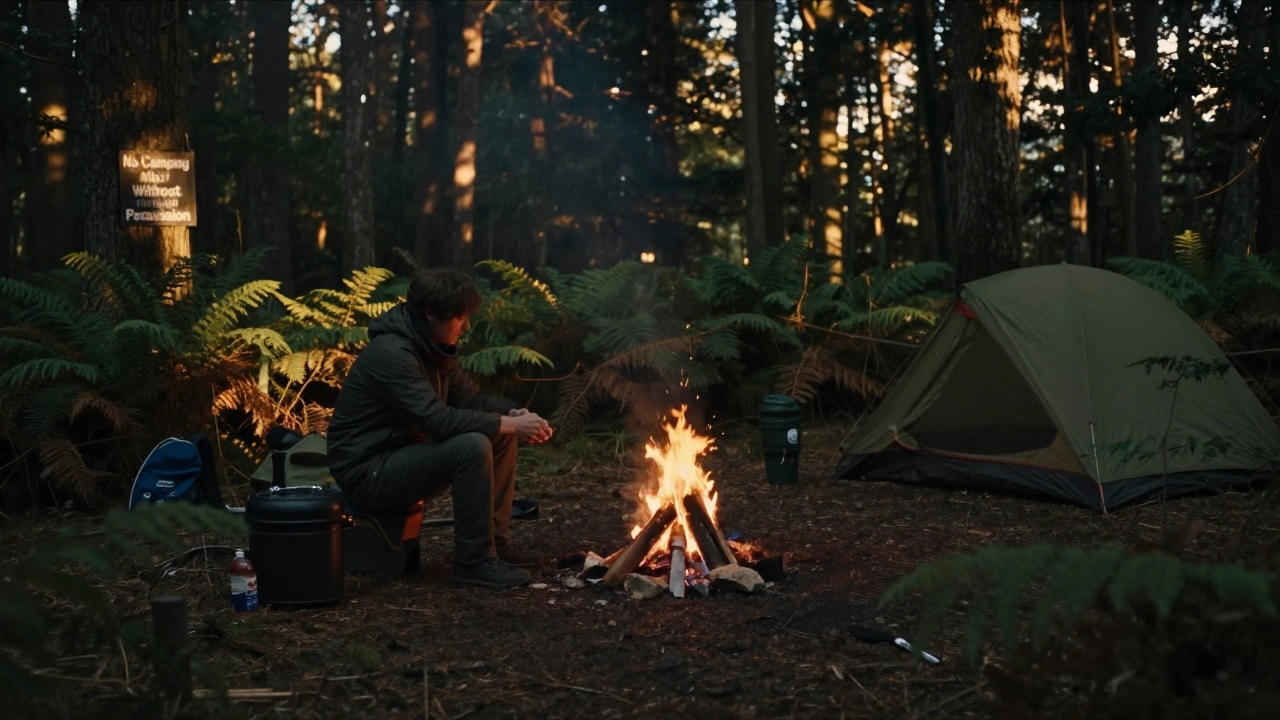
1. **Pack the right gear** – A good sleeping pad, a sturdy tarp, and a reliable stove are essentials. If you’re going primitive, bring a portable water filter and a way to manage waste. 2. **Store food safely** – Wildlife love the smell of snacks. Use bear‑proof containers or hang food at least 10 feet off the ground and 4 feet away from the trunk. 3. **Mind the fire** – Only light a fire in designated rings, keep it small, and fully extinguish it before you go to bed. In many forests, fire bans are enforced during dry periods, so a portable stove can be a safer choice.
4. **Respect the night** – Walking through a forest after dark is thrilling, but bring a headlamp, know the trail, and avoid straying far from your campsite. Listen for wildlife and keep noise low to avoid startling animals. 5. **Avoid common mistakes** – Don’t forget to check the campsite’s rules about alcohol, pets, and trash. Leaving rubbish behind or building a fire in the wrong spot can lead to fines and damage the environment.
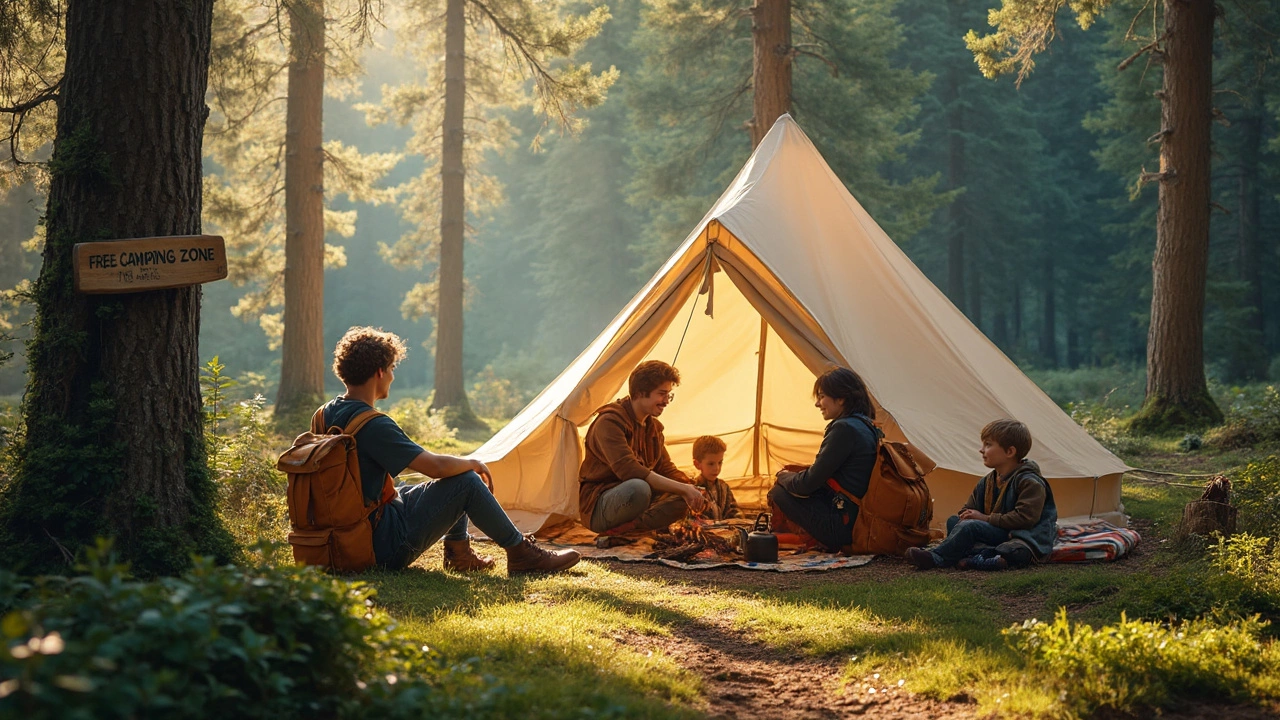
Free camping spots are a big draw, especially in places like Michigan’s state forests or Wisconsin’s public lands. These areas often let you stay for a night or two without paying, but they expect you to be self‑reliant. Know the local regulations, set up away from private property, and always leave the site as you found it.
Whether you’re a first‑timer or a seasoned camper, the key to a great forest experience is preparation and respect for nature. Choose a campsite that matches your comfort level, follow safety basics, and you’ll walk away with stories worth sharing. Happy camping!