UK Wild Camping Legality Checker
Select your destination and camping style to understand your legal standing. Remember: This is a guide, not legal advice.
Make a selection above to see results.
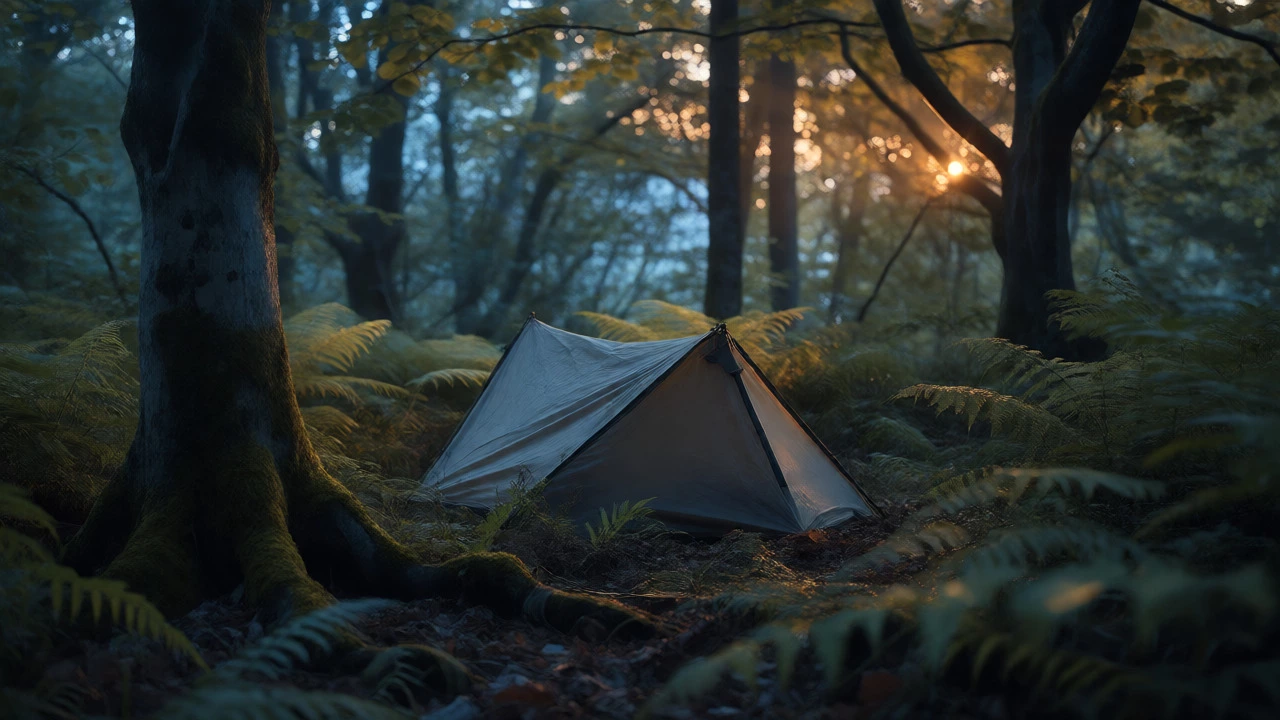
You pitch your tent in a quiet corner of the woods at dusk. No campfire, no noise, just you and the stars. You wake up before dawn, pack everything, and vanish without a trace. It feels harmless, even respectful. Yet, technically, you might be breaking the law. Stealth camping is often misunderstood as a legal loophole for wild camping, but in many parts of the UK, it remains strictly illegal or legally ambiguous. The confusion stems from a mix of outdated property rights, modern land management issues, and a lack of clear national legislation compared to Scotland.
If you are planning a trip, you need to know exactly where you stand. Getting fined isn't just about money; it can mean being escorted off private land by police or losing access to popular spots entirely. This guide breaks down why stealth camping faces legal hurdles, how it differs from traditional wild camping, and what you can actually do to stay on the right side of the law.
The Legal Reality: England, Wales, and Northern Ireland vs. Scotland
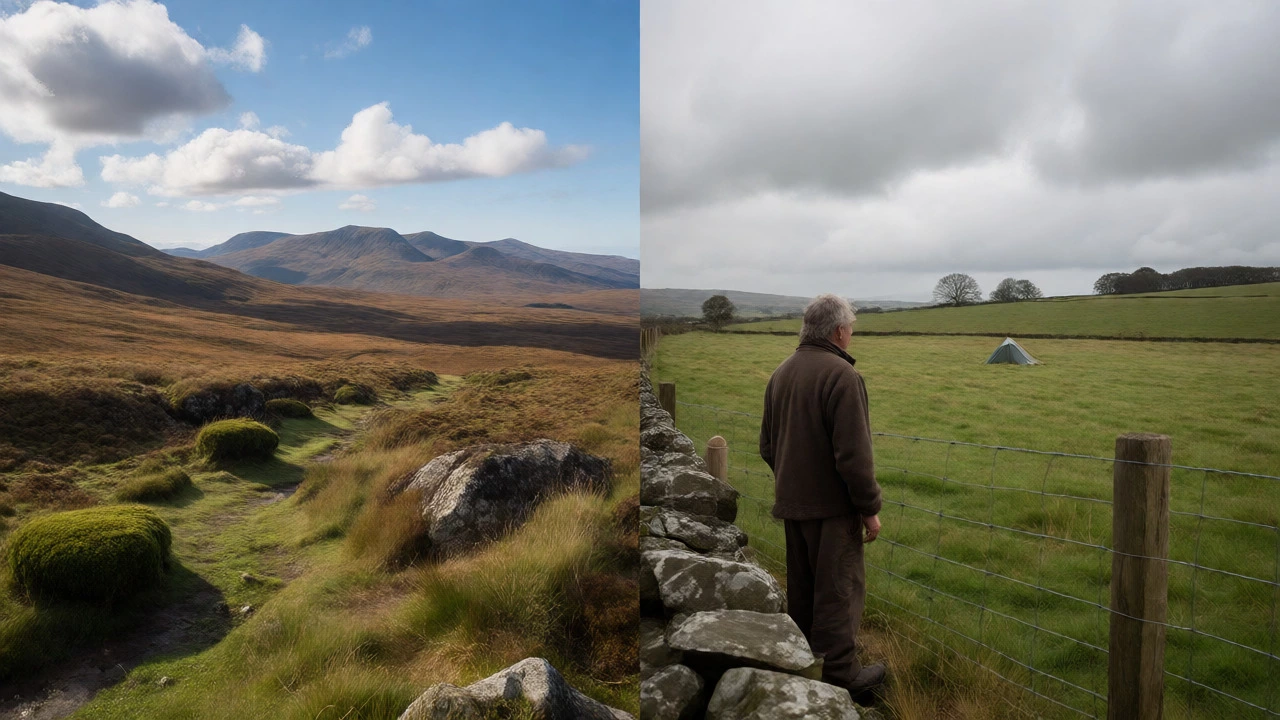
Most people assume that if they are careful, they are allowed to camp anywhere. That is true in Scotland, thanks to the Land Reform (Scotland) Act 2003, which grants a statutory right to roam. But outside Scotland, the picture changes drastically. In England and Wales, there is no general right to camp on private land without permission. Technically, most non-designated land belongs to someone-whether it's a farmer, the National Trust, or the Forestry Commission.
Stealth camping relies on the idea that if you are invisible, you aren't causing harm. Legally, however, trespassing doesn't require damage. Walking across a field is one thing; pitching a tent overnight is another. While enforcement varies wildly, the default legal position is that you are trespassing unless you have explicit permission. This is why "illegal" is a strong word, but "unauthorized" is the more accurate legal term in most English counties.
Why Authorities Crack Down on Stealth Campers
If you leave no trace, why do landowners care? The issue isn't usually the single camper who packs out their trash. It is the cumulative impact of hundreds of people doing the same thing. Land managers argue that while one tent is fine, fifty tents create waste, compact soil, and disturb livestock. When stealth camping becomes trendy, it often leads to increased footfall in sensitive ecological areas.
There is also a safety aspect. If you are hidden deep in the woods with no registration, rescue services cannot find you if something goes wrong. For emergency responders, a missing person who is "somewhere in the forest" is much harder to locate than someone registered at a designated site. Furthermore, local councils sometimes view unauthorized camping as a precursor to larger issues like fly-tipping or anti-social behavior, leading them to enforce stricter rules to prevent escalation.
Key Differences Between Stealth Camping and Wild Camping
People often use these terms interchangeably, but they carry different connotations and legal risks. Understanding the distinction helps you gauge how likely you are to face consequences.
| Feature | Stealth Camping | Traditional Wild Camping |
|---|---|---|
| Visibility | Hidden from view; low profile | Often visible; may use established pitches |
| Duration | Usually 1-2 nights max | Can vary; often longer stays |
| Equipment | Bivvy bags, hammocks, small tarps | Tents, bivvies, larger kits |
| Legal Risk | High if discovered; seen as evasion | Moderate; depends on landowner policy |
| Intent | Avoid detection/fines | Enjoy nature/connect with landscape |
Stealth camping is specifically designed to avoid detection. Traditional wild camping assumes a level of openness-you might tell the farmer, you might park visibly. Because stealth camping hides its presence, some authorities interpret it as an attempt to evade fees or regulations, which can sour relations with locals and landowners.
Where Can You Actually Sleep? Regional Breakdown
Since there is no single rulebook for the whole UK, you need to check local bylaws. Here is a quick snapshot of the current landscape as of 2026:
- Scotland: Generally legal under the Right to Roam, provided you follow the Scottish Outdoor Access Code. Avoid enclosed fields with crops or livestock.
- England & Wales: Mostly requires permission. Exceptions include Dartmoor (where specific rights exist), parts of the Lake District (tolerance zones), and some Forestry England sites that allow free camping in designated areas.
- Northern Ireland: Similar to England, with no general right to roam. Stick to designated campsites or ask permission.
- Isle of Man: Has its own set of regulations, generally stricter than Scotland but more relaxed than some English counties.
Even within these regions, micro-climates of law exist. A council in Cornwall might tolerate discreet camping on coastal paths, while a neighboring district might issue fines immediately. Always check the local authority's website before you go.
How to Minimize Legal Risks and Social Friction
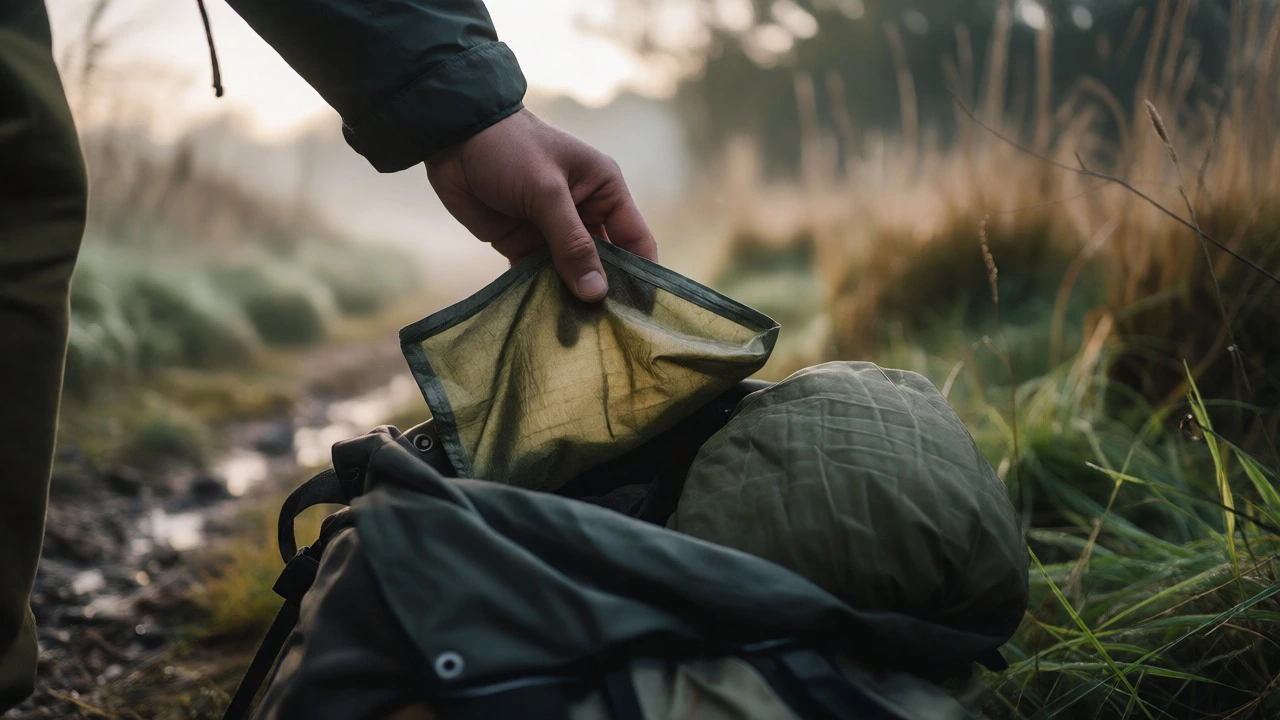
If you want to sleep outdoors without paying for a pitch, you don't necessarily have to break the law. There are ways to navigate the grey areas responsibly.
- Ask Permission: This sounds old-fashioned, but knocking on a farmhouse door works surprisingly well. Many farmers are happy to let you pitch a tent in a corner of a field for £5 or £10, or even for free if you are polite and self-sufficient.
- Use Designated Areas: Organizations like The National Trust and Woodland Trust increasingly offer paid or free camping options. These support conservation efforts and keep you legally safe.
- Follow Leave No Trace: This is non-negotiable. Pack out all rubbish, including biodegradable items like apple cores. Use a portable toilet or dig a cathole properly away from water sources.
- Stay Low Profile: If you are in a tolerant zone, avoid large group setups. One person in a bivvy bag is less likely to draw attention than five people with a tarp city.
The Future of Outdoor Access in the UK
The debate over outdoor access is heating up. Campaign groups are pushing for a Right to Roam act similar to Scotland's to apply across England and Wales. Recent government consultations suggest that while full freedom is unlikely soon, clearer guidelines and more designated wild camping zones are probable. Until then, the safest bet is transparency. Hiding your presence might save you a few pounds, but asking permission builds goodwill that keeps these spaces open for everyone.
Is stealth camping always illegal in England?
Not always, but it is rarely explicitly legal. In most cases, you are trespassing on private land unless you have permission. Some public lands, like certain Forestry England sites, may allow it, but you must check specific site rules. Enforcement varies by region, so "illegal" is a simplification of "unauthorized."
What happens if I get caught stealth camping?
Typically, you will be asked to move on. If you refuse or cause trouble, you could face a fixed penalty notice or a fine for trespassing. In severe cases involving damage or littering, prosecution is possible, though rare for individual campers. Police involvement is uncommon unless there is a dispute with the landowner.
Does leaving no trace make stealth camping legal?
No. Leaving no trace is an ethical practice, not a legal defense. Trespassing laws concern the act of being on the land without permission, regardless of whether you left it cleaner than you found it. However, practicing Leave No Trace reduces the likelihood of complaints and future restrictions.
Can I stealth camp on beaches in the UK?
Beach camping rules vary significantly. Some beaches allow it, others ban it due to environmental protection or high tourist traffic. Tidal times and parking restrictions also play a role. Always check local council signage before setting up on sand.
Is wild camping in Scotland completely free and legal?
Yes, generally speaking, under the Right to Roam. However, you must follow the Scottish Outdoor Access Code, which includes avoiding enclosed fields, staying away from buildings, and minimizing fire risk. Some hotspots now have seasonal bans or charges to manage overcrowding.