Boondocking Resource Estimator
Water Resources
Power Resources
Your Estimated Maximum Trip Duration:
-
The Core Truth About Going Off-Grid
If you've spent any time in an RV park, you know the drill: you plug into a 50-amp pedestal, hook up your water hose, and dump your tanks at a designated station. Boondocking throws all of that out the window. When you go off-grid, you are 100% responsible for your own survival and comfort. This means your battery bank becomes your lifeline, your fresh water tank is your only source of hydration, and your waste tanks are a ticking clock.
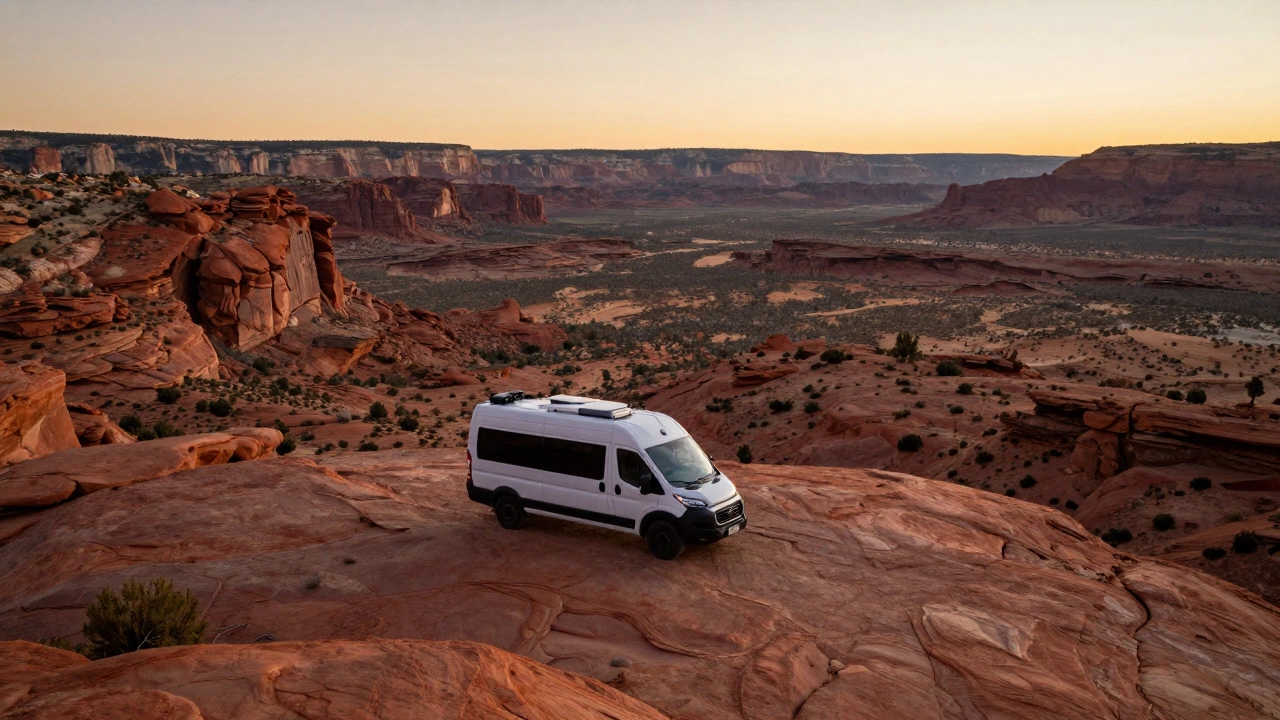
Why on earth would anyone choose this? Because the best views aren't usually found next to a paved parking lot. Whether you're looking for a secluded stretch of beach or a high-desert mesa, boondocking lets you park where the crowds aren't. It transforms your vehicle from a mobile hotel room into a true basecamp for exploration.
Key Takeaways for the Uninitiated
- No Hookups: No shore power, no city water, no sewer.
- Self-Sufficiency: You rely on batteries, solar, and onboard tanks.
- Location: Usually takes place on public lands or designated remote areas.
- Mindset: It's more about the journey and the silence than the amenities.
Where Can You Actually Do This?
You can't just pull over on the side of a random highway and call it boondocking. That's just illegal parking. To do this right, you need to know where you're allowed to be. In the United States, BLM Land (Bureau of Land Management) is the gold standard. These are public lands where, in many cases, you can camp for free for up to 14 days. It's the wild west of camping, provided you follow the rules.
Then you have National Forests, which offer similar opportunities. These areas are often more lush and provide better shade, which is a godsend when you're trying to keep your RV from becoming an oven in July. However, always check for "dispersed camping" signs. Dispersed camping is the specific legal term for camping outside of a developed campground.
| Feature | RV Park / Resort | Boondocking (Off-Grid) | Dry Camping (Paid) |
|---|---|---|---|
| Electricity | Full Hookup | Battery/Solar | None/Limited |
| Water Access | City Water | Onboard Tank | Onboard Tank |
| Cost | High ($$$) | Free (Usually) | Low ($) |
| Privacy | Low (Close Neighbors) | High (Remote) | Medium |
Mastering Your Power Supply
Power is the first thing that fails when you're boondocking. If you're relying on a standard lead-acid battery, you'll find that running a microwave or a hairdryer for ten minutes can leave you in the dark. To survive longer, most off-gridders move toward Lithium LiFePO4 Batteries. These are more expensive upfront but allow you to use a much higher percentage of the battery's capacity without damaging it.
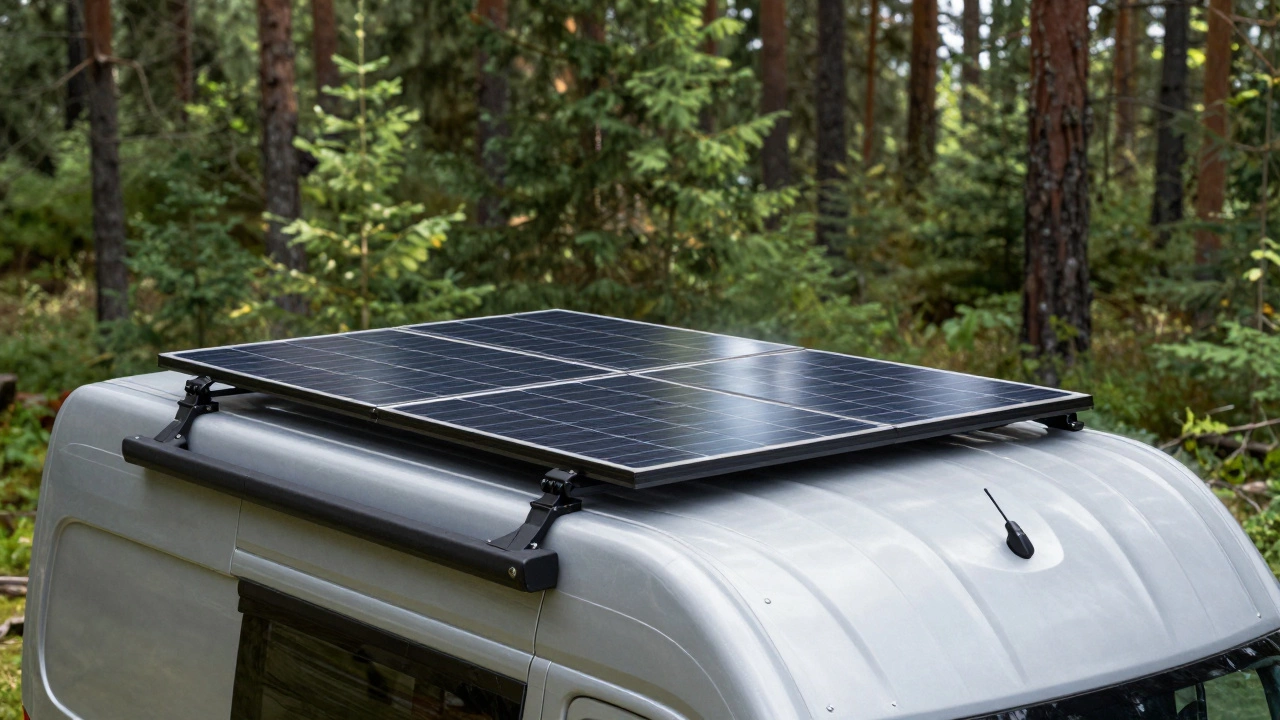
To keep those batteries topped up, Solar Panels are the most popular choice. A 200-watt array on the roof of your rig can keep your lights on and your fridge running, provided the sun is actually shining. If you're in a cloudy region or need a massive burst of power, a portable Inverter Generator is the backup plan. Just be mindful of the noise; the whole point of boondocking is the silence, and your neighbor with a loud generator is the fastest way to ruin that vibe.
The Water and Waste Equation
Water is your most precious resource. In a traditional campsite, you don't think about it. In the wild, every gallon counts. You'll need to master the art of the "navy shower"-turning the water on to get wet, turning it off to lather, and turning it back on to rinse. If you're planning a long trip, carrying extra potable water in jerry cans is a smart move.
Then there's the "dirty" side of things. Your gray water tank (sink and shower) and your black water tank (toilet) have limited capacities. Once they're full, you're done. You can't just dump them on the ground; that's illegal and destroys the environment. You'll need to plan your trips around "dump stations," which are often found at gas stations or truck stops on your way back to civilization.
The Golden Rules of the Wild
Boondocking is a privilege, and the only way to keep it legal is by practicing Leave No Trace principles. This isn't just some hippie suggestion; it's the law of the land. If people start leaving trash or digging holes where they shouldn't, the BLM or National Forest service will simply close the area to the public.
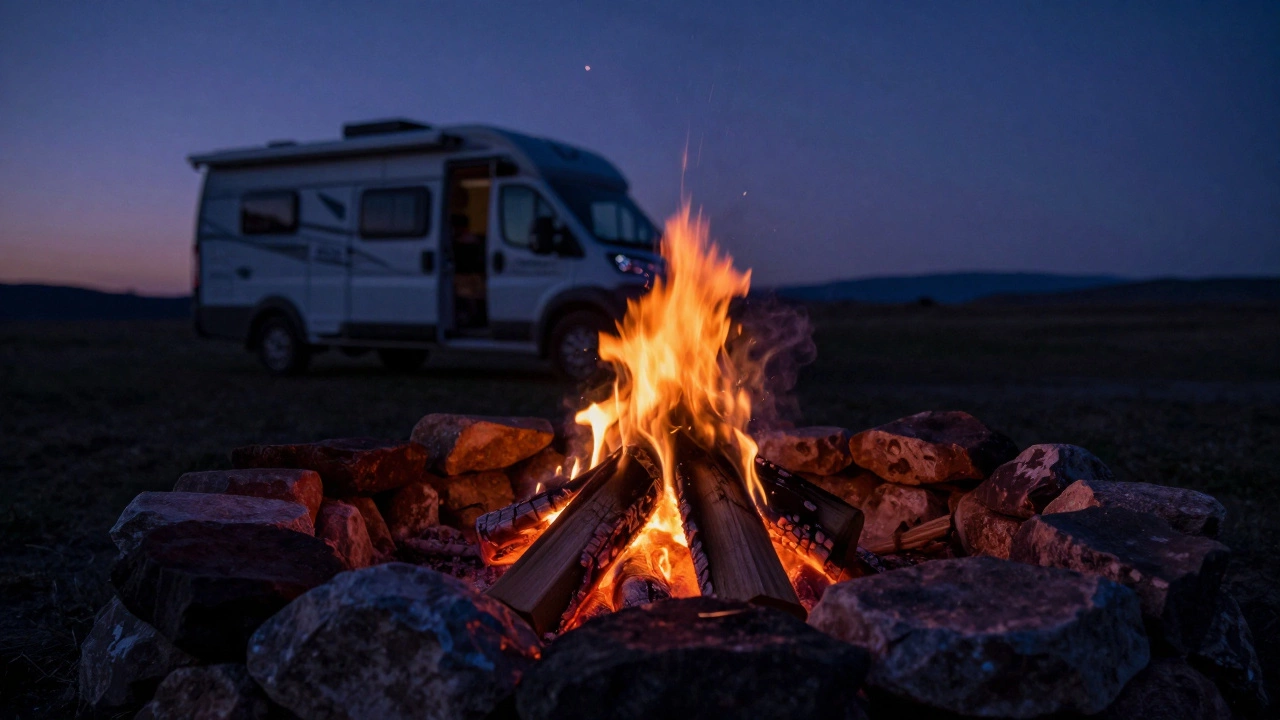
Pack out everything you pack in. If you have a campfire, make sure it's in a designated ring and completely extinguished before you leave. A single stray ember in a dry forest can start a wildfire that destroys thousands of acres. Respect the wildlife, keep your dogs leashed, and don't be the person who leaves a bag of charcoal by the side of the road.
Is Boondocking Right for You?
Not everyone is cut out for the off-grid life. If you can't imagine a day without a high-pressure hot shower or a 4K streaming movie, you might find boondocking frustrating. However, if you're willing to trade some convenience for a million-dollar view, it's a game-changer. It forces you to slow down, be mindful of your resources, and actually engage with the environment.
For beginners, I suggest a "hybrid" approach. Spend two nights at a full-service resort to get your bearings, then venture out for one night of boondocking. See how your batteries hold up and how you feel about the lack of a sewer connection. Once you get the hang of managing your tanks and power, you'll find yourself spending less and less time in those crowded RV parks.
Is boondocking legal everywhere?
No, absolutely not. Boondocking is generally legal on specific public lands like BLM and National Forest areas, but it is strictly prohibited in most State Parks, National Parks (unless in designated areas), and on private property without permission. Always check the local regulations for the specific county or region you are visiting to avoid heavy fines.
How long can I boondock before I need a dump station?
This depends entirely on the size of your tanks and your water usage. A typical mid-sized RV might have a 40-gallon gray tank. If you use 5 gallons a day for dishes and a quick wash, you could last 8 days. However, the black tank usually fills up faster depending on how many people are in the rig. Most boondockers plan for a 3-to-7 day window before they need to find a disposal site.
What is the difference between boondocking and dry camping?
In the RV community, these terms are often used interchangeably. However, strictly speaking, "dry camping" can sometimes refer to staying at a commercial campground that doesn't provide hookups (you pay for the spot, but no plug), whereas "boondocking" usually implies staying in a remote, non-commercial area for free.
Do I need a 4x4 vehicle to boondock?
Not necessarily, but it helps. Many boondocking spots are accessible via gravel or dirt roads. If you have a heavy Class A motorhome, you'll be limited to more established forest roads. If you have a 4x4 truck camper or a small van, you can get much deeper into the wilderness. The key is knowing your vehicle's clearance and the condition of the road.
How do I find boondocking locations?
Most people use specialized apps like Campendium, iOverlander, or The Dyrt. These apps rely on community feedback to let you know if a spot is actually accessible, if it's truly free, and if there are any hidden dangers like soft sand or steep drops. You can also use Google Maps in satellite view to look for clearings near forest roads.
Next Steps for Your First Trip
If you're ready to try this out, start by auditing your gear. Check your battery health and make sure your water pump is working perfectly. Don't head straight into the deep wilderness for your first time; find a spot that's within 30 minutes of a paved road. This gives you a safety net if you realize you've forgotten something critical or if your power system fails faster than expected. Once you've nailed the "easy" spots, you can start pushing further into the wild.