Glamping vs. Camping Matchmaker
Answer these 5 questions to see which style of outdoor holiday fits your personality best.
Your Outdoor Personality Type
You’ve probably heard the term glamping thrown around on social media or seen in travel magazines. But what actually is it? Is it just a fancy word for a tent with a mattress? Not quite. Glamping is short for "glamorous camping," and it represents a specific niche in the tourism industry where you get the immersion of nature without the discomforts traditionally associated with sleeping outdoors. Think high-thread-count sheets instead of a thin foam pad, real furniture instead of plastic stools, and often, private hot tubs instead of communal cold showers.
If you’re wondering whether this trend is worth your money, you’re asking the right question. Traditional camping appeals to those who want to disconnect and rough it. Glamping appeals to those who want to reconnect with nature but refuse to compromise on comfort. It’s not for everyone, and that’s fine. But understanding the distinction helps you choose the right holiday for your needs.
The Core Difference Between Camping and Glamping
The fundamental difference lies in the equipment and the service level. In traditional camping, you bring your own gear or rent basic kit. You set up the tent, you manage the fire, and you deal with the weather directly. If it rains, your floor might get wet. If it’s cold, you bundle up in layers.
In glamping, the accommodation is pre-set. You don’t pitch a tent; you walk into a structure that is already furnished, heated, and cleaned. This category includes various structures, from yurts and safari tents to domes and shepherd’s huts. The key attribute here is "turnkey." You arrive, unpack your suitcase, and relax. There is no assembly required.
| Feature | Traditional Camping | Glamping |
|---|---|---|
| Setup Effort | High (pitching, organizing) | None (pre-installed) |
| Sleeping Arrangement | Sleeping bag on ground pad | Real bed with linens |
| Sanitation | Shared block facilities | Private en-suite or pod |
| Cooking | Camp stove or open fire | Kitchenette or catering service |
| Cost Per Night | £10-£30 | £150-£500+ |
Types of Glamping Accommodations
Not all luxury campsites look the same. The market has evolved to offer distinct types of lodging, each with its own vibe and price point. Knowing these categories helps you pick the right experience.
Yurts are circular, semi-permanent structures originally used by nomads in Central Asia. Modern glamping yurts are insulated, have wooden floors, and often include wood-burning stoves. They feel rustic but cozy. If you like the idea of being close to the earth but hate sleeping on dirt, this is a solid middle ground.
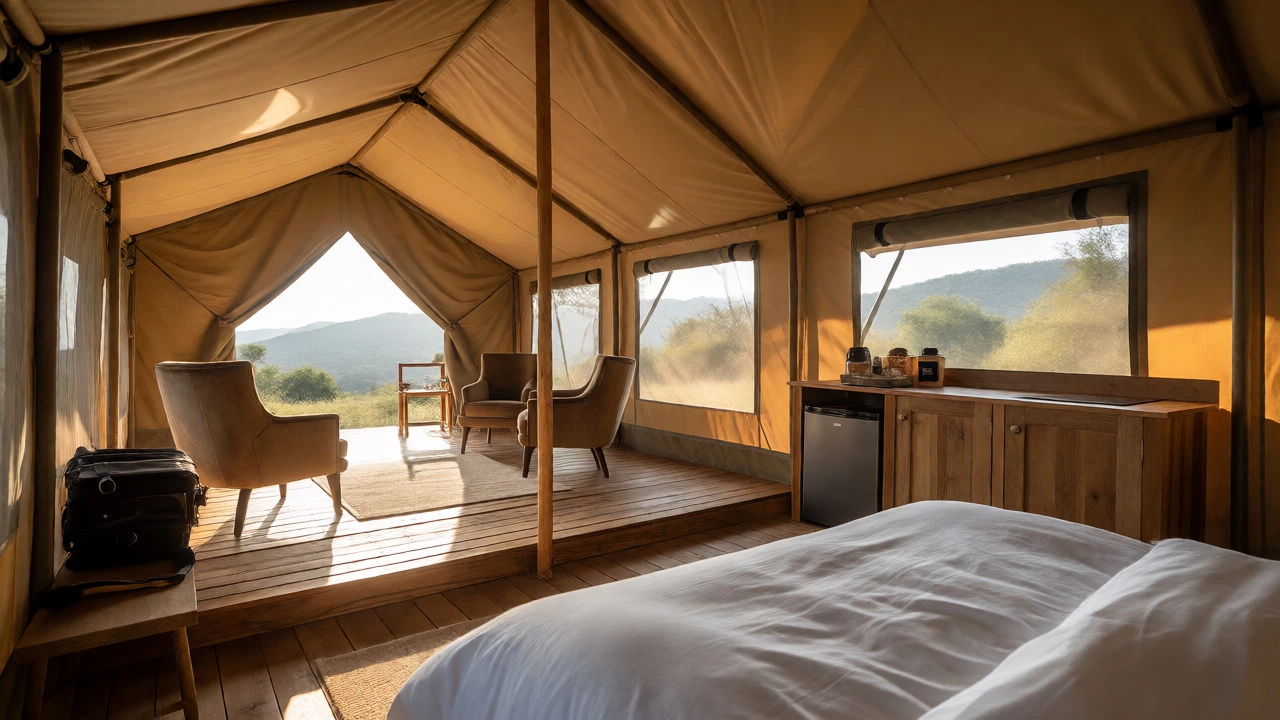
Safari Tents are large canvas structures, often raised on platforms. They can be massive, sometimes over 40 square meters, and may include separate bedrooms and living areas. These are popular in places like South Africa or high-end UK estates because they offer hotel-like space within a natural setting.
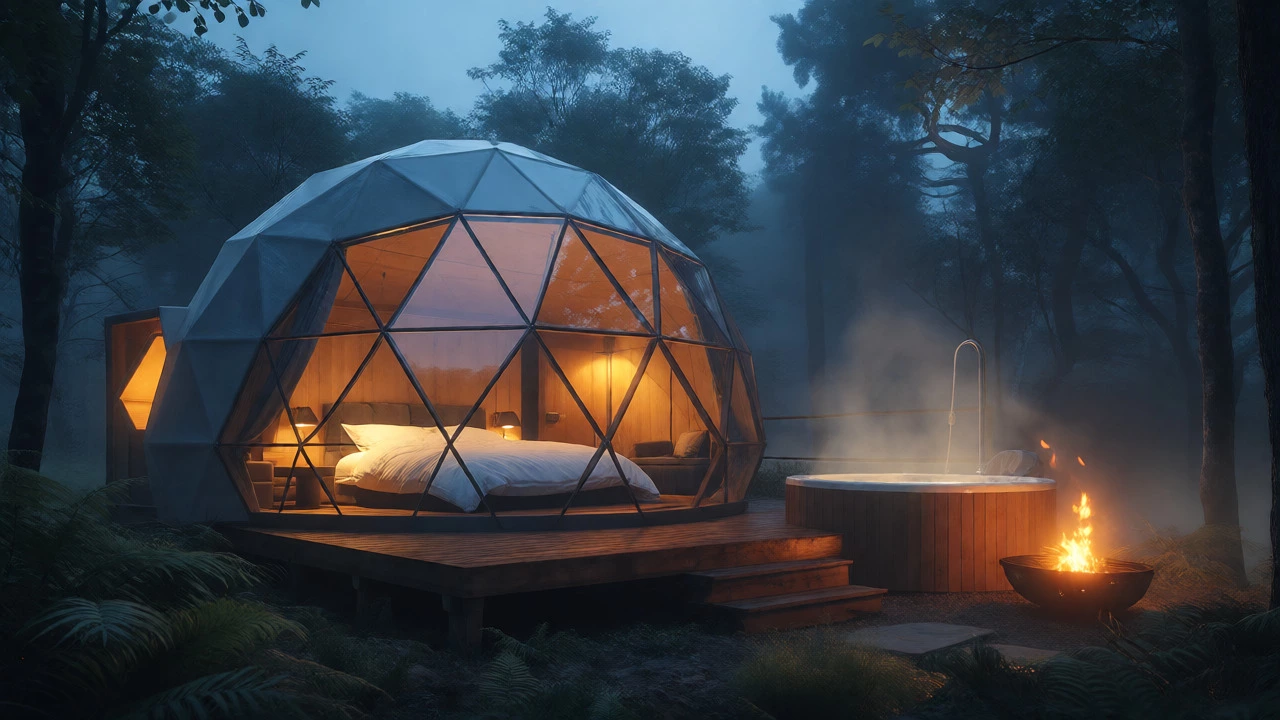
Geodesic Domes are architectural marvels made of triangular panels. They provide panoramic views of the sky, which is perfect for stargazing. Because of their shape, they are wind-resistant and can be placed in exposed locations where a standard tent would struggle.
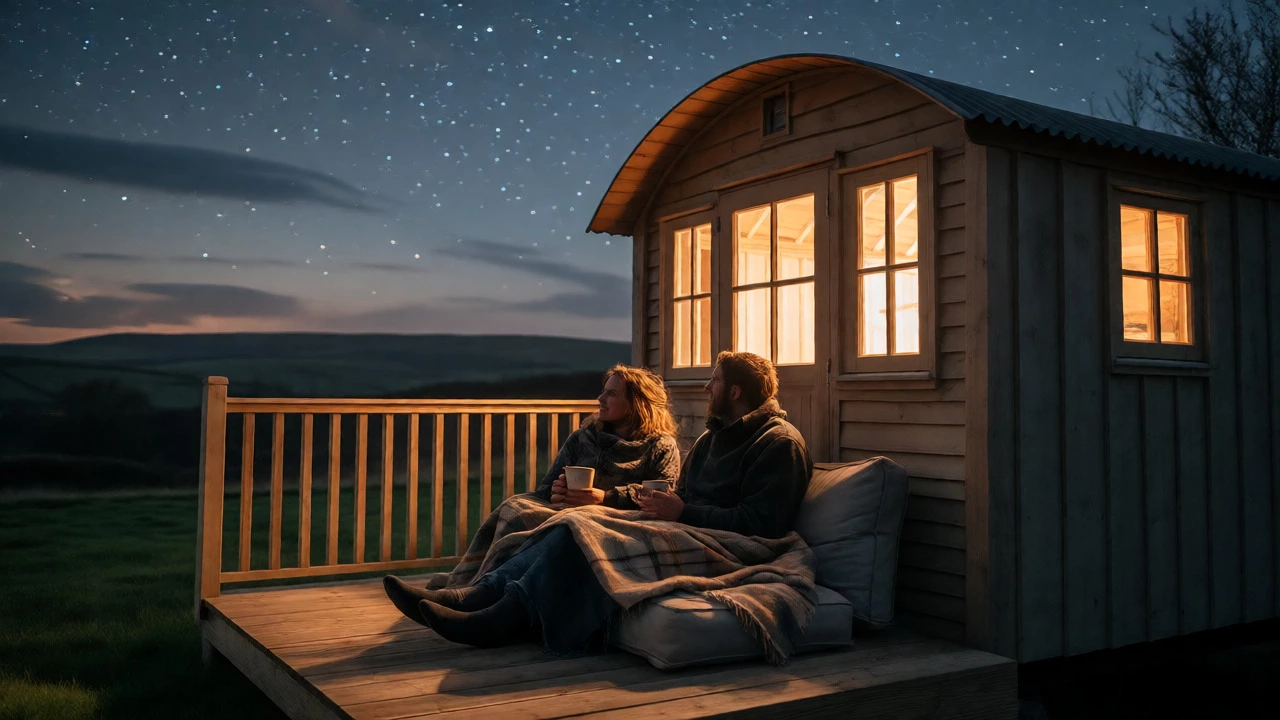
Shepherd’s Huts are traditional British farm buildings converted into luxury pods. They usually feature curved roofs, small windows, and compact interiors. They appeal to those who want a historical aesthetic with modern plumbing and electricity.
Amenities That Define Luxury Camping
What makes a site "luxury" isn’t just the building; it’s the amenities. When evaluating a glamping site, look for specific features that bridge the gap between a campsite and a boutique hotel.
- Private Bathrooms: A dedicated shower and toilet attached to your unit. No walking to a block at midnight.
- Heating: Underfloor heating or efficient wood burners are common. In Ireland or the UK, this is non-negotiable for year-round glamping.
- Outdoor Living Spaces: Decks with fire pits, hammocks, or hot tubs. The focus is on extending your living area outside.
- Catering Options: Many sites offer breakfast baskets delivered to your door or partner with local chefs for dinner experiences.
- Wi-Fi: While some purists ban Wi-Fi, many luxury sites offer reliable internet so you can work remotely if needed.
Why Choose Glamping Over a Hotel?
You might ask, why pay hotel prices for a tent? The answer is location and connection. Hotels are often in towns or cities. Glamping sites are frequently located in remote, scenic areas-clifftops, deep forests, or isolated beaches-that aren’t zoned for large concrete hotels. You get proximity to nature that a five-star resort simply cannot offer.
Additionally, the sense of community differs. Campsites, even luxury ones, tend to attract people who appreciate the outdoors. Conversations happen more naturally around shared fire pits than in sterile hotel lobbies. For families, it’s a way to introduce children to wildlife and stars without them crying about bugs or lack of toilets.
Potential Pitfalls to Watch Out For
It’s not all sunshine and champagne. Glamping comes with challenges. First, the price tag is significant. A weekend for two can cost as much as a week in a budget hotel. Second, availability is tight. Popular sites book out months in advance, especially during summer weekends.
Weather remains a factor. While the units are insulated, you are still outside. If a storm hits, you’ll hear the rain louder than in a brick building. Some people find this soothing; others find it stressful. Also, check the distance to the nearest town. If you need groceries or a pharmacy, a 20-minute drive might be inconvenient if you didn’t plan ahead.
How to Pick Your First Glamping Site
If you’re new to this, start with a site that offers clear information on amenities. Don’t assume every "luxury" label means the same thing. One site’s luxury might be another’s basic.
- Check Reviews for Specifics: Look for comments about cleanliness, heating efficiency, and noise levels.
- Verify Bathroom Setup: Confirm if the bathroom is inside the unit or in a separate nearby pod. This matters in bad weather.
- Look at Photos of Interiors: Ensure the bedding looks comfortable and the lighting is adequate for reading.
- Read the Cancellation Policy: Weather cancellations are rare in glamping contracts, but understand your risk.
- Consider Accessibility: If you have mobility issues, check if the unit is on a platform with stairs or accessible via a ramp.
Frequently Asked Questions
Is glamping suitable for winter?
Yes, provided the site explicitly states it is open year-round and the unit is properly insulated. Look for features like double-glazed windows, underfloor heating, or wood-burning stoves. Avoid canvas-only tents unless they are specifically rated for winter use.
Do I need to bring my own towels and linen?
In most true glamping scenarios, no. Linen, towels, and sometimes even bathrobes are included, similar to a hotel stay. However, always check the specific listing description, as some lower-tier "glamping" sites might require you to bring your own basics.
Can I cook my own food in a glamping unit?
Many units come with a kitchenette featuring a fridge, microwave, and induction hob. Some have full kitchens. Others rely on outdoor BBQs or campfires. If cooking is important to you, verify the kitchen facilities before booking.
Are pets allowed in glamping sites?
Policies vary widely. Some sites are pet-friendly and even offer beds and bowls for dogs. Others strictly prohibit animals to maintain hygiene standards in high-end furnishings. Always confirm the pet policy in writing before booking.
Is there electricity and running water?
Most established glamping sites have mains electricity and running hot water. Off-grid options exist, using solar power and rainwater harvesting, but these are less common in the "luxury" tier. Check the amenity list to ensure it meets your expectations.