Free Camping Duration Checker
Can you just pull over and park your motorhome anywhere in the USA? It sounds like the dream-no reservations, no fees, just open road and a quiet spot under the stars. But the truth is more complicated. The answer isn’t yes or no. It’s sometimes, depending on where you are, what kind of vehicle you have, and how you behave.
Not All Land Is Created Equal
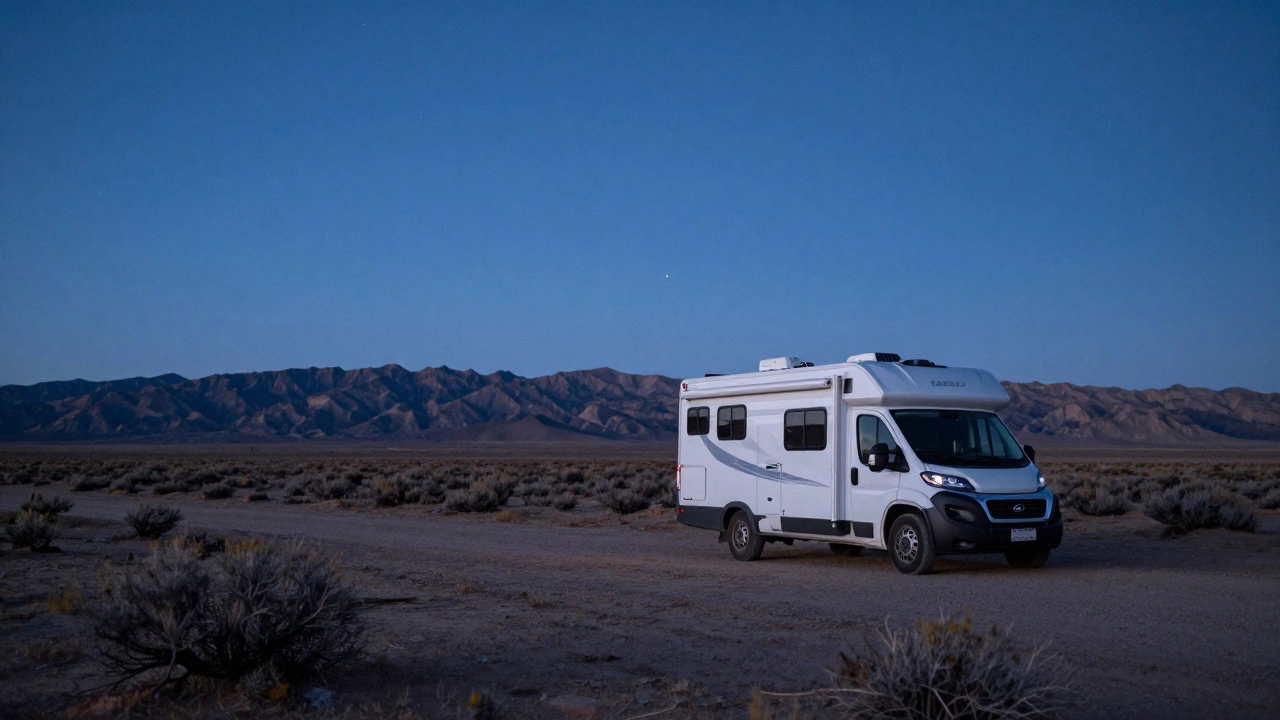
The USA has millions of square miles, but that doesn’t mean you can camp on any patch of dirt. Public land isn’t the same as public access. Federal land, state parks, county roads, city streets, and private property all have different rules. You can’t treat them the same.The Bureau of Land Management (BLM) manages over 245 million acres across 10 western states. That’s more than all the national parks combined. On BLM land, you can usually park overnight for free if you follow the 14-day rule: stay no longer than 14 days in one spot, then move at least 25 miles away. This applies to dispersed camping-no hookups, no trash cans, no signs. You bring everything you need.
But here’s the catch: not every BLM area allows it. Some zones are closed to protect wildlife, cultural sites, or because of fire risk. Always check the local BLM office website before you go. A map labeled "dispersed camping" doesn’t mean it’s open everywhere.
National Forests: Your Best Friend
National Forests are often the most forgiving places for motorhome parking. The USDA Forest Service allows overnight parking in most areas without a permit. You can find spots near trails, lakes, or quiet pull-offs. Many people use these areas as base camps for hiking or fishing.Unlike BLM land, there’s no hard 14-day limit everywhere in National Forests. Some ranger districts allow up to 30 days, while others require you to move every 7 days. Again, rules vary by forest. The White Mountain National Forest in New Hampshire allows 14 days. The Angeles National Forest in California allows 14 days too. But in the Uinta-Wasatch-Cache National Forest in Utah, you can stay 30 days in one spot.
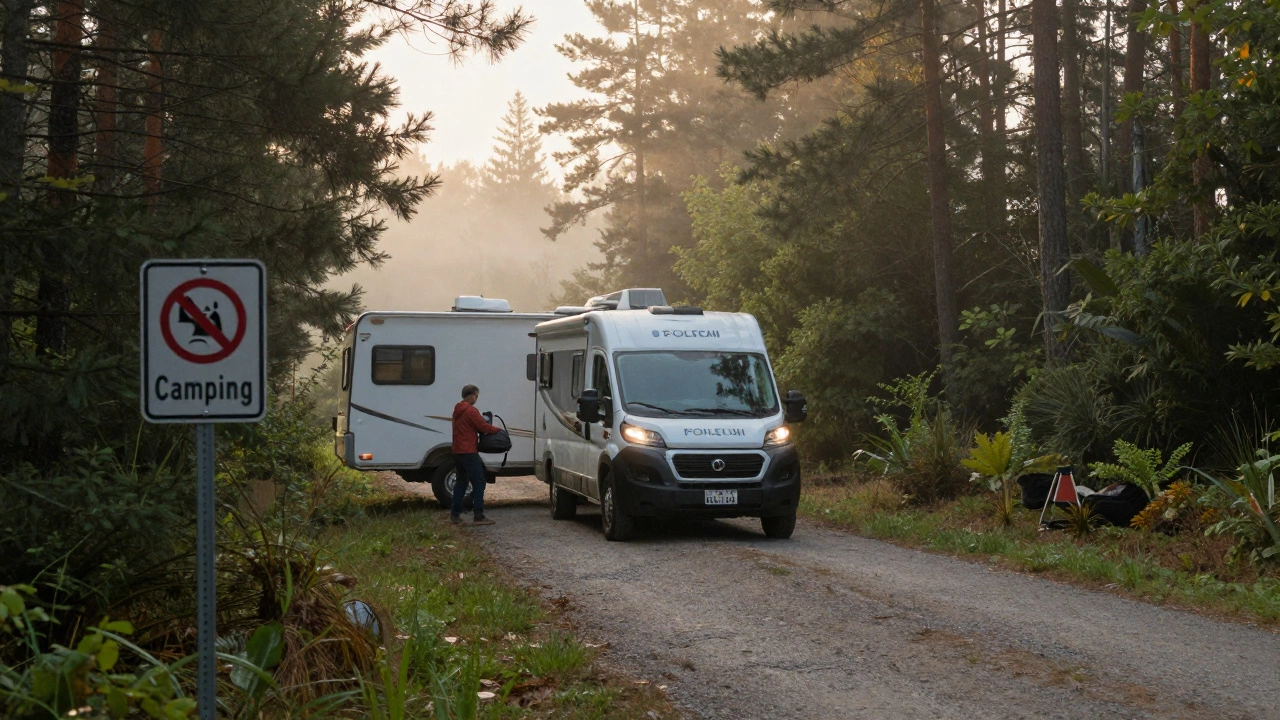
Always look for signs. If there’s a sign that says "No Camping," don’t ignore it. Rangers do patrol. Fines for illegal camping can range from $100 to $500, depending on the state and situation.
Walmart and Private Parking: A Van Life Staple
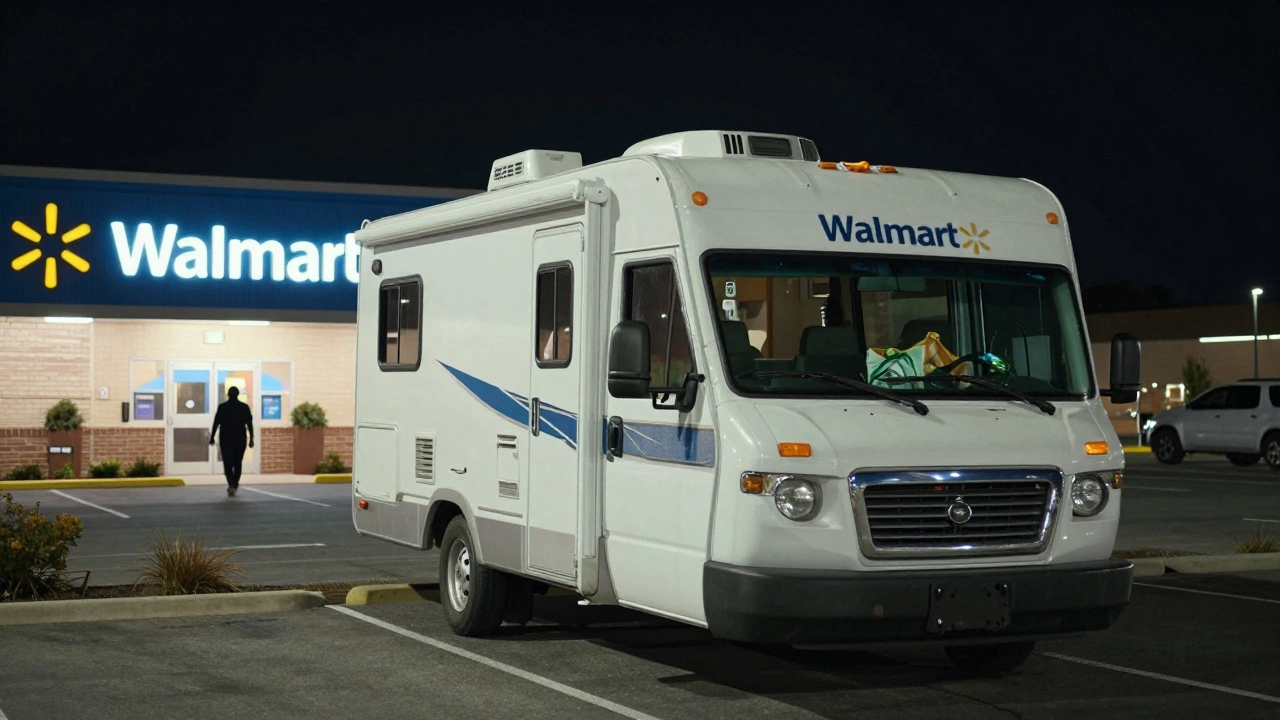
Walmart stores have become unofficial overnight parking hubs for motorhome travelers. The company doesn’t have a national policy, but most locations allow it-unless a store manager says otherwise. It’s a courtesy, not a right.Here’s how to do it right:
- Choose a store with plenty of space-usually those on the edge of town or near highways.
- Don’t set up chairs, awnings, or extension cords.
- Keep your noise low. No generators running after 10 p.m.
- Don’t stay more than 24 hours unless you ask permission.
- Buy something. A soda, a snack, a pack of gum. It shows respect.
Apps like iOverlander and FreeCampsites.net track which Walmarts are welcoming and which have banned RVs. In 2025, over 80% of Walmart locations in the lower 48 states still allowed overnight parking. But that number is dropping slowly as some cities pass ordinances restricting parking on private property.
Rest Stops and Highway Pull-Offs: Risky Business
Many states allow short-term parking at rest areas-usually 2 to 4 hours. Overnight stays are often prohibited. Some states like California, Oregon, and Washington allow overnight parking at select rest stops. Others, like Florida and Texas, ban it entirely.Why the difference? It’s about safety and local politics. States with large homeless populations or high crime rates tend to lock down rest areas. States with strong tourism economies are more lenient.
If you’re caught sleeping in a rest stop where it’s banned, you’ll likely be asked to leave. If you refuse, you could be cited for trespassing. In 2024, over 3,200 RV owners were cited for overnight parking at rest areas nationwide.
City Limits and Residential Streets
Parking your motorhome on a residential street sounds easy-until you get a ticket. Many cities have ordinances that ban overnight parking of vehicles over a certain size. In Los Angeles, for example, vehicles longer than 22 feet can’t be parked on residential streets overnight. In New York City, it’s illegal to park an RV on public streets for more than 3 hours.Even if a city doesn’t have a specific rule, zoning laws often classify motorhomes as "commercial vehicles," which can’t be parked in residential zones. Some neighborhoods have HOAs that ban RVs entirely.
There’s a reason van lifers avoid cities like Phoenix, Atlanta, and Chicago. Enforcement is strict. And when you get towed, the fees can hit $300 or more.
State-by-State Wildcard Rules
Some states are RV-friendly. Others are not.- Arizona: Allows overnight parking on state land and many county roads. No permit needed. Popular with snowbirds.
- Colorado: Free camping on BLM and National Forest land. But some counties ban overnight parking on public roads.
- Florida: No free dispersed camping. Most public land requires a permit or fee. Rest areas ban overnight stays.
- Maine: Allows overnight parking on state forests and some roadside pull-offs. But winter weather makes it risky.
- California: Strict rules. Many beaches and state parks ban overnight parking. BLM areas allow it, but enforcement is increasing.
Always check the state’s Department of Transportation website. Look for "RV regulations" or "overnight parking rules." Don’t rely on old forum posts. Laws change.
What Happens If You Get Caught?
Most of the time, you’ll get a polite request to leave. But if you’re in a no-tolerance zone, you could face:- A citation ($50-$500)
- A tow ($200-$600)
- Storage fees ($25-$50 per day)
- Repeated violations leading to a ban from public lands
Some people get lucky. Others lose their vehicle. It’s not worth the risk.
Smart Alternatives
If you want to avoid trouble, use the tools that exist:- iOverlander: Crowdsourced map of legal free and low-cost spots.
- Campendium: Shows reviews, fees, and amenities for thousands of sites.
- Boondockers Welcome: Private landowners let you park on their property for a small fee or donation.
- Harbor Freight or Costco parking: Some big-box stores allow overnight stays if you ask.
These aren’t perfect, but they’re safer than guessing.
Respect the Land
The biggest rule isn’t written anywhere: Leave no trace. Pack out your trash. Don’t dump gray water on the ground. Don’t cut down trees for firewood. Don’t block trails or drive off-road.When you disrespect the land, communities respond by banning RVs entirely. In 2023, 17 towns in Colorado and Utah passed laws restricting overnight parking after complaints from residents. The message was clear: if you can’t behave, you’re not welcome.
Motorhome freedom isn’t about where you can go. It’s about how you act when you get there. Stay quiet. Stay clean. Stay respectful. And you’ll keep the doors open-for you and everyone else.